Tall Red,
Deep Green
高红省绿
[work in progress]
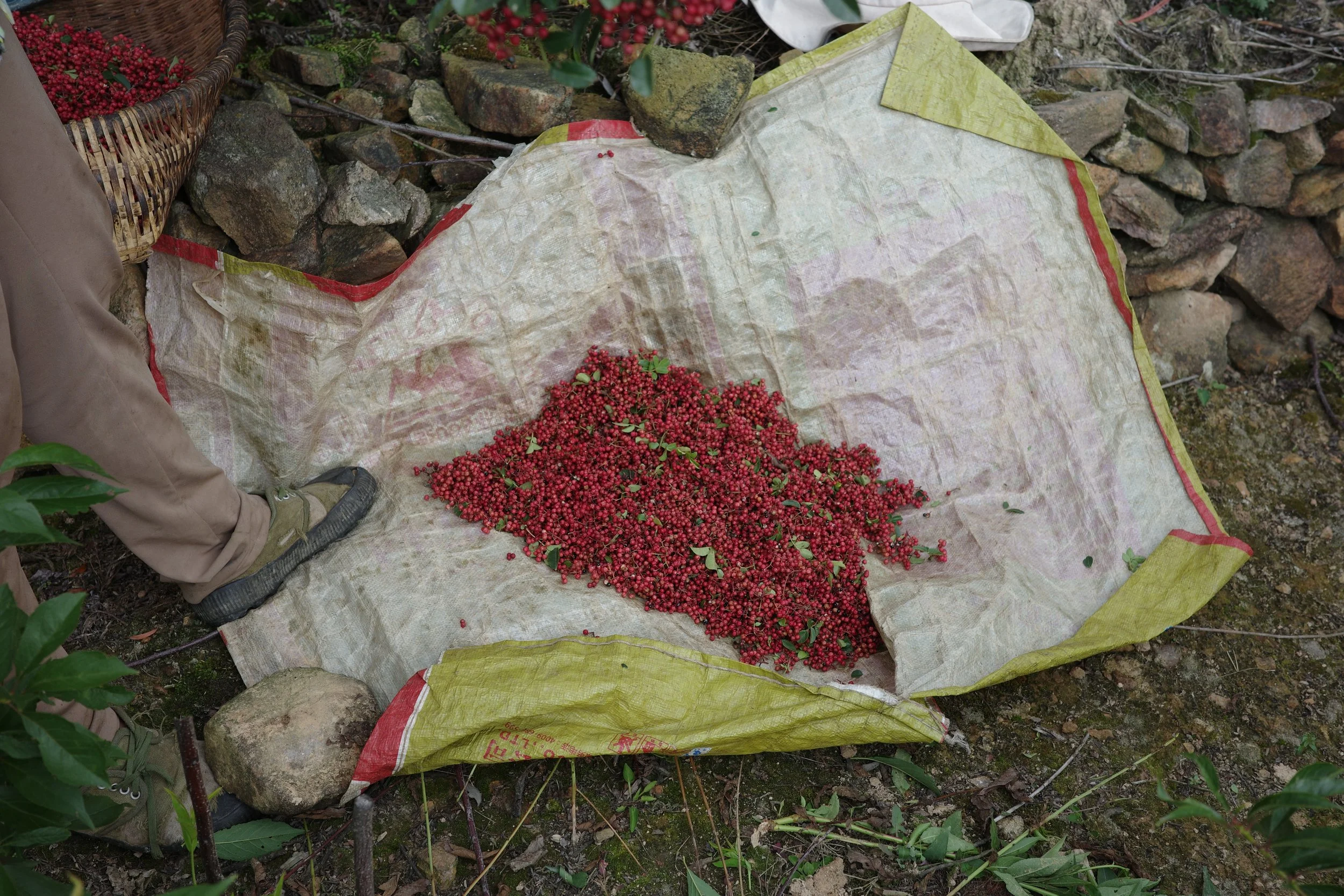
Tall Red, Deep Green 高红省绿 is a research project and film by 田果欣[Tian Guoxin], Pablo Giménez Arteaga and Hannah O’Flynn investigating the production and trade of Sichuan pepper. To date the film is a work in progress, the research and documentation in Hanyuan, Hongya and Jinyang having been developed during the period of their residency at the A4 Residency Centre (Chengdu, China) in 2025. This project explores the dynamics sustaining and complicating the production of this spice: the power structures shaping its production and trade, the consequences of climate change, the everyday realities of agricultural work, the complex economic interests behind it, the transformations brought by new infrastructure, the subsistence of farmers and workers, modernisation projects and ideas of progress, the growing use of pesticides, as well as the migration of young populations to cities.
Audio piece by Pablo Giménez Arteaga
Memories of Taste 忆香 is an experimental documentary film exploring the manual cultivation and harvesting of Sichuan pepper. Through the hot summer of 2025, 田果欣[Tian Guoxin] , Hannah O’Flynn and Pablo Giménez Arteaga travelled through 田果欣 [Tian Guoxin]’s home province of Sichuan to the farmlands of 汉源 [Hanyuan], 洪雅 [Hongya] and 金阳 [Jinyang] to gain insight into the production of 红花椒 [red Sichuan pepper], 藤椒 [a green Sichuan pepper variant used to infuse oil] and 青花椒 [green Sichuan pepper], respectively.
This research grew out of a deep love for the spice and a subsequent desire to understand how its rapid global popularisation was affecting longstanding practices of cultivation and production in the mountains of Sichuan. But the investigation soon began to unfold like a thriller: each new interview revealed another layer in the complex reality surrounding the spice and its market.
What emerged was a landscape of contradictions. Large-scale government agricultural projects came up against the realities of small-scale farming, while local political tensions remained difficult to read from the outside. Traditional crops were being replaced by newer “gentrified” ones, often made popular through internet culture, which are more lucrative, but also more climate-sensitive. Products promoted through geographical designation of origin could simultaneously be forged, devalued by the circulation of lower-quality substitutes, and eventually abandoned by local farmers as prices collapsed.
Government large scale Infrastructural plans brought roads, market access and new economic possibilities to previously isolated areas, but also facilitated the spread of pesticides — affecting the quality of the products but easing the labour of the farmers while exposing them to possible future health problems. These new high speed roads also supported the abandonment of Sichuan pepper production for more lucrative, internet-famous fruits, which can now reach the cities much faster. Globalisation is reshaping not only markets but taste itself, and with it local identities. Through our encounters in rural Sichuan, we began to see how distant regulatory systems such as EU food-safety standards were reshaping agricultural practices while introducing new pressures and frictions into local governance and political relations between different ethnic groups.
Running through these encounters was a more fundamental question of labour: what happens under contemporary capitalism to crops whose cultivation remains highly dependent on manual work but whose productivity cannot compete with more scalable alternatives? This question became inseparable from a broader transformation of the countryside: younger generations leaving for cities, and farmers shifting away from crops historically embedded in particular territories and cultural traditions towards newly introduced crops offering greater and more reliable economic returns. With this shift, generations of knowledge tied to the cultivation, harvesting and processing of particular crops risk disappearing, along with products whose distinctive quality depends precisely on practices that are difficult to accelerate or scale up. Yet this loss cannot be separated from the legitimate desire of farmers and their families for greater economic security, less arduous labour and better possibilities for their own lives. The question, then, is not simply how such crops and traditions might be preserved, but how their continued cultivation can be made economically and socially sustainable for the people whose labour it depends on.
Hanyuan
汉源
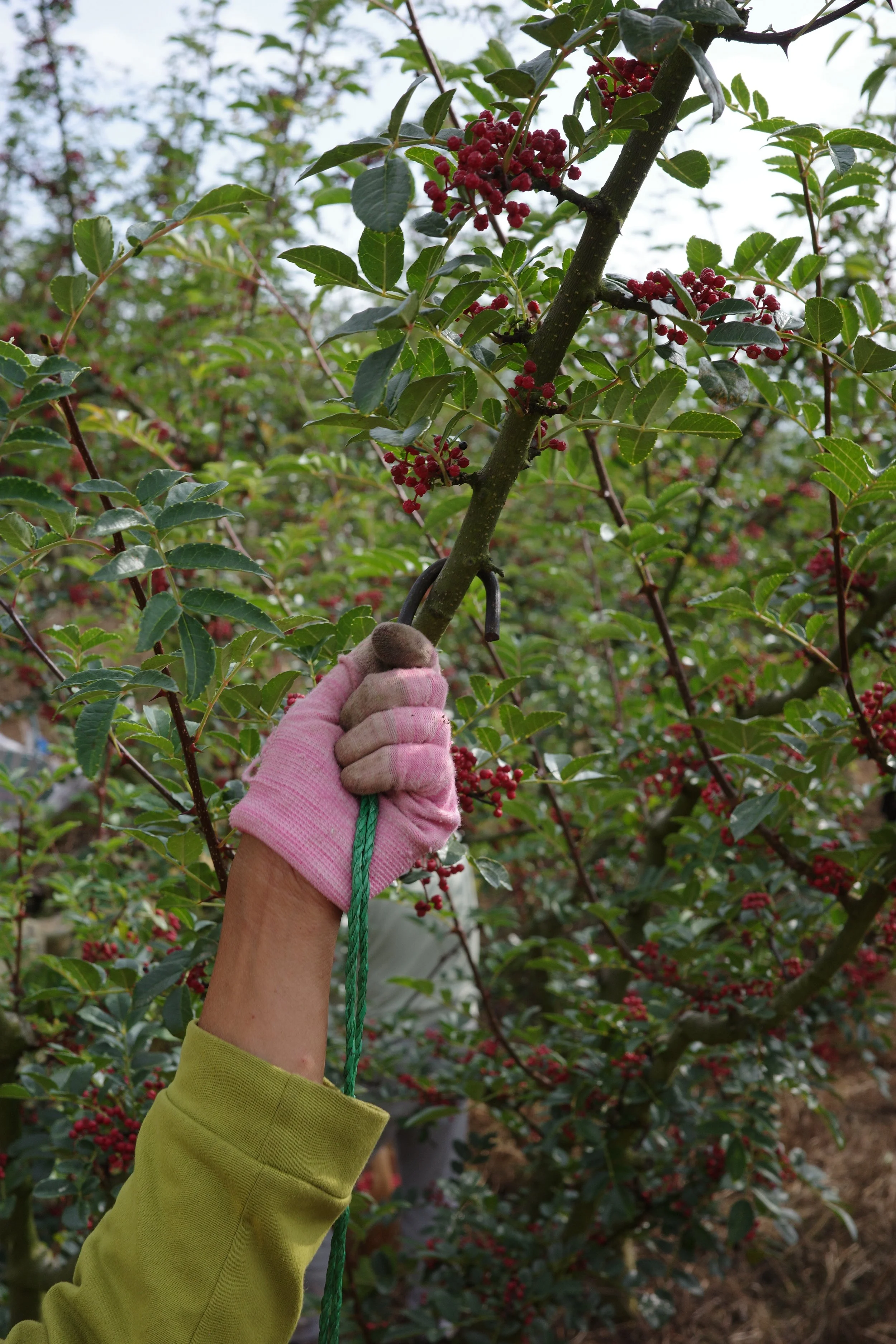
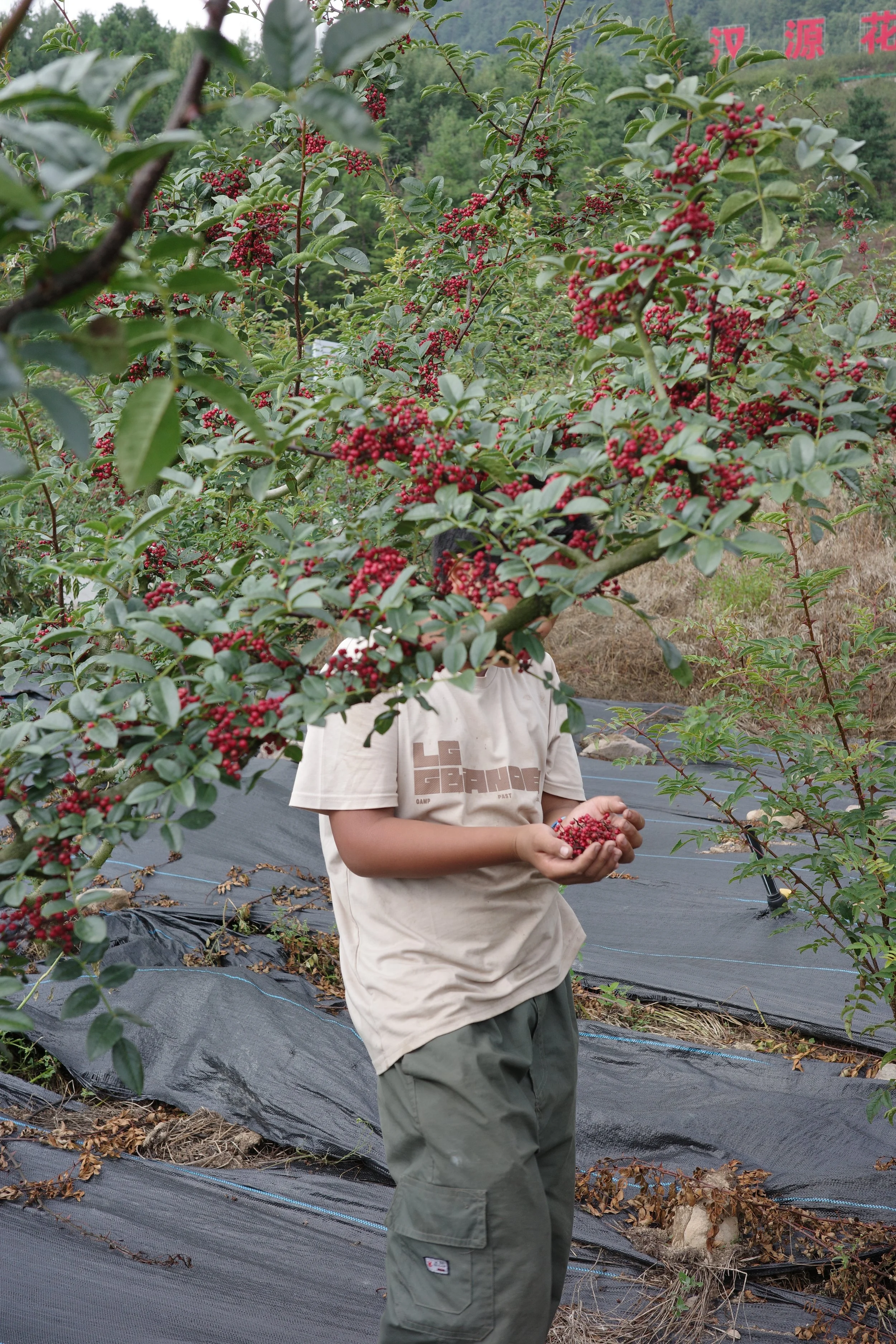
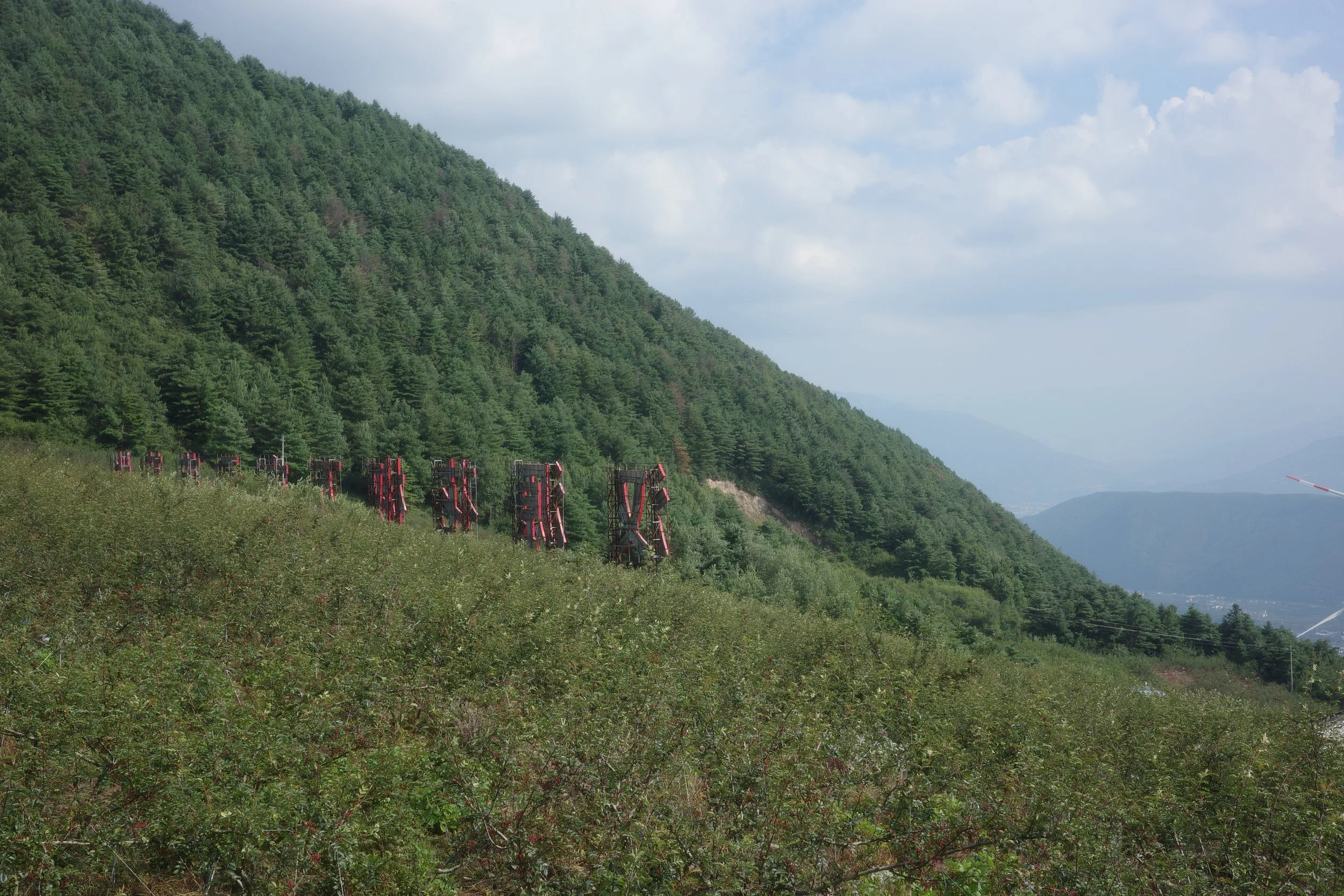
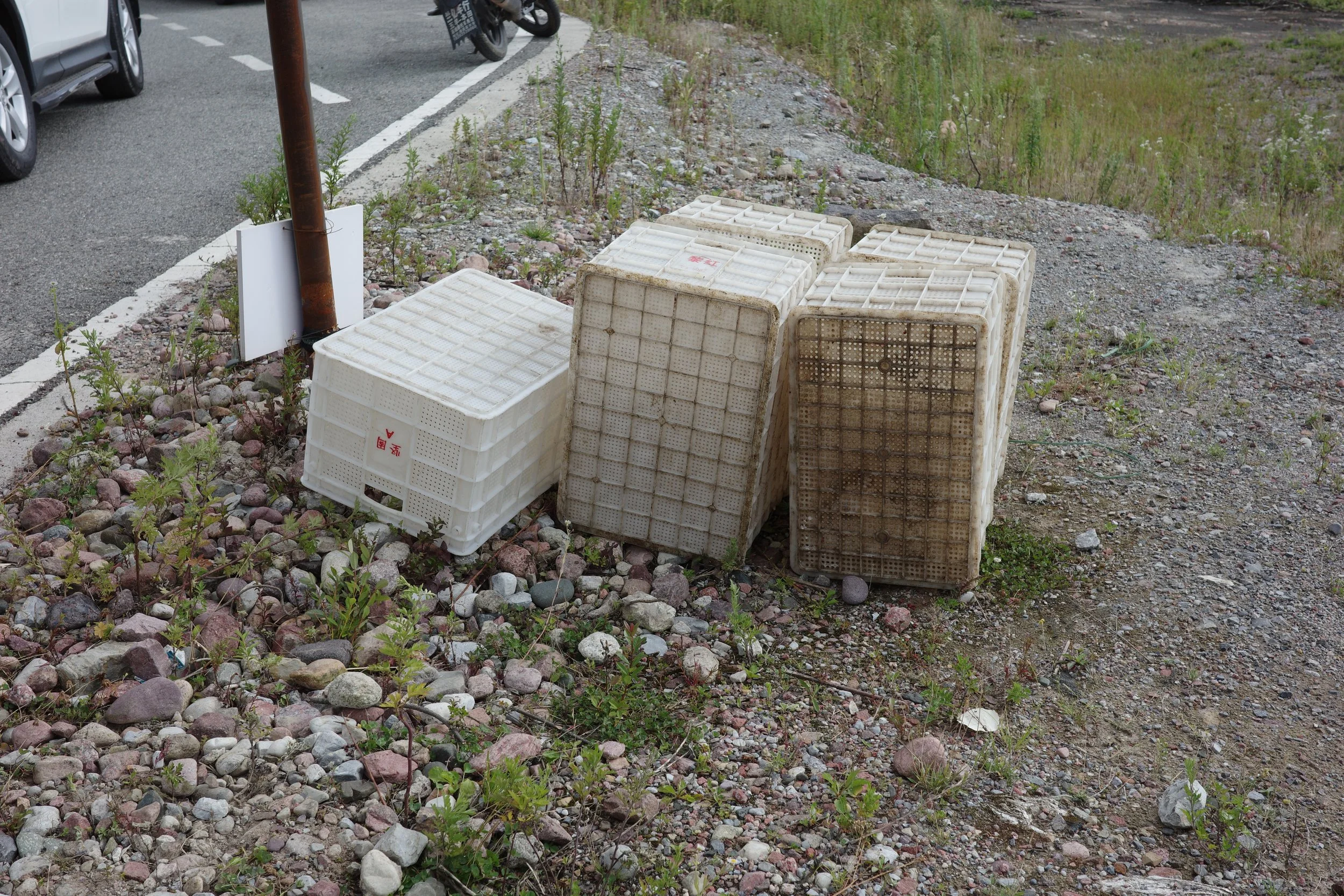
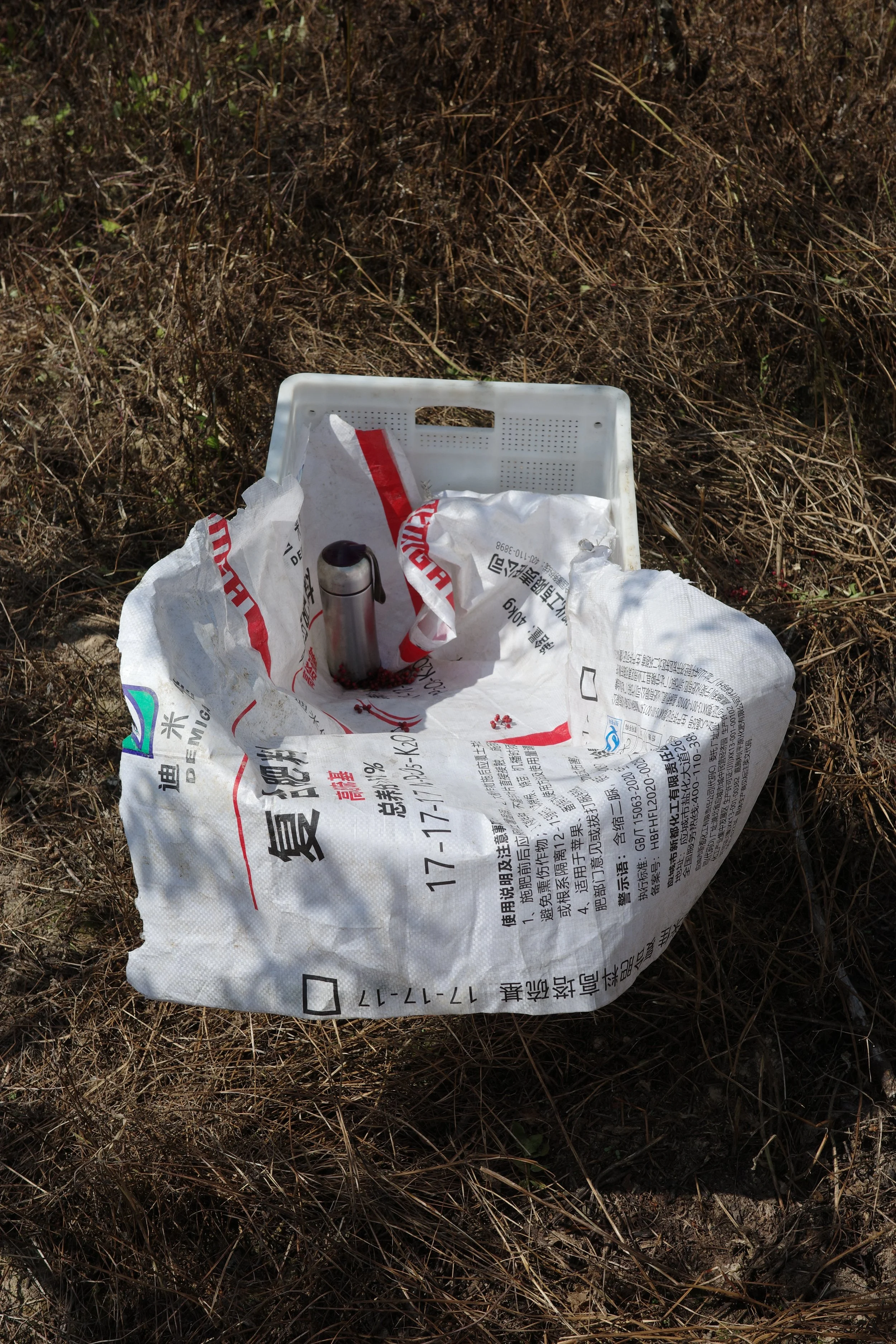

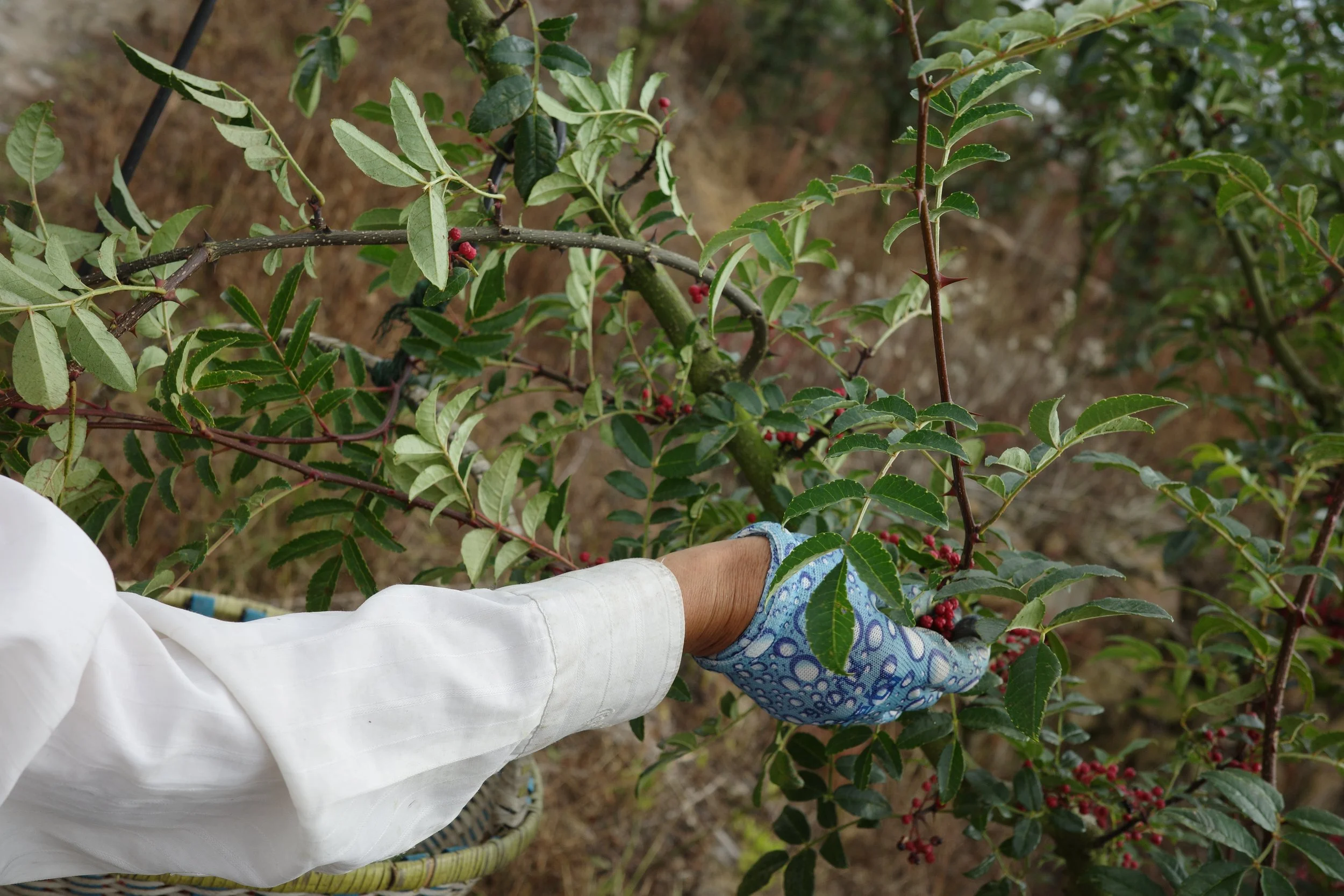
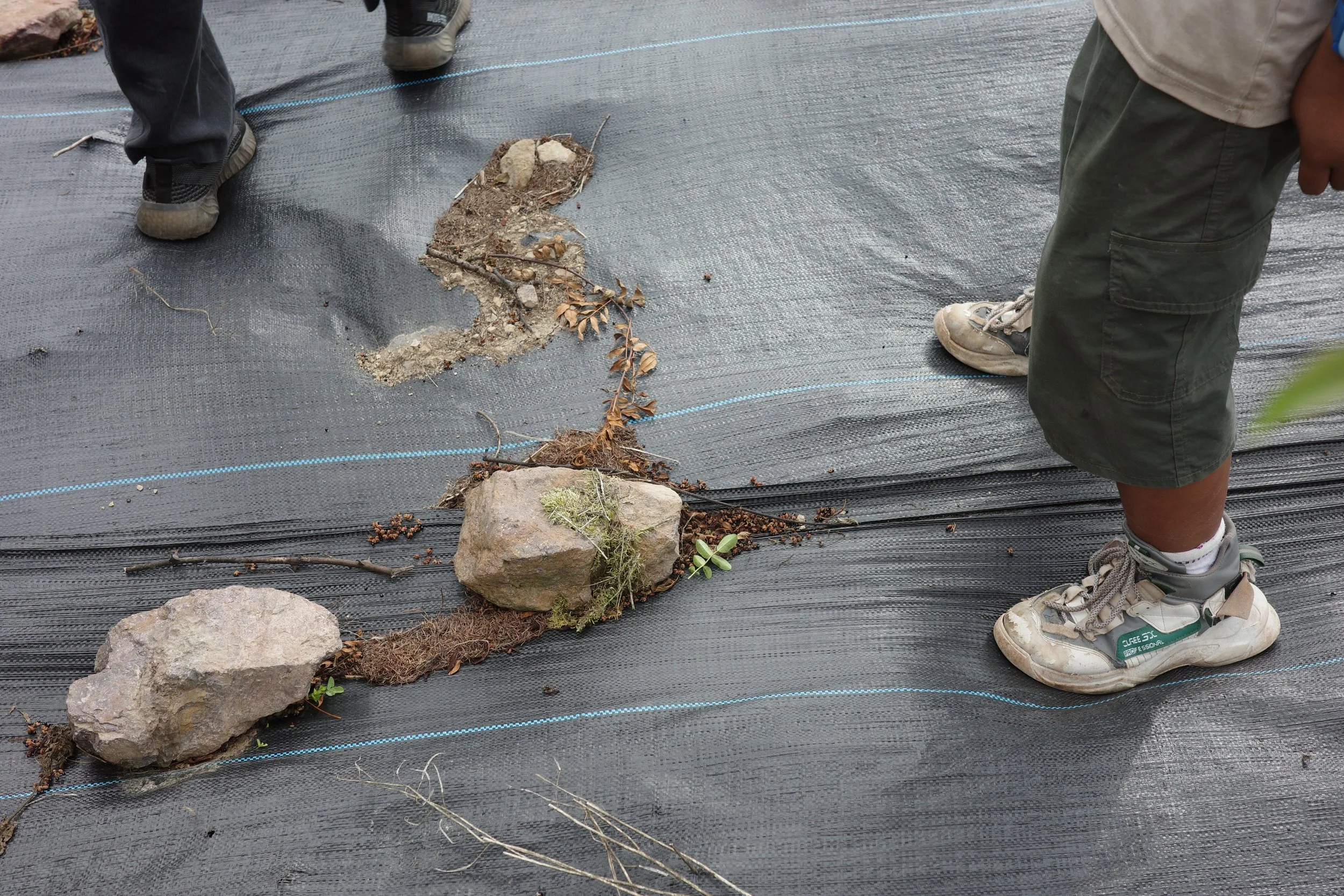
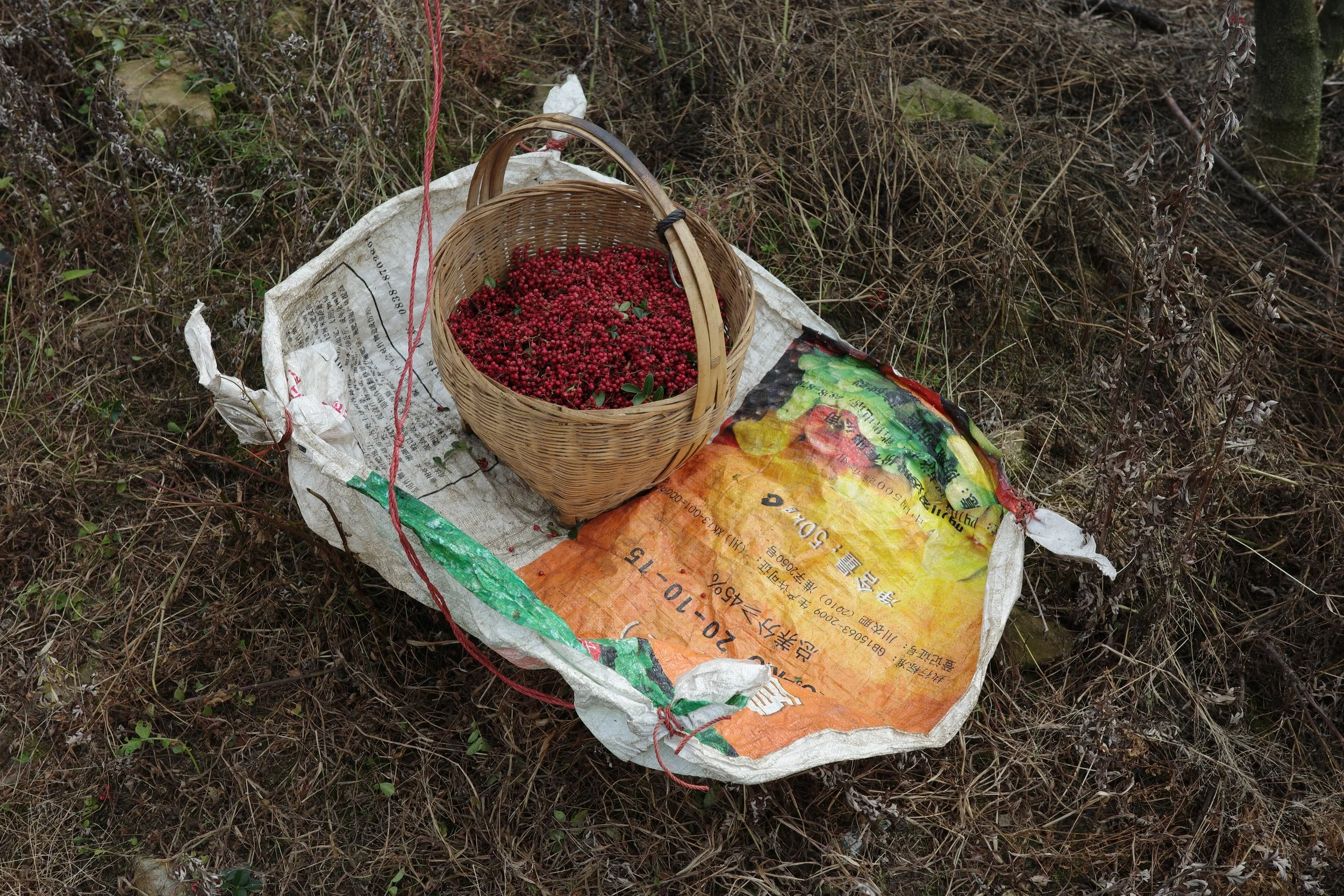
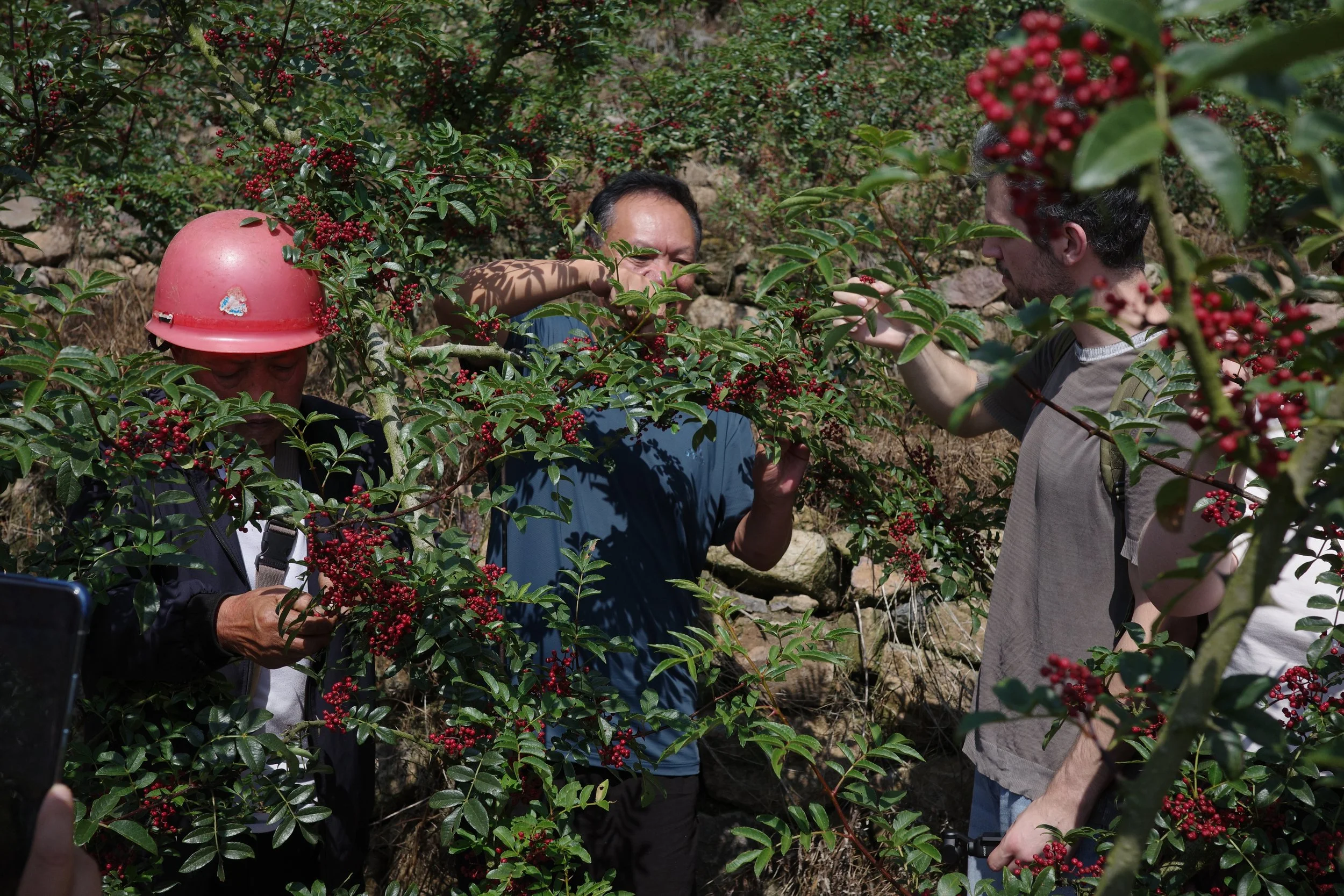
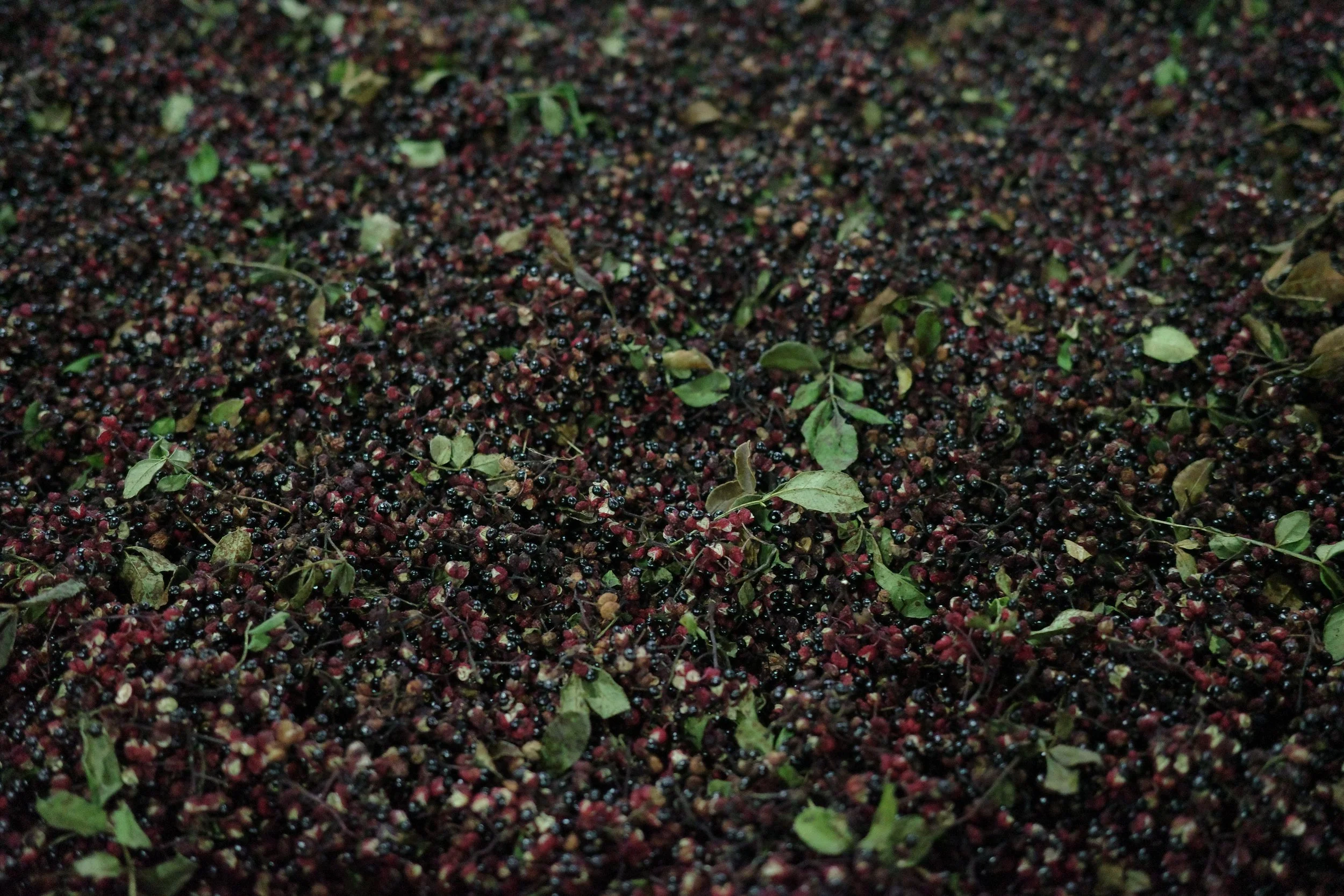
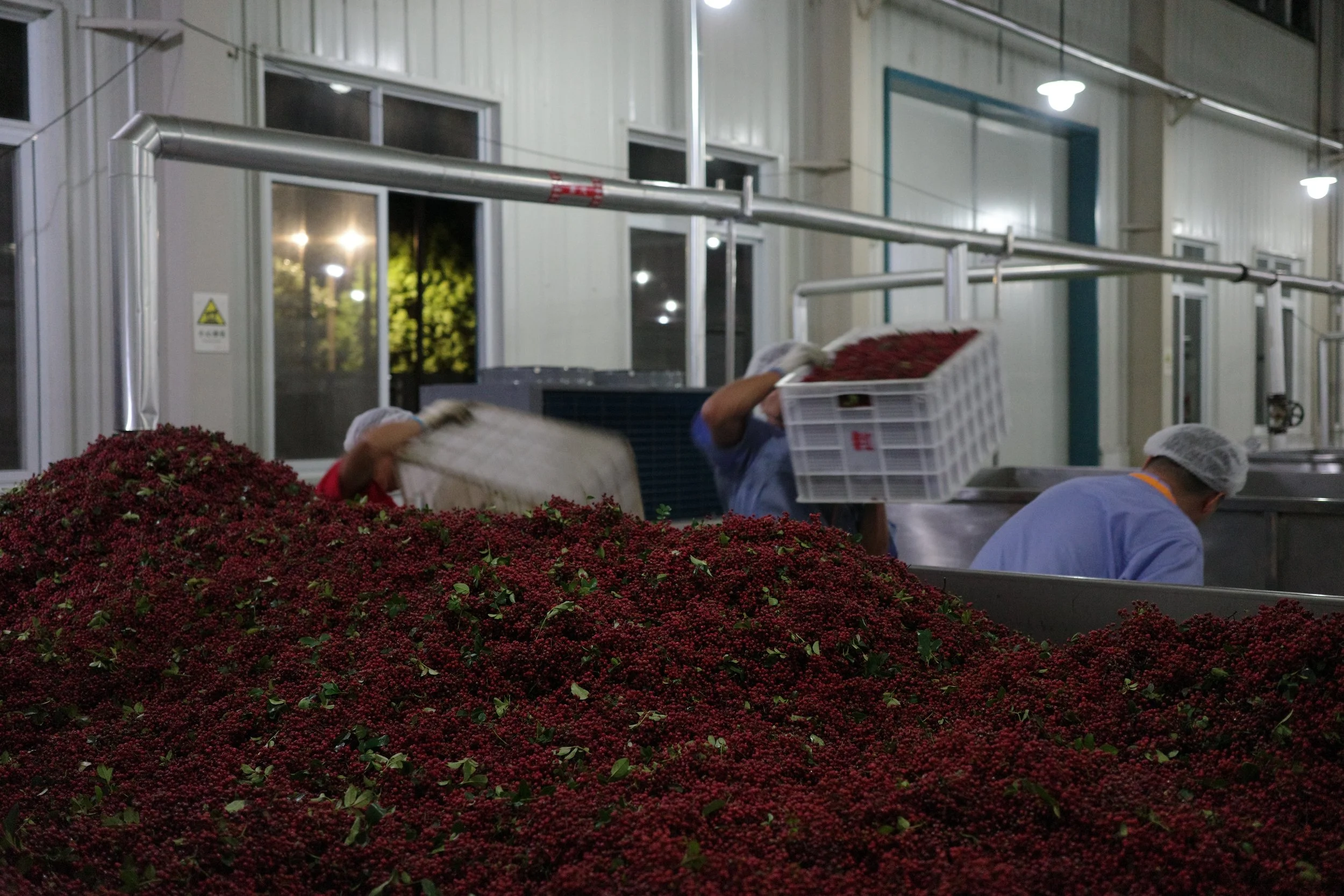
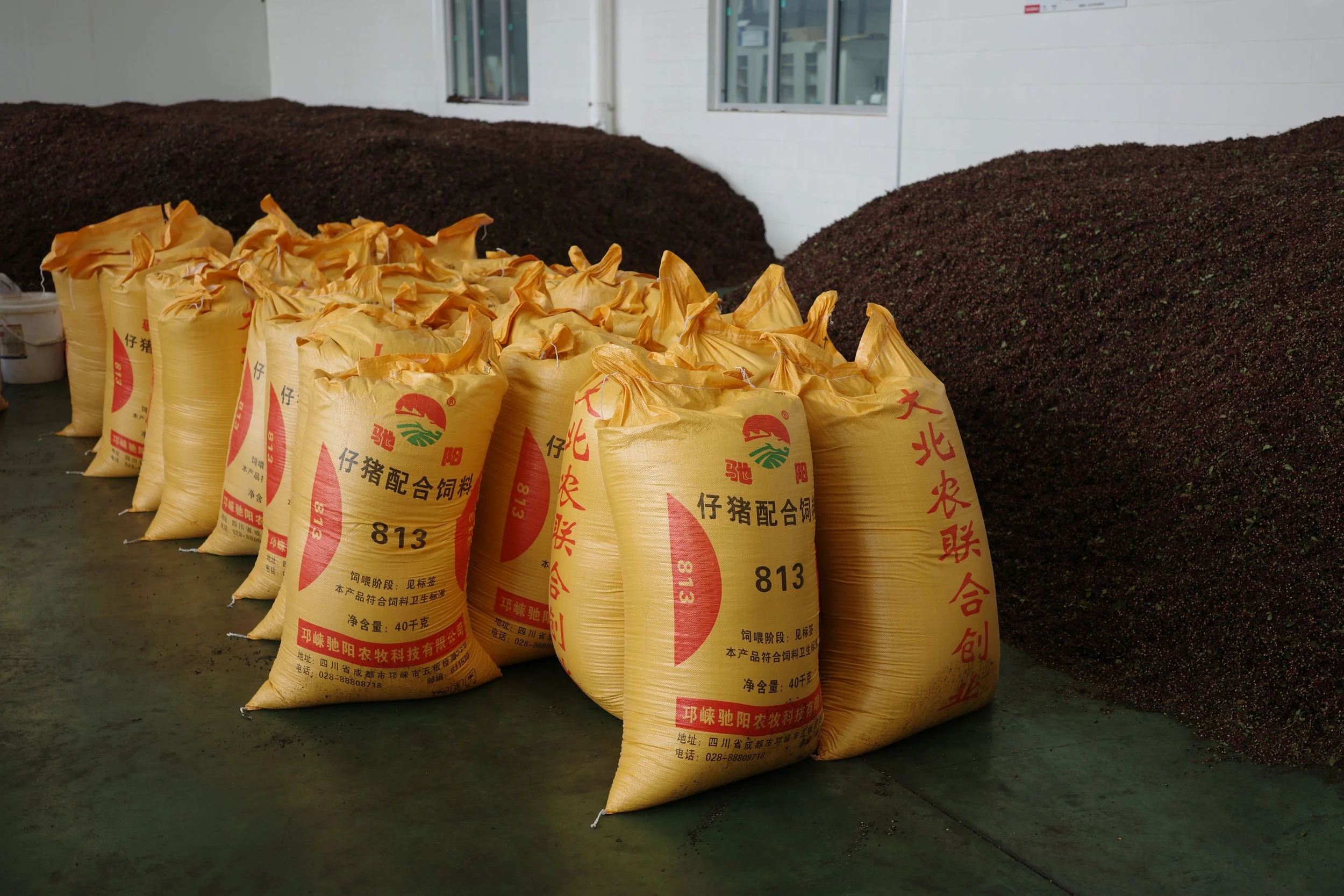
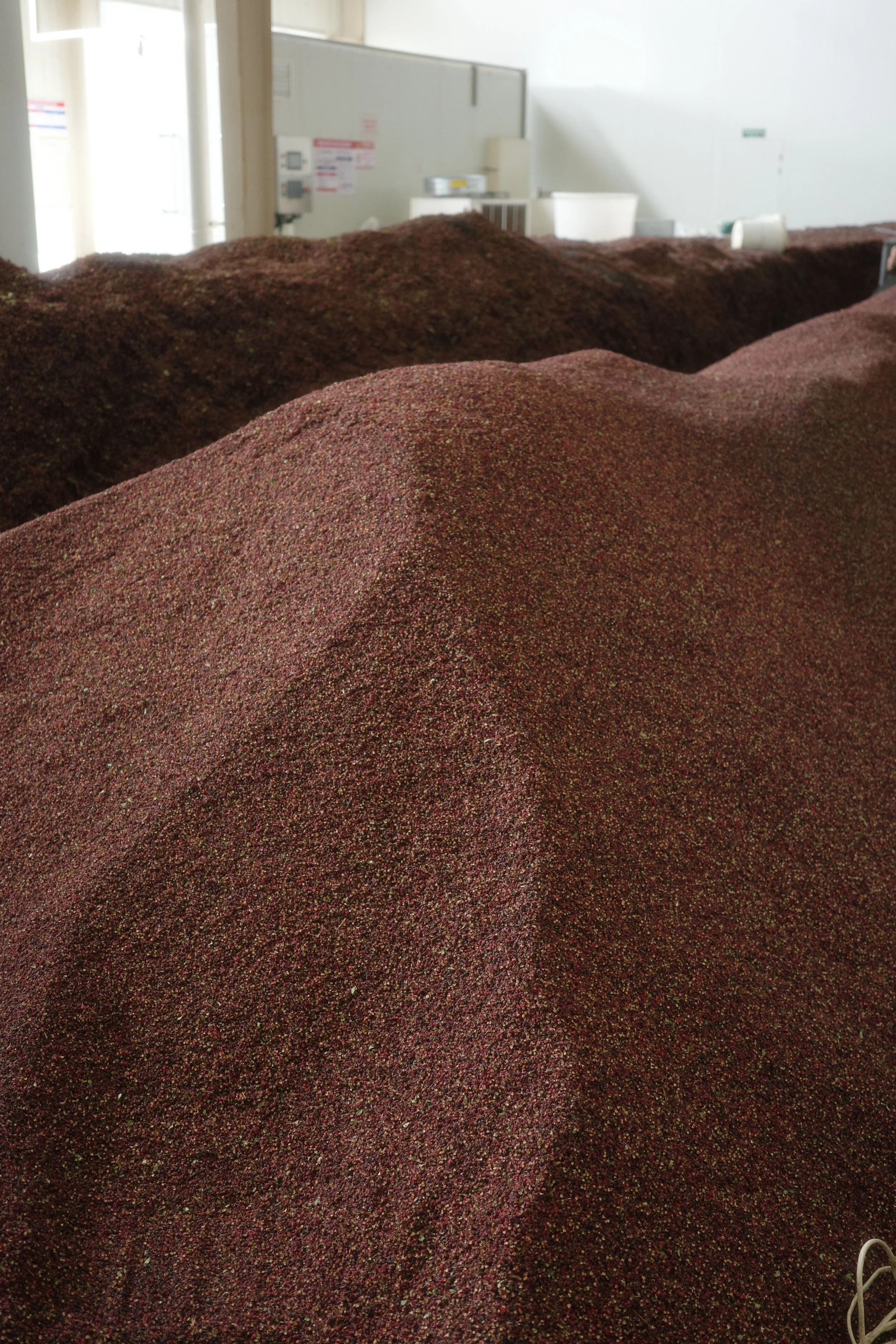

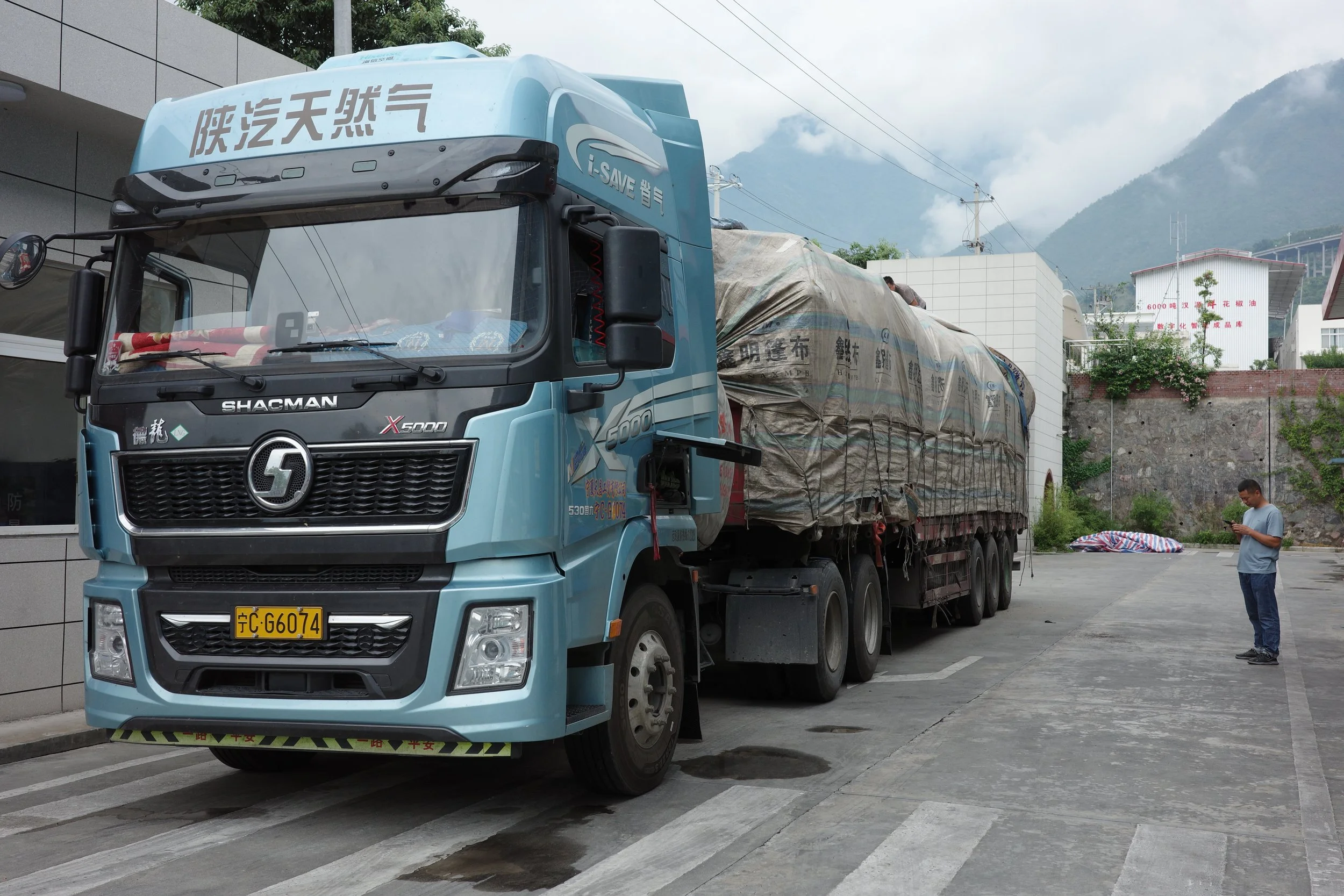
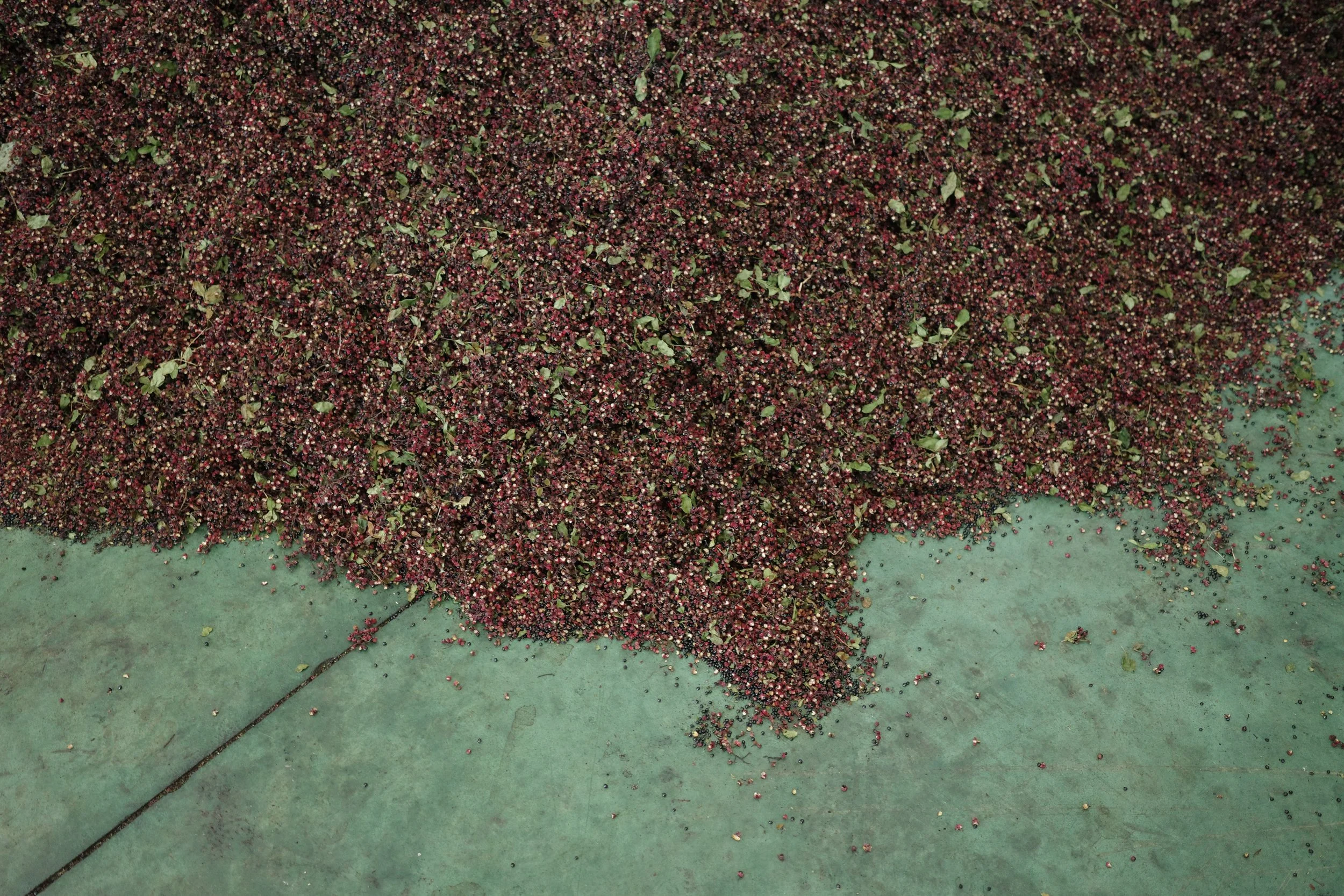
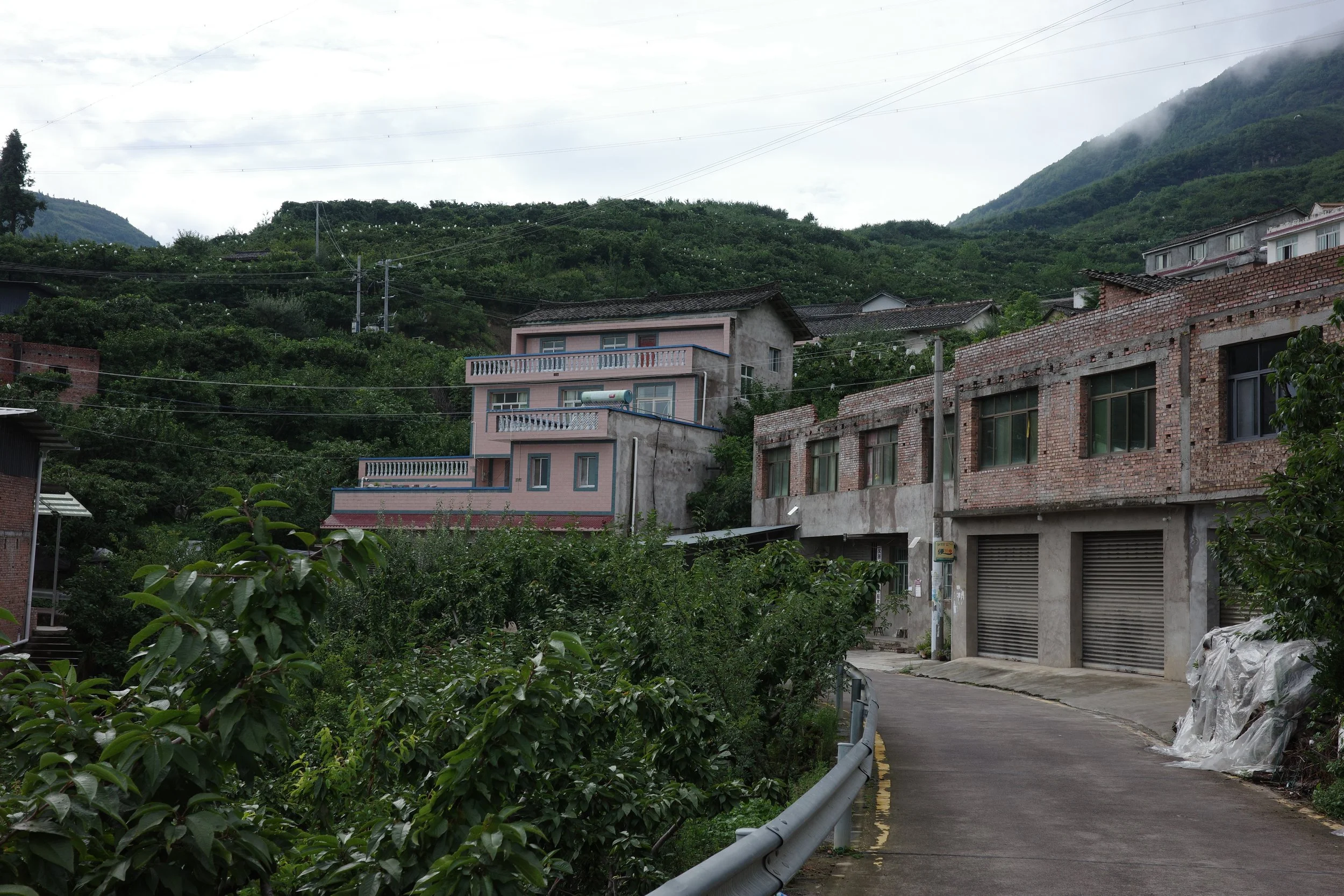
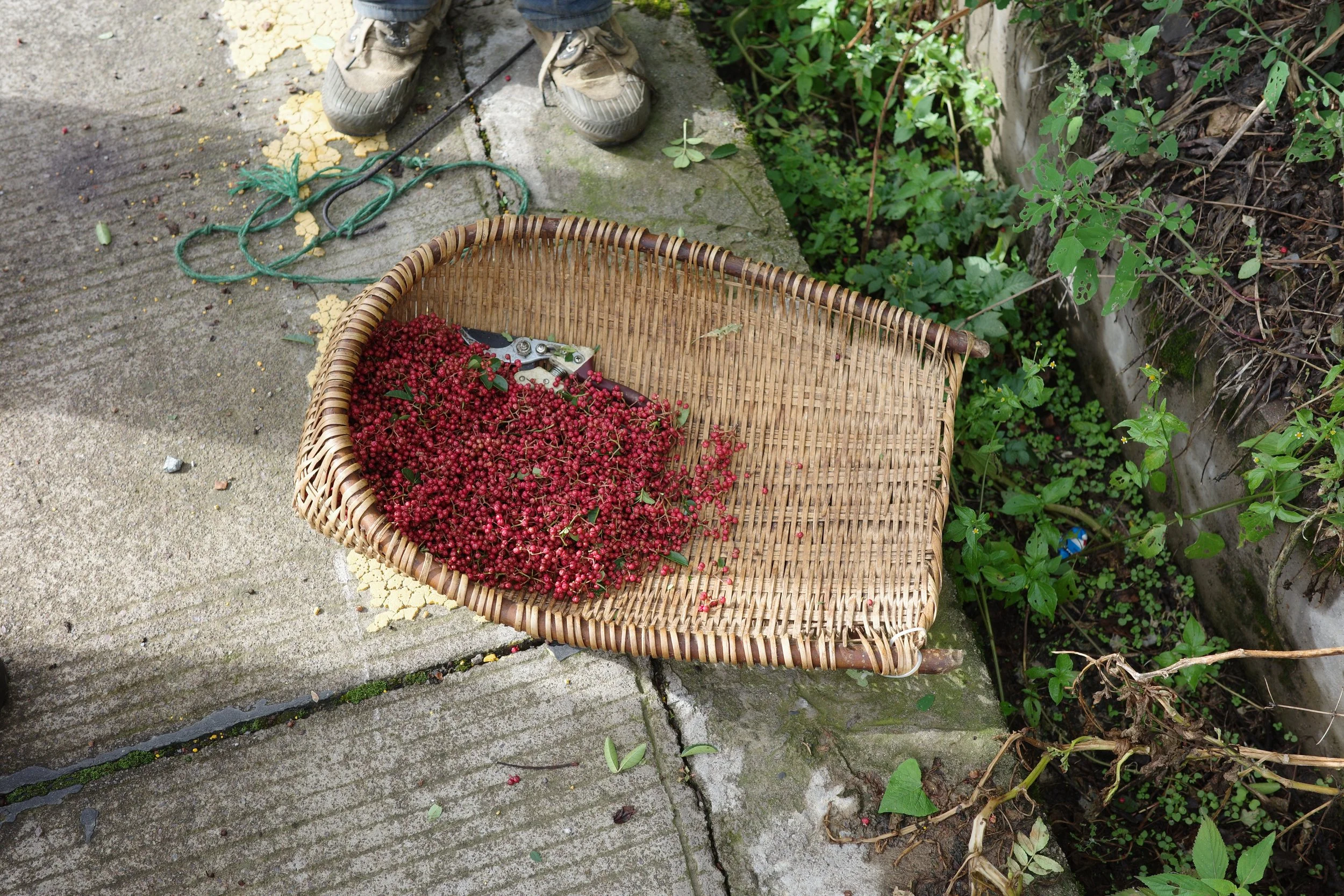
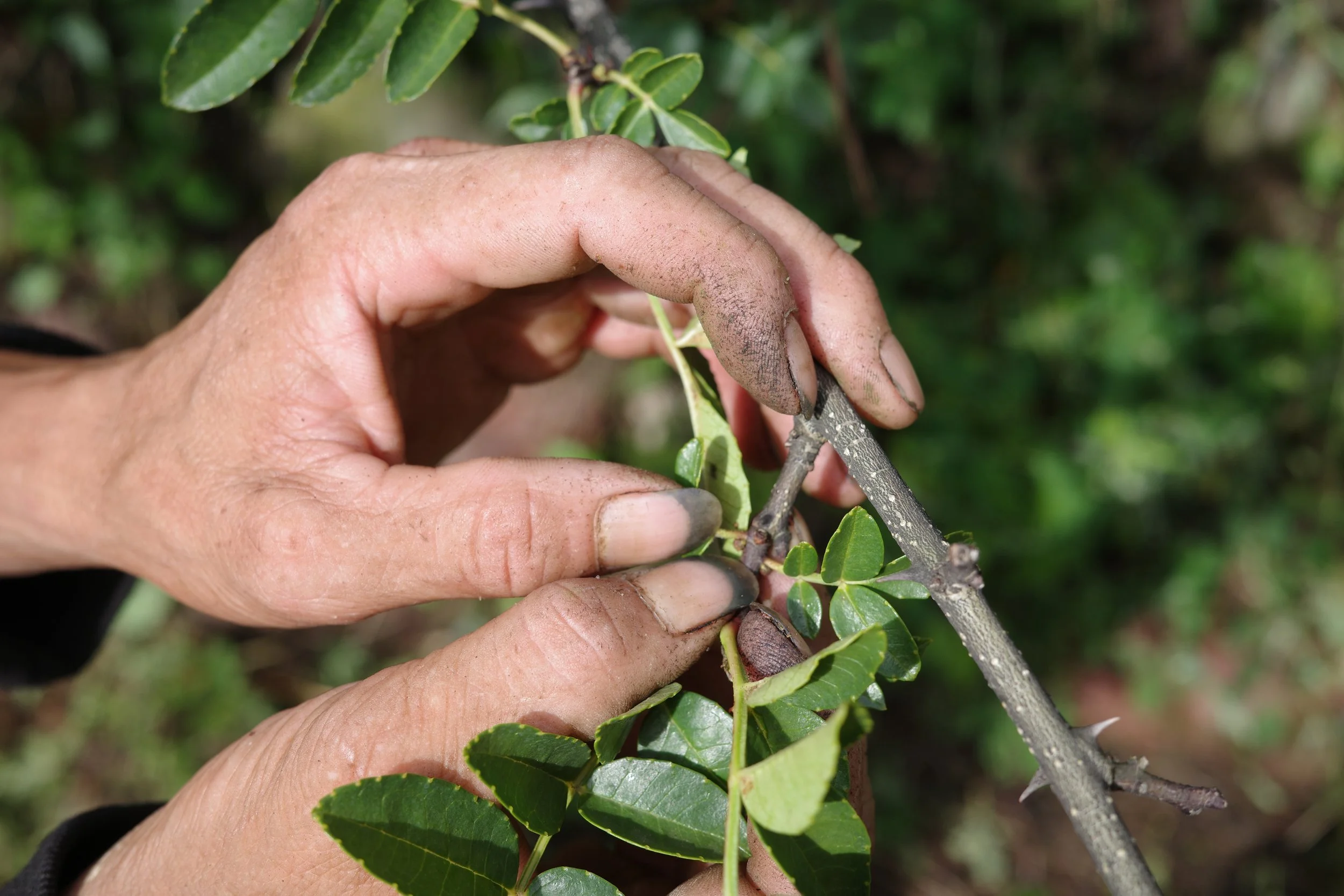
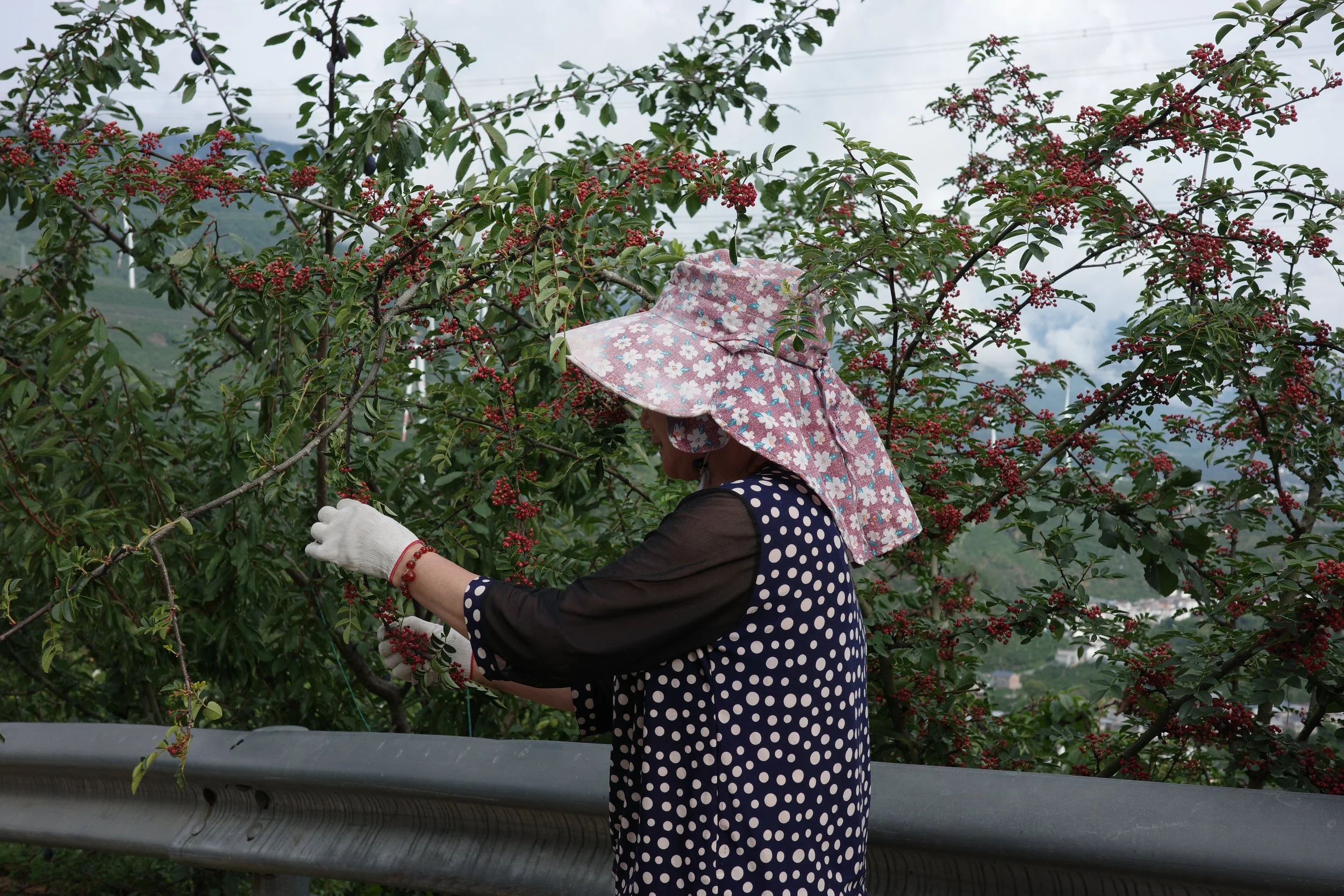
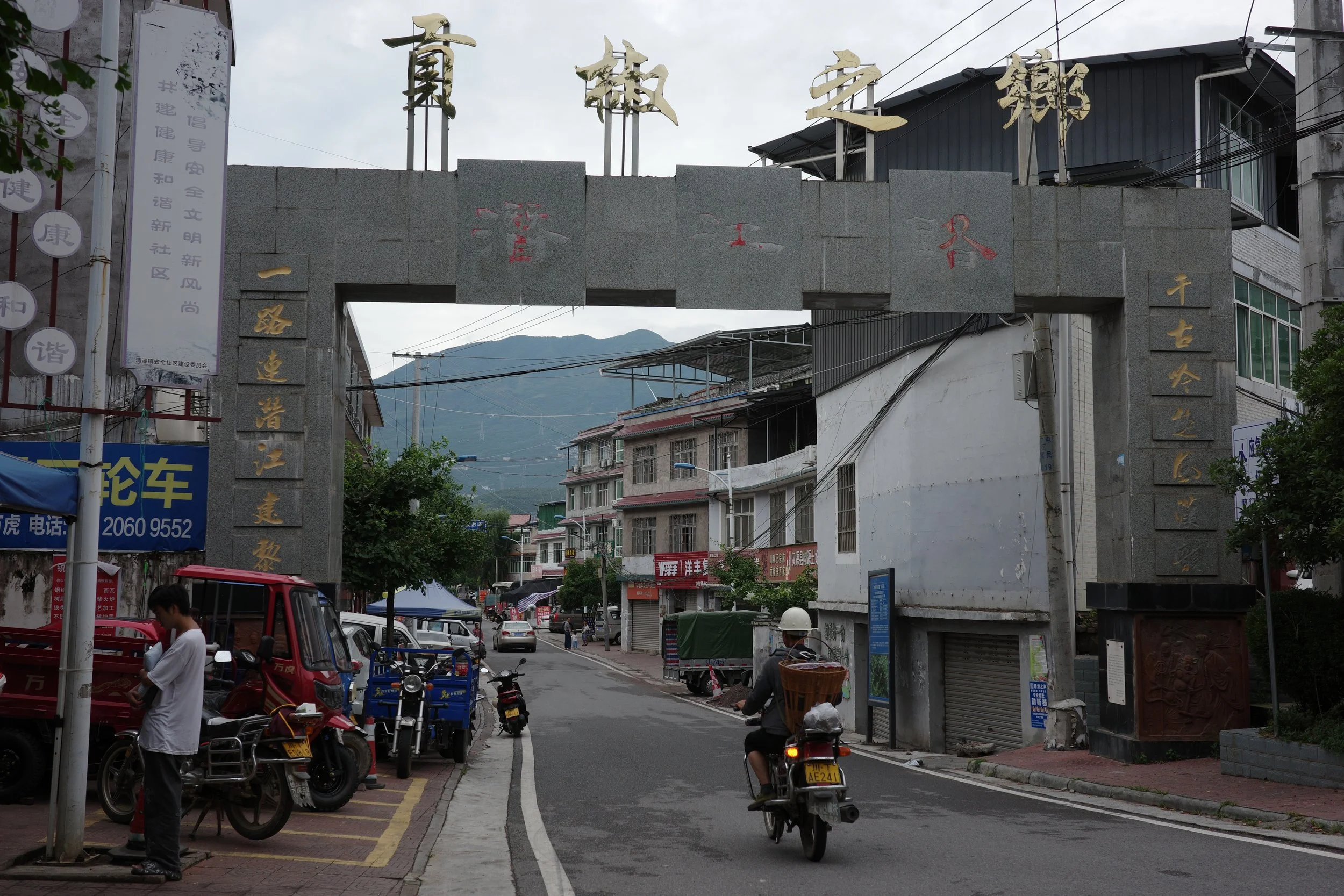
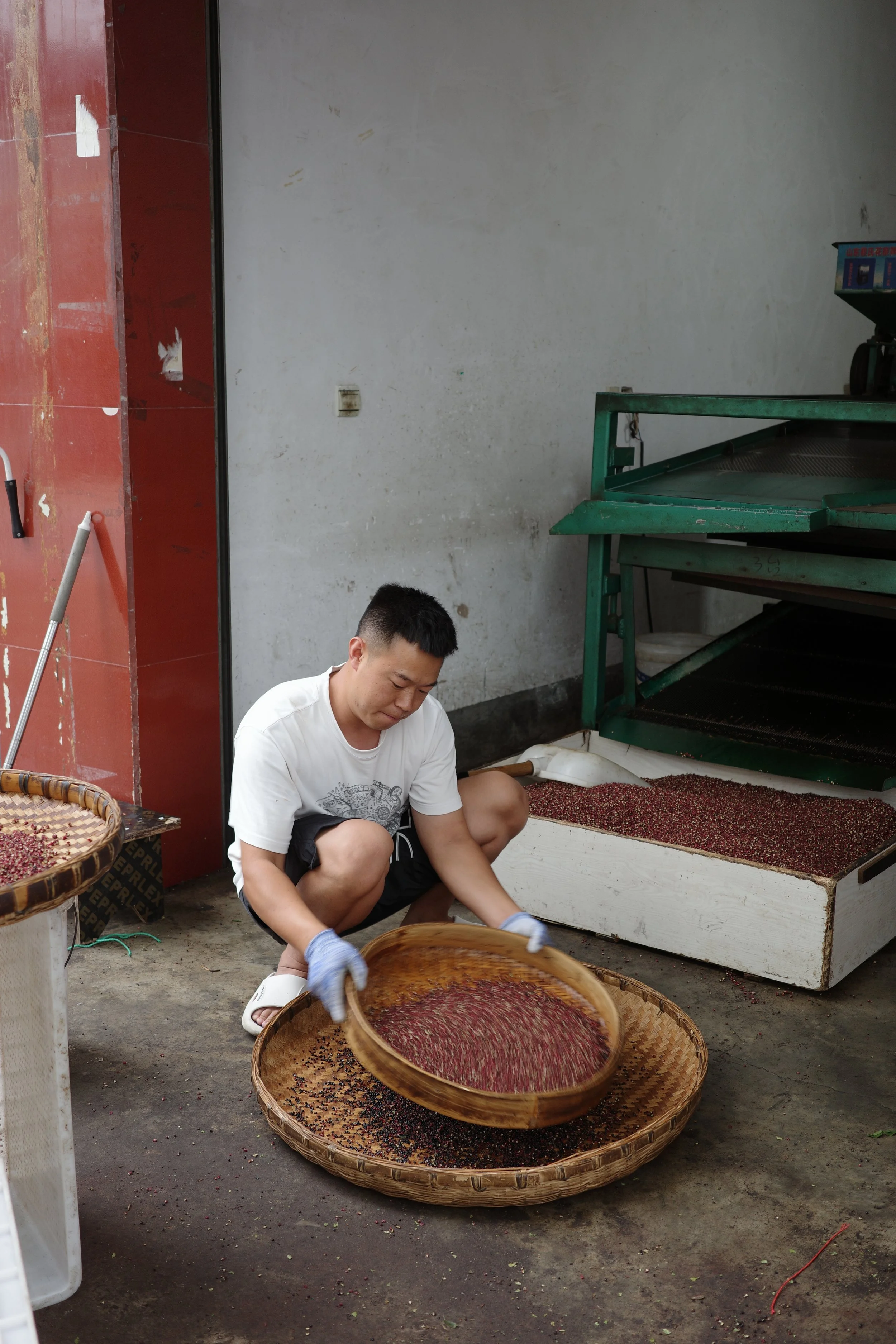
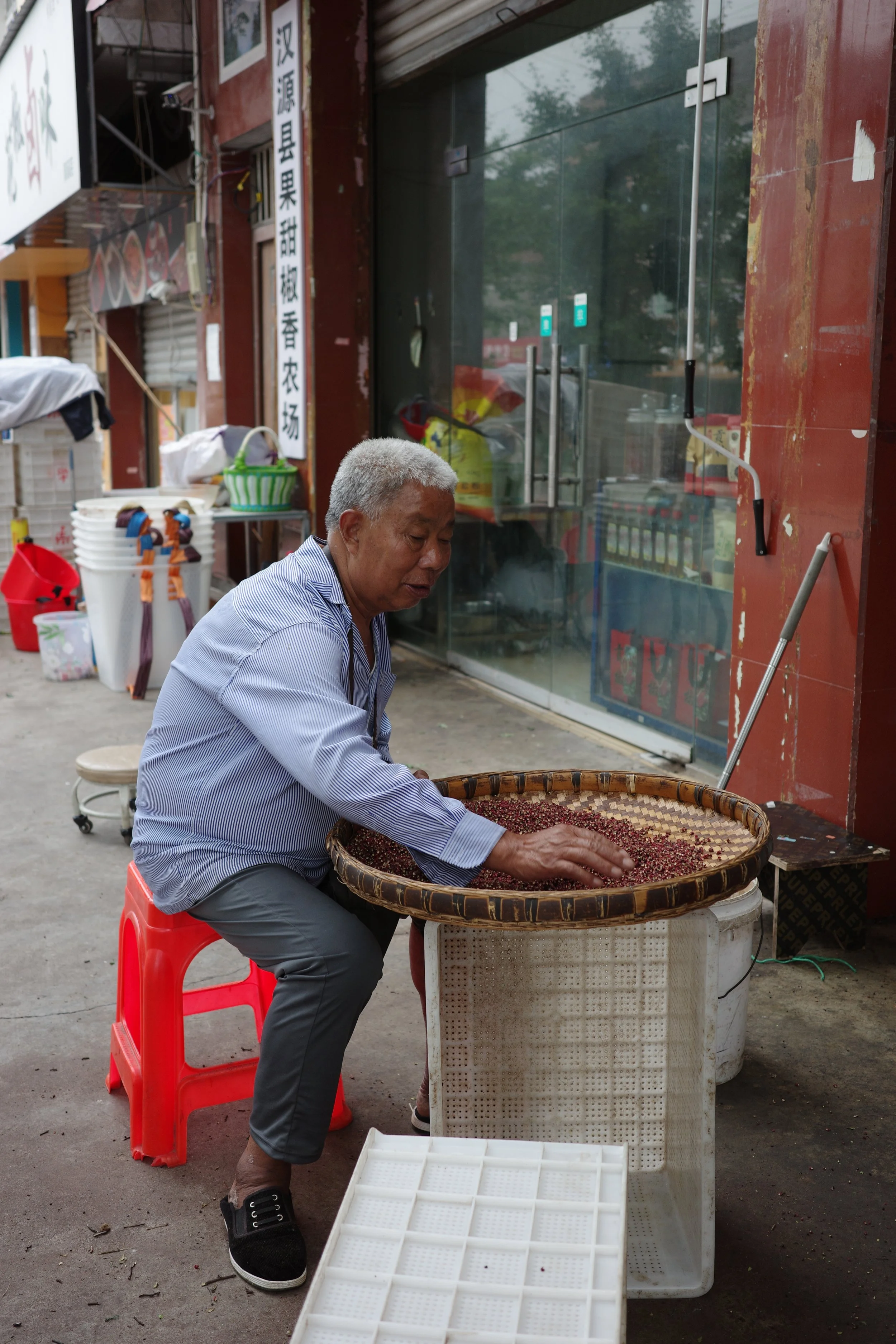

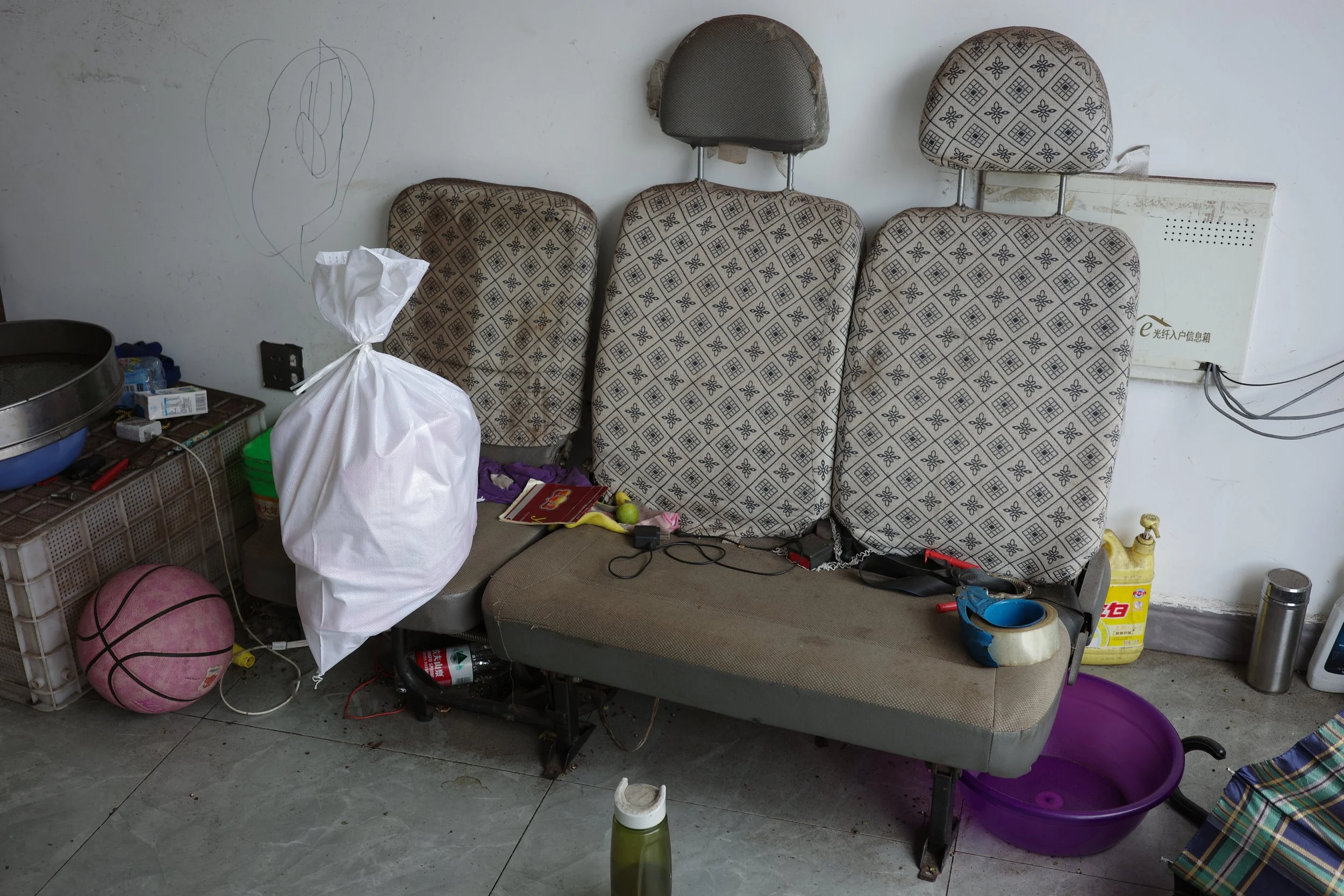
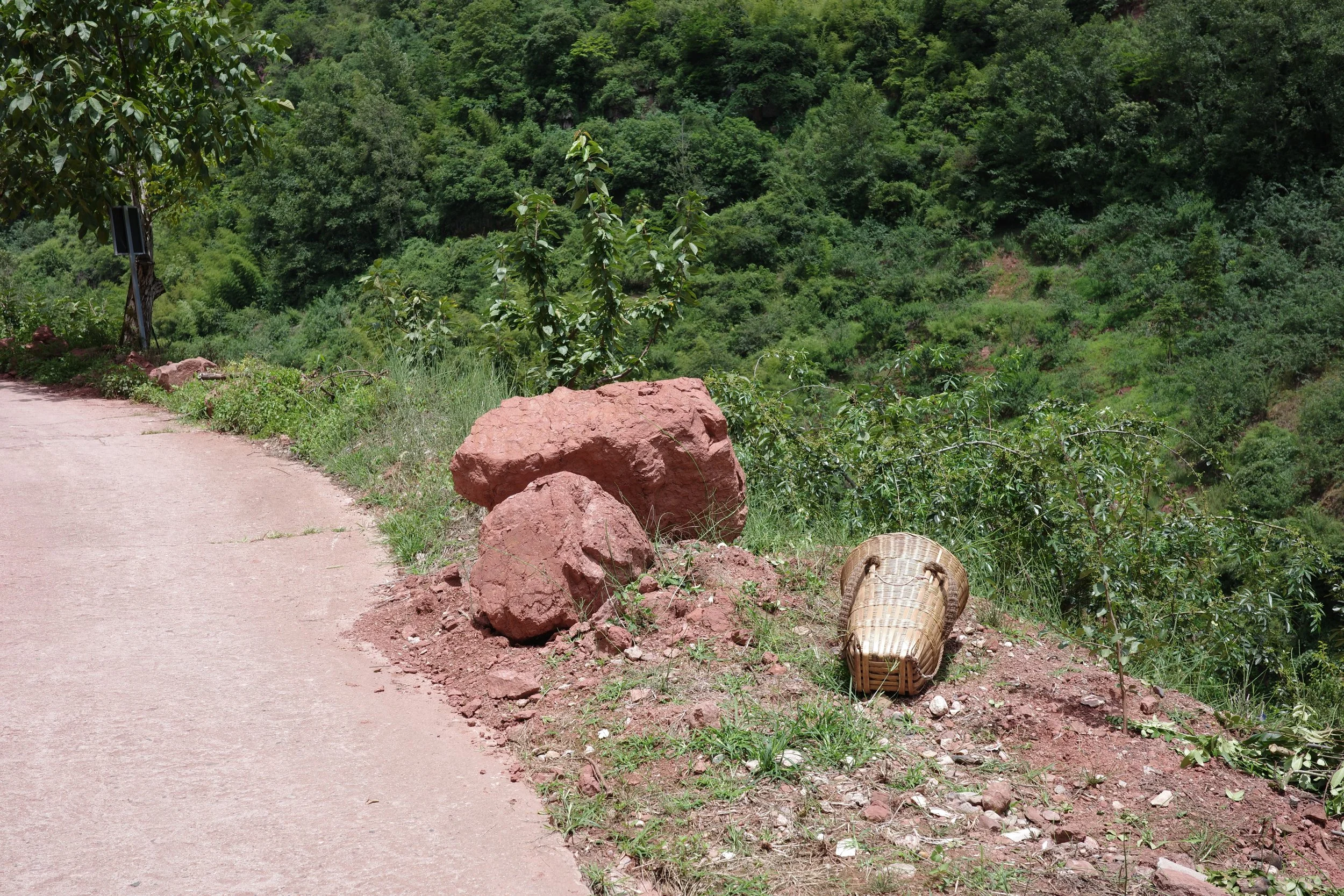
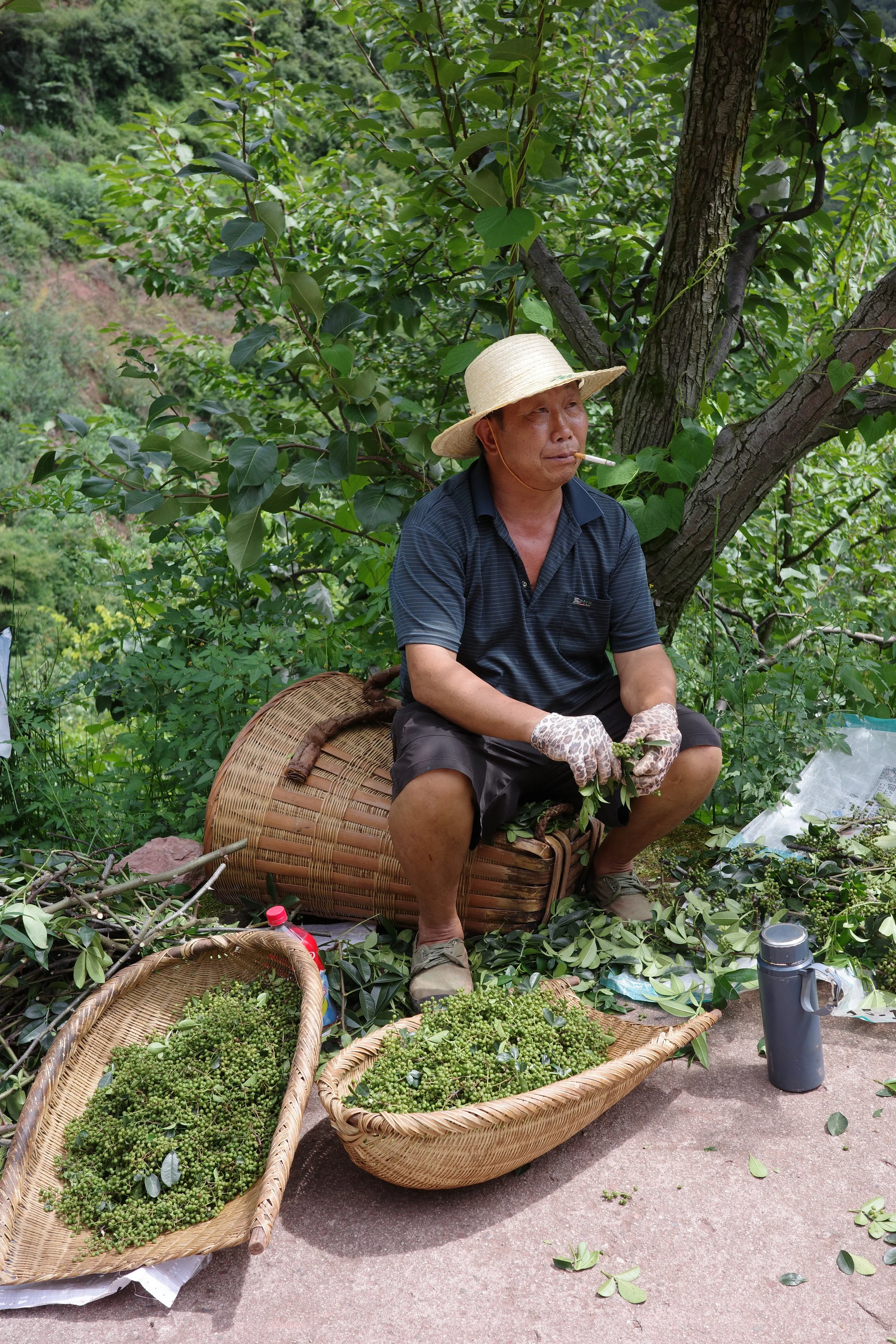
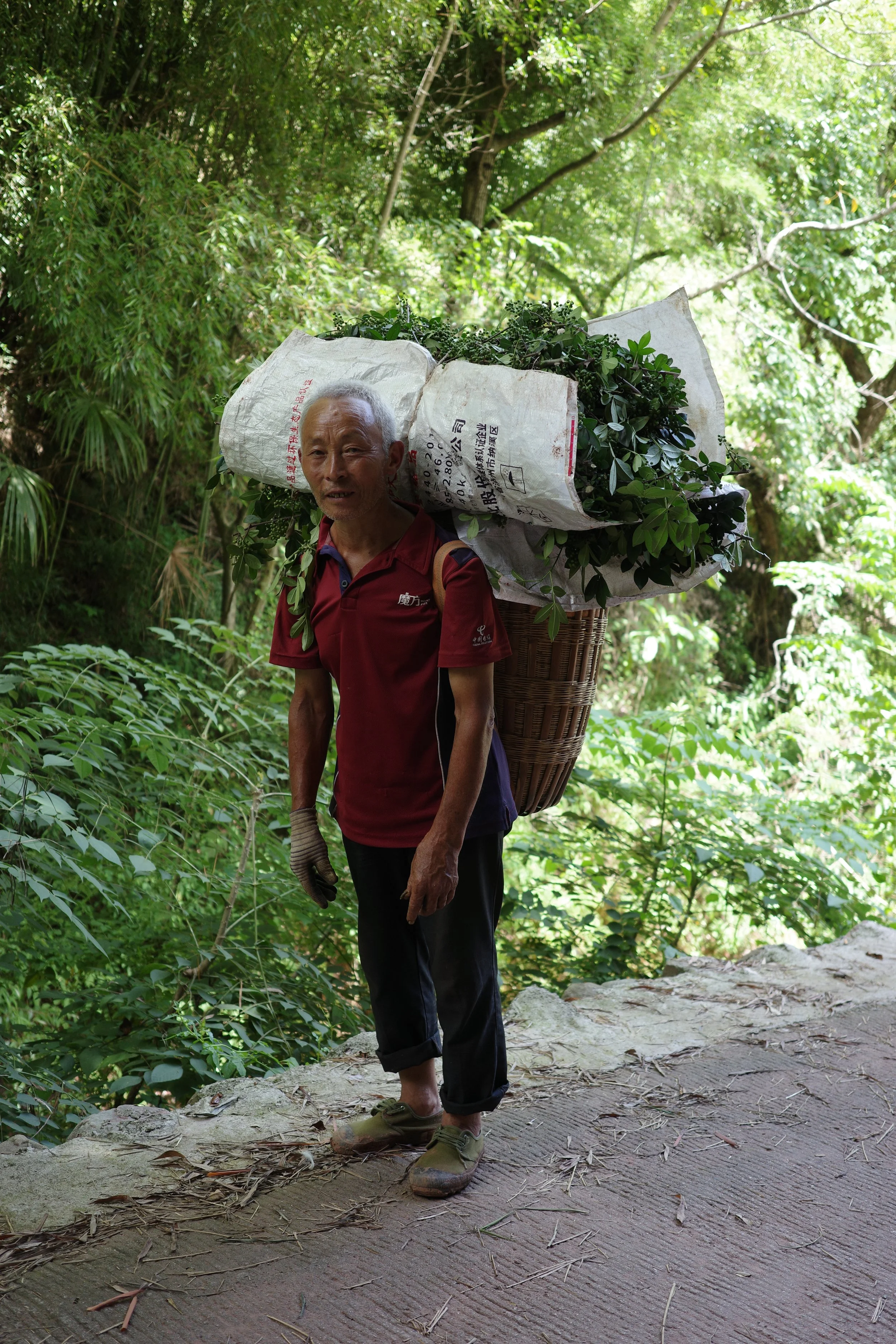
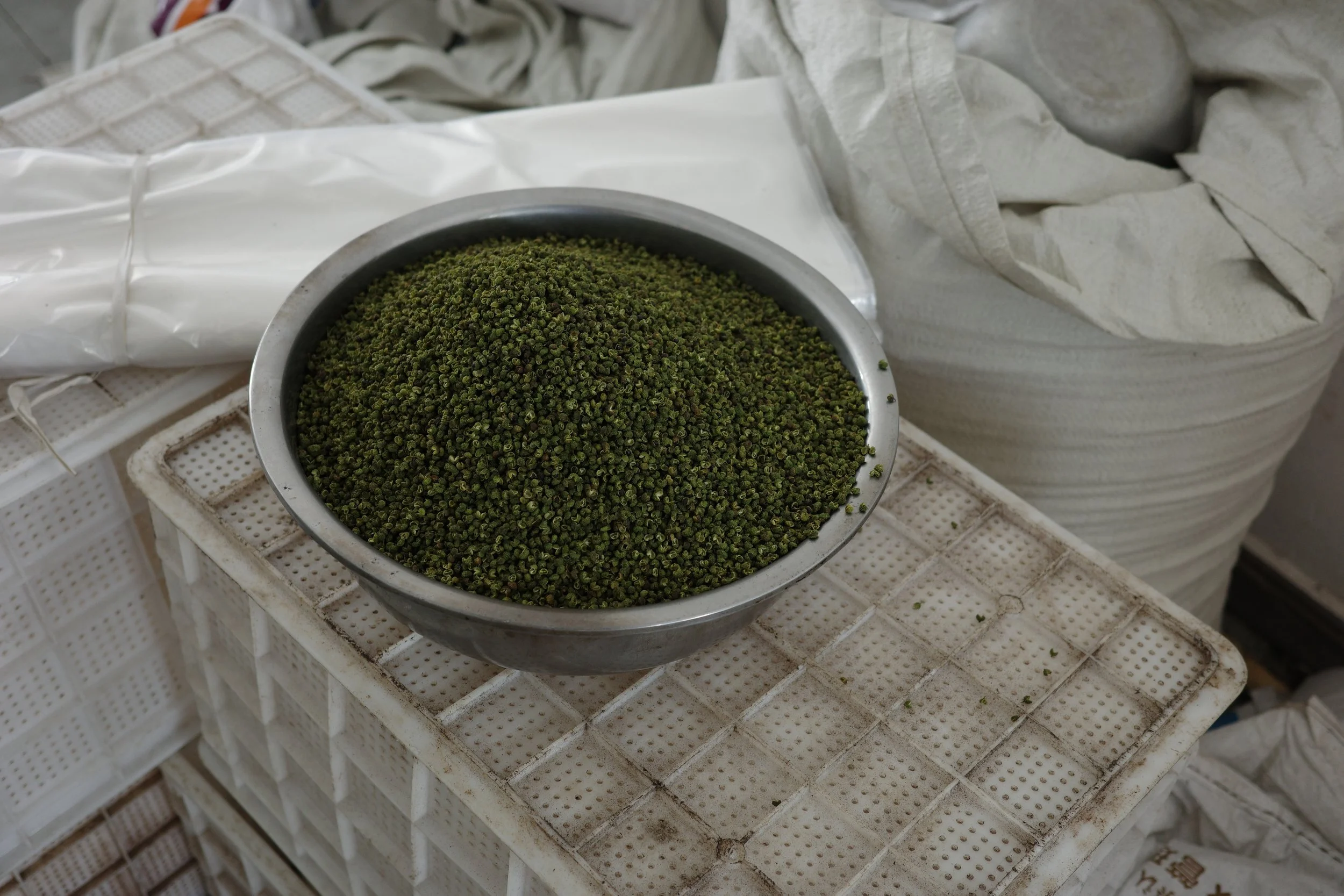
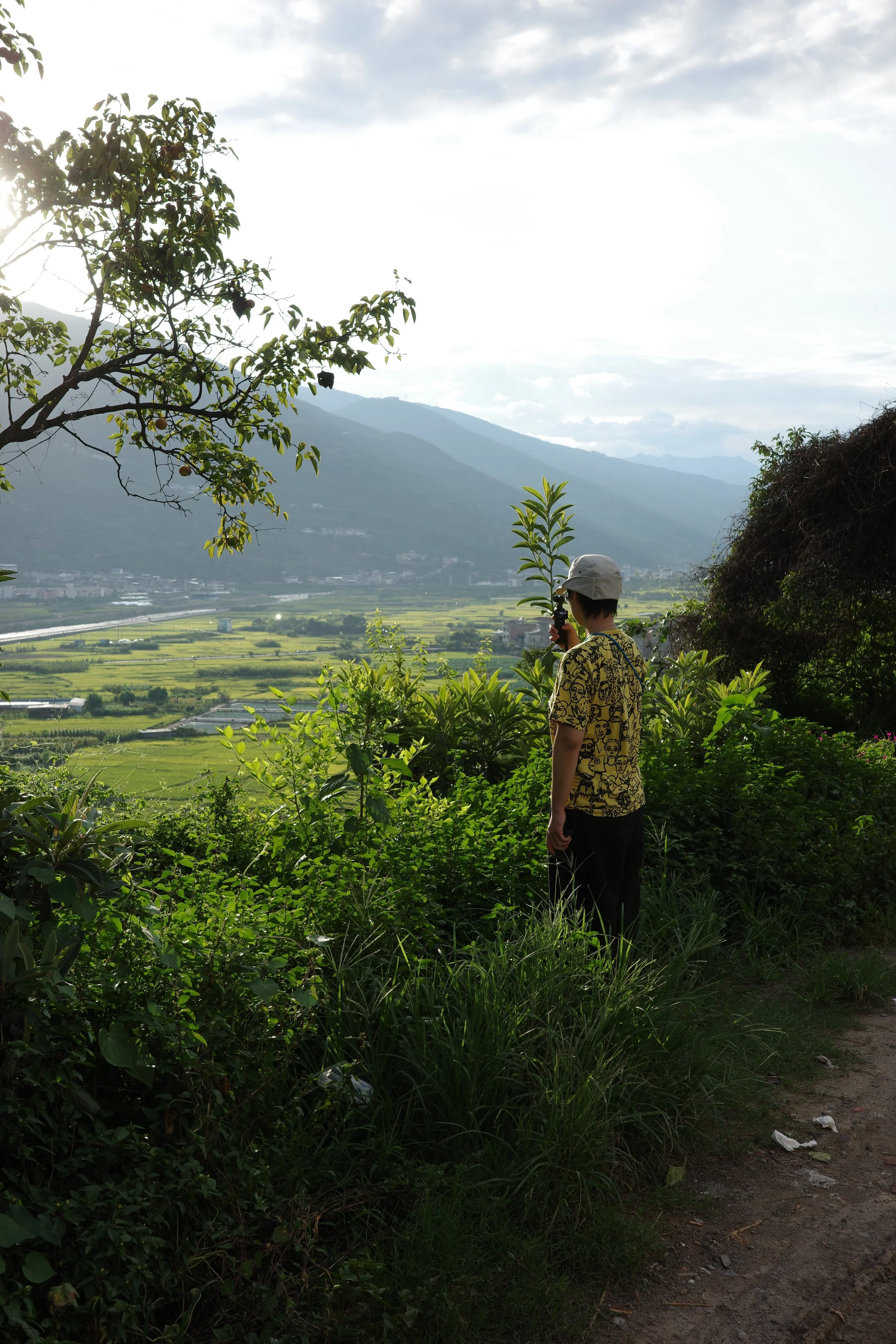
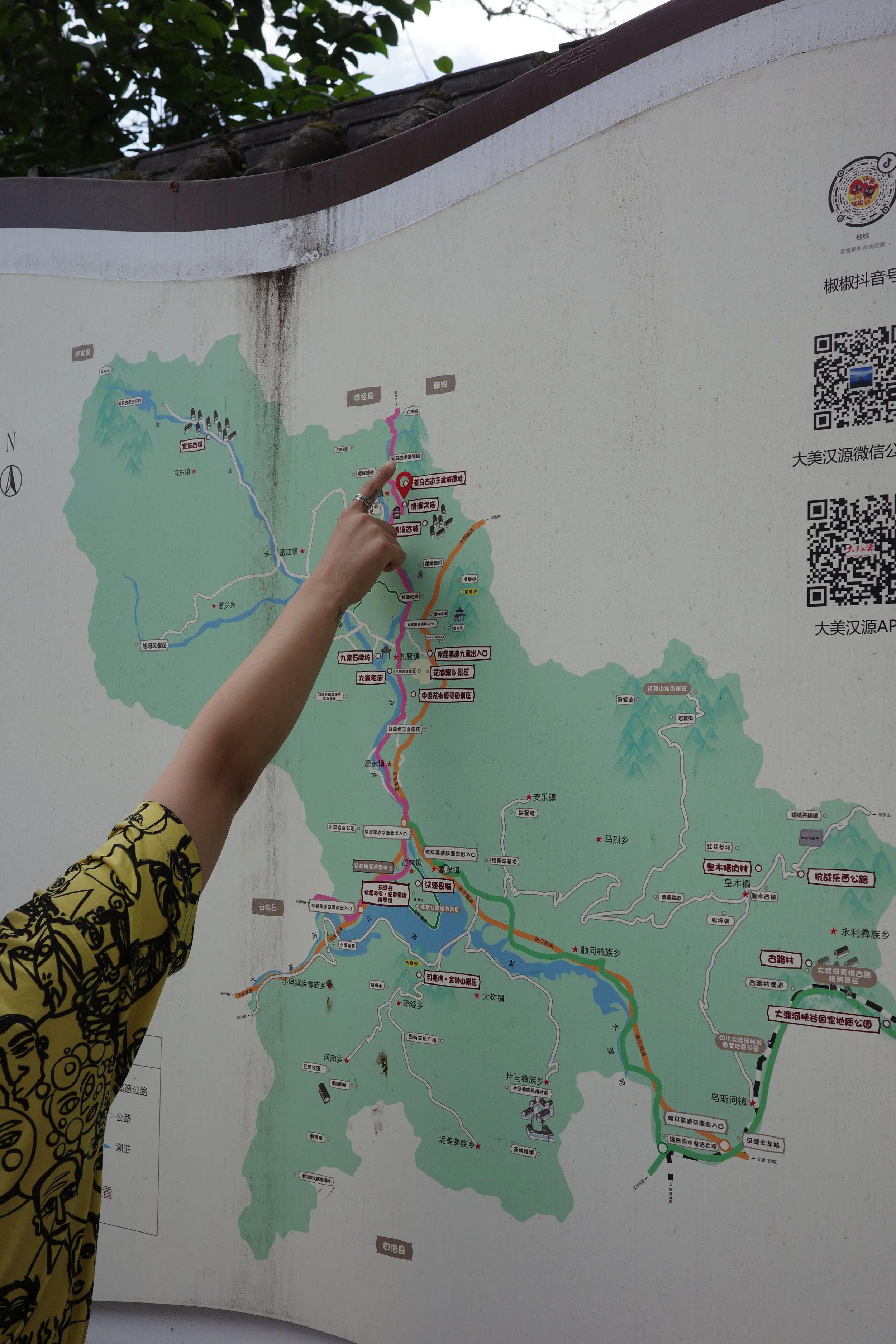
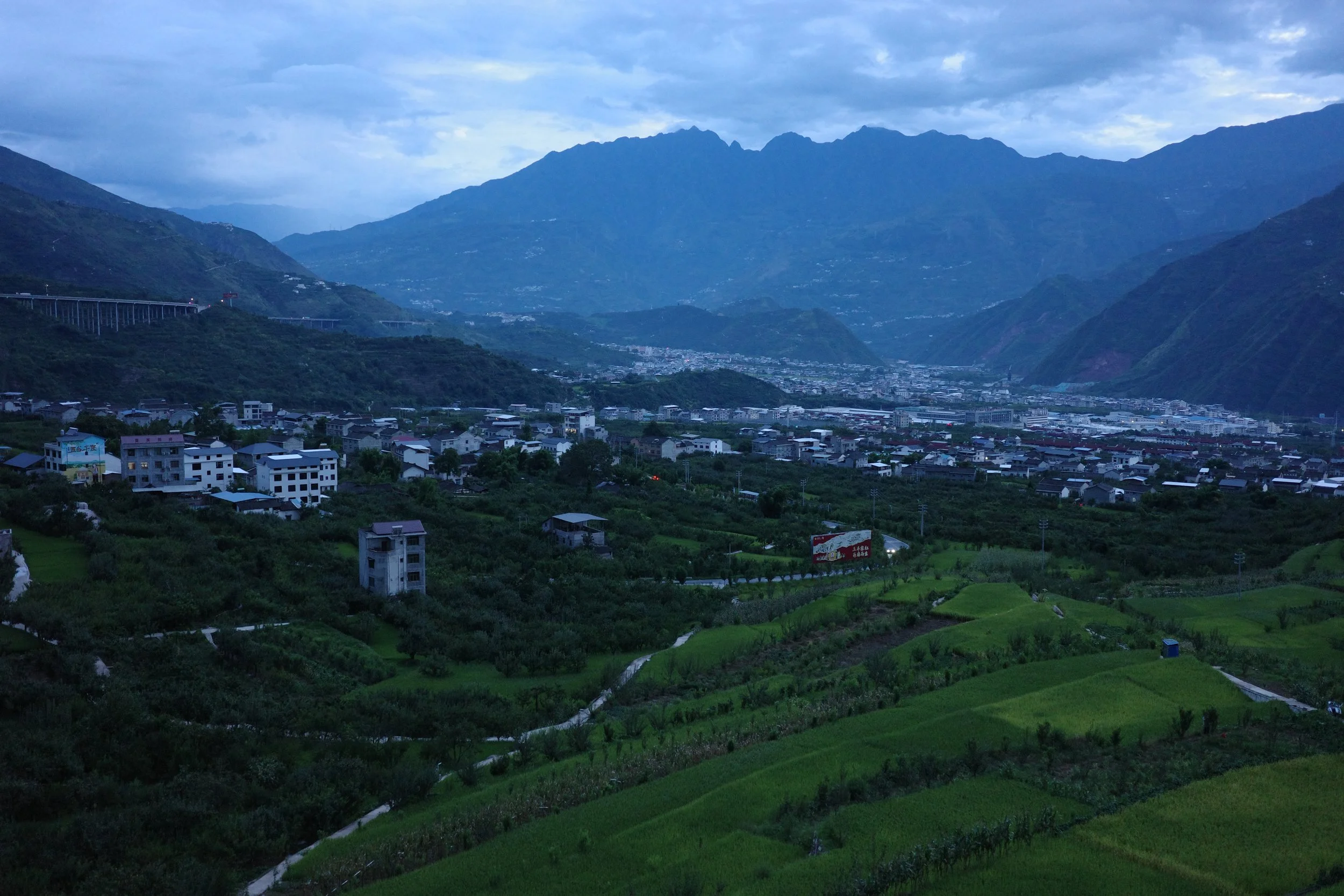
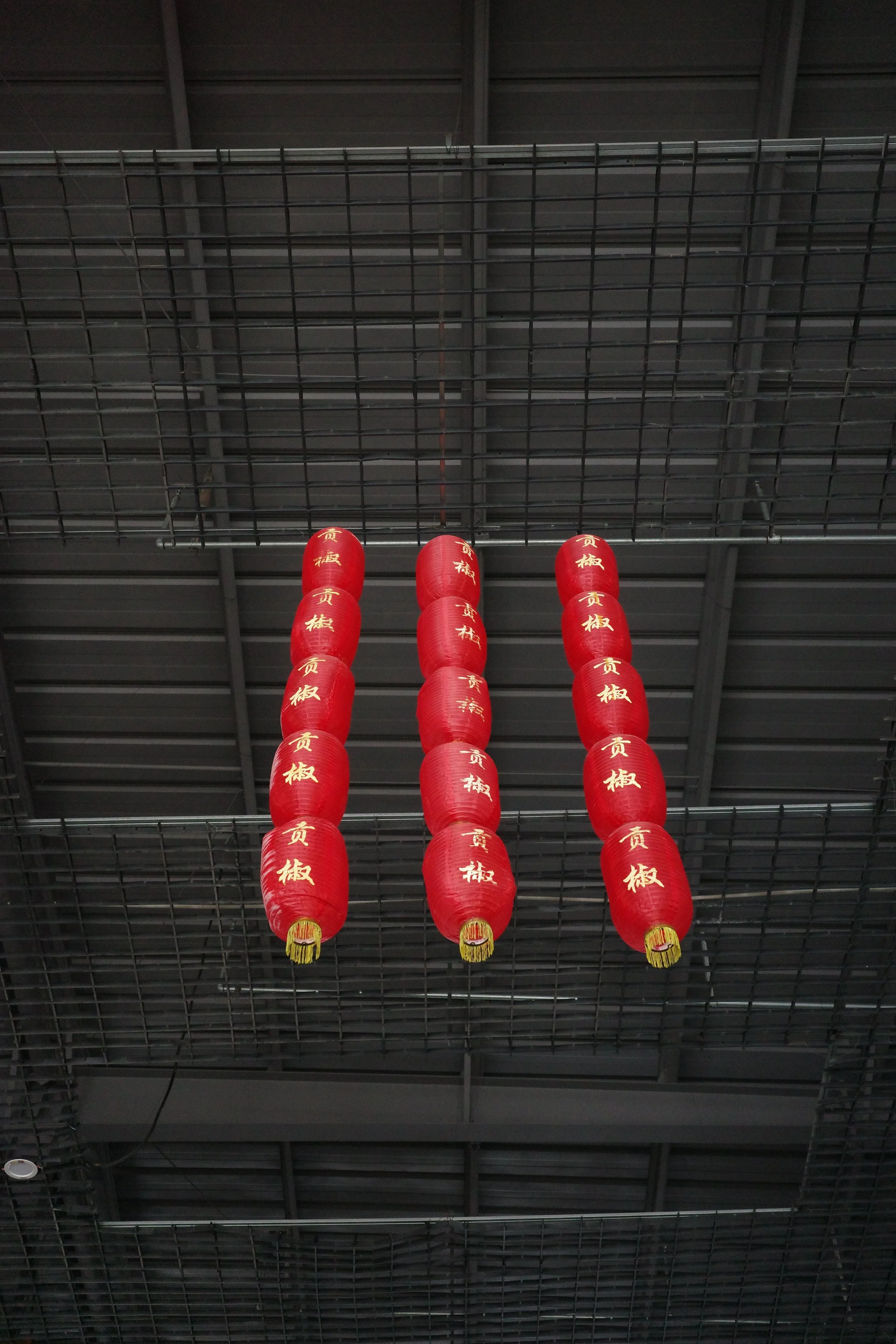
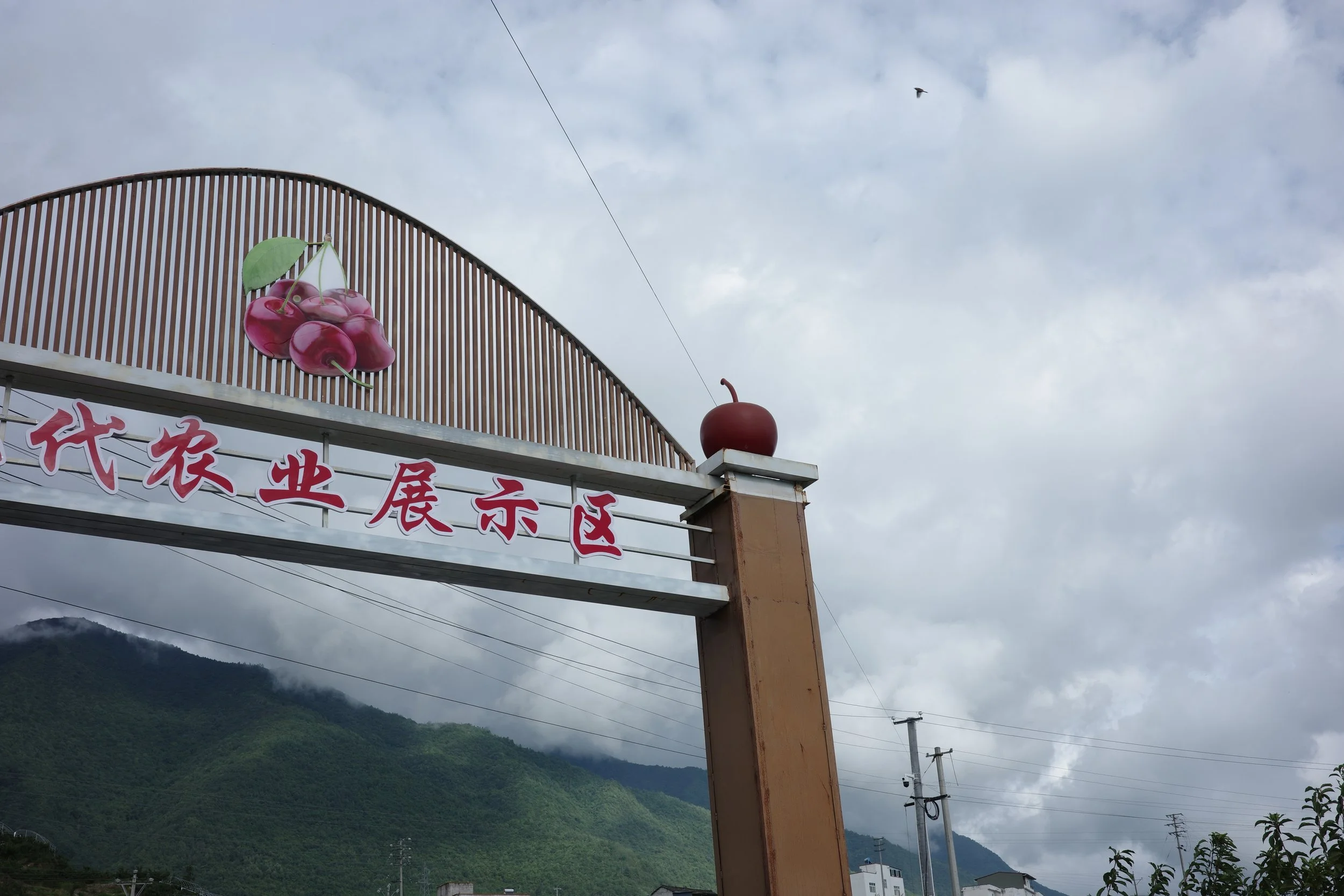
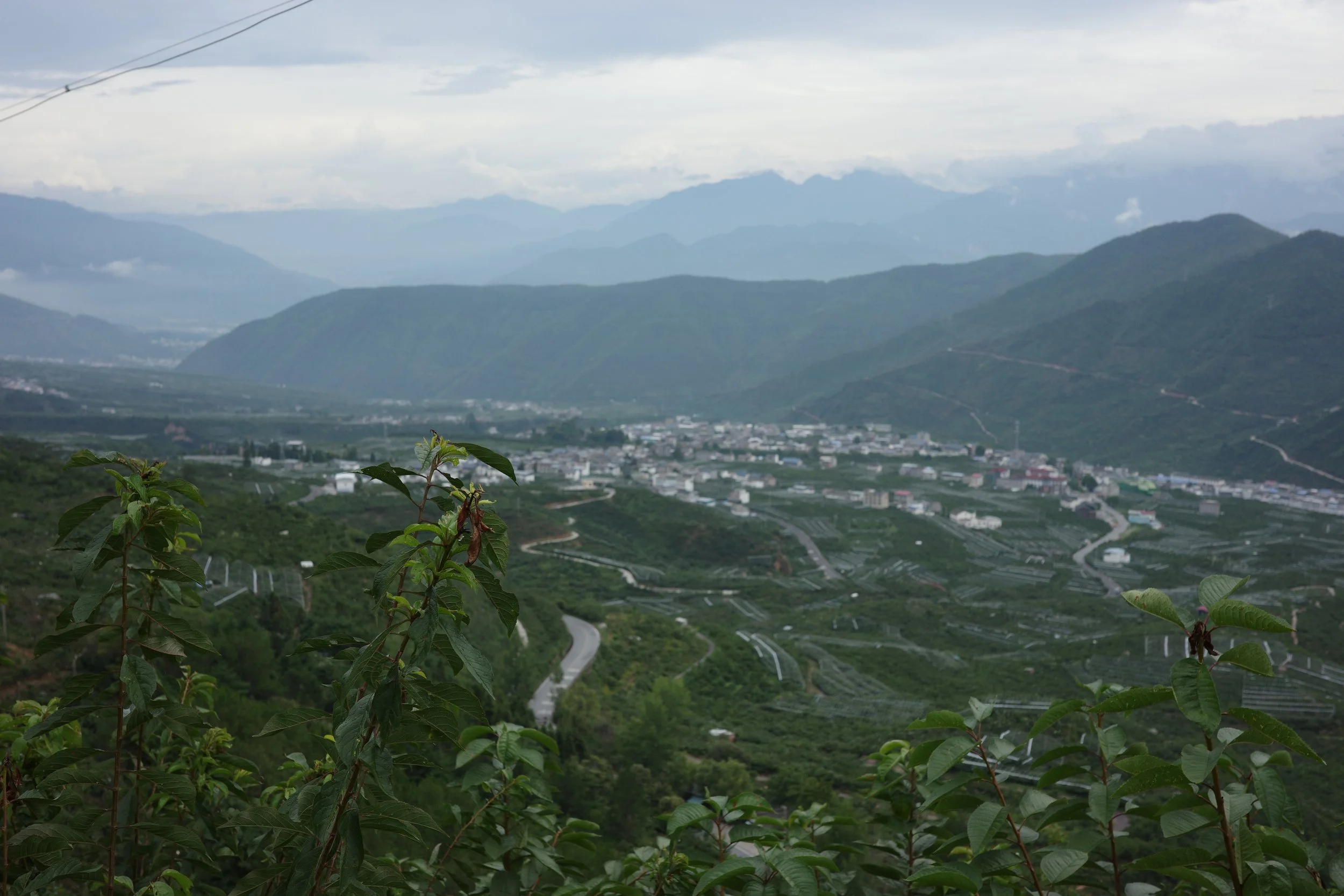
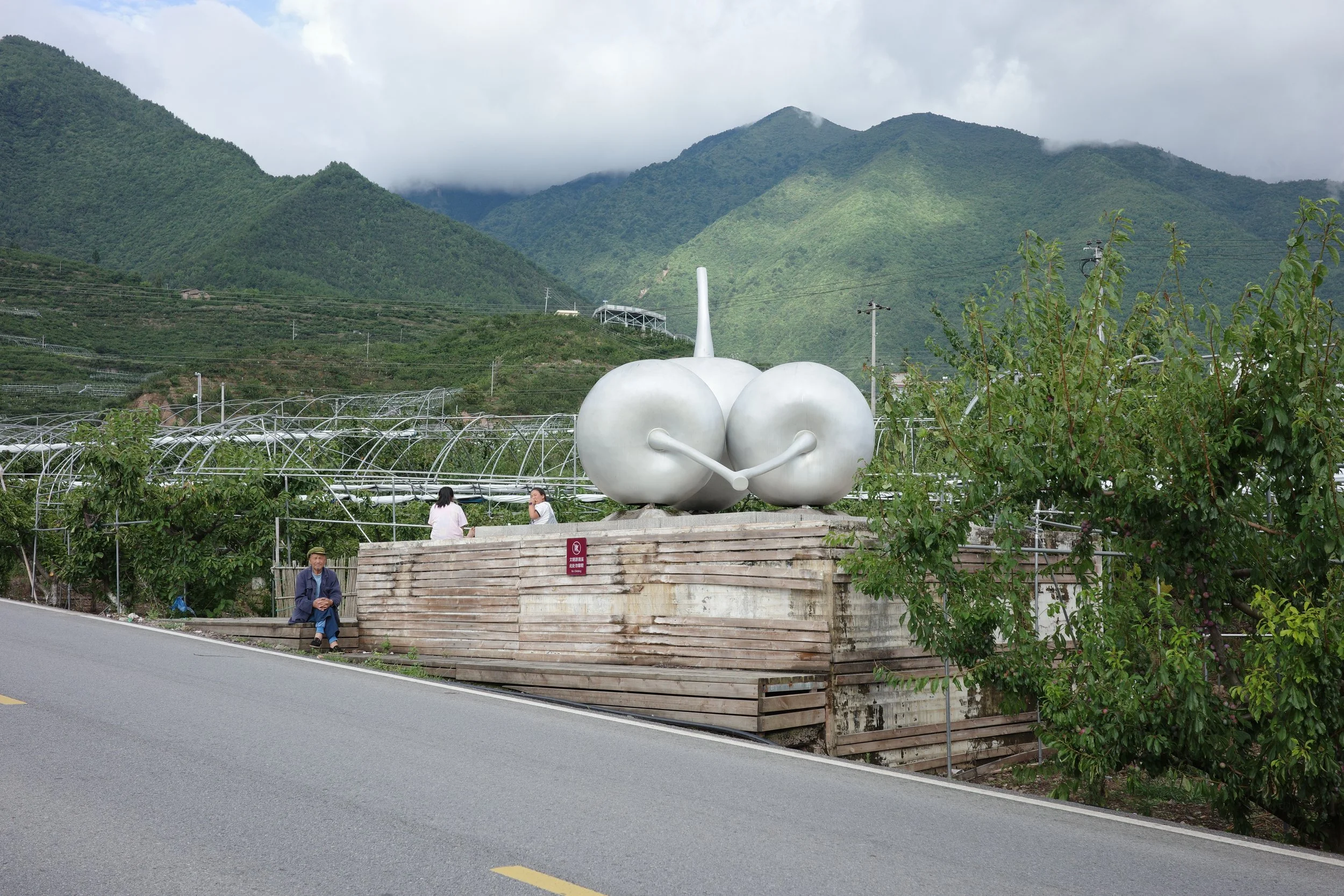
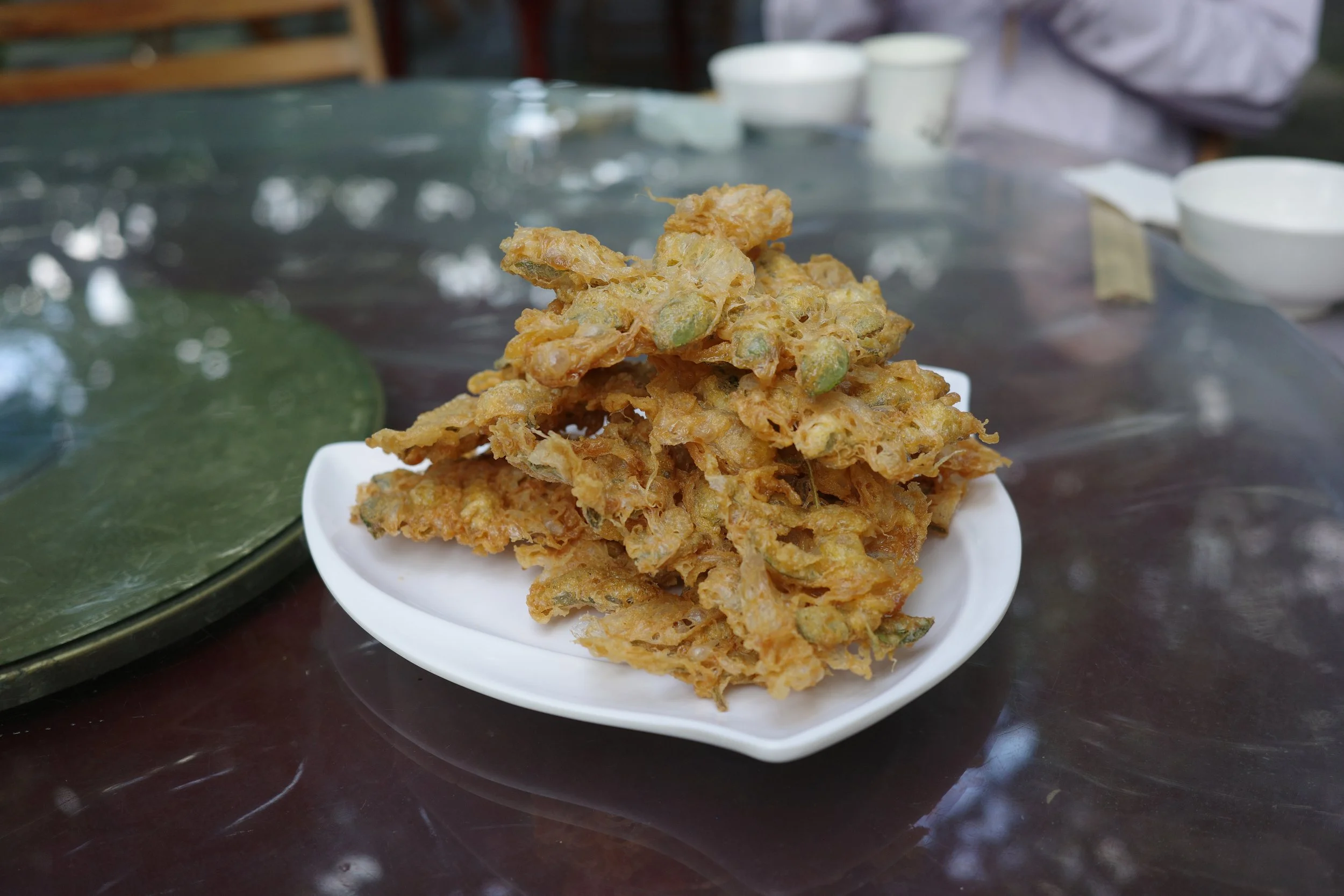
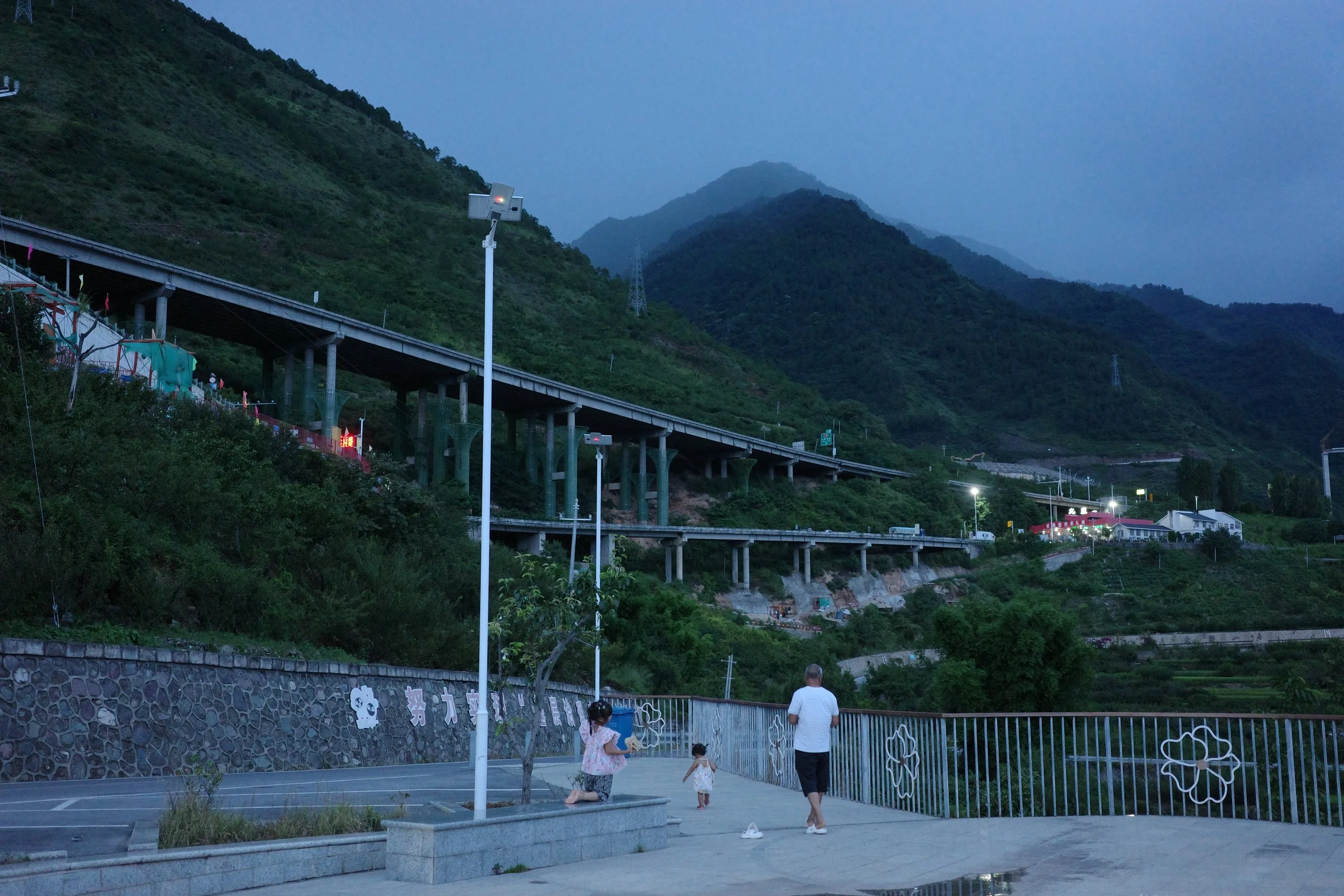
The first chapter takes place in 汉源 [Hanyuan], a region historically renowned for the production of 宫椒 [imperial-grade red Sichuan pepper], prized for its complex flavour and long associated with upper class consumption. Hanyuan Sichuan pepper has a centuries-long history as a geographically distinctive spice, supplied as tribute to the imperial courts as a culinary, medical and fragrance ingredient, establishing its reputation as a top grade agricultural product.
This reputation has historically commanded a relatively high market price, which in turn created an incentive for Sichuan pepper produced elsewhere to be brought into Hanyuan and sold or packaged under its name. The circulation of such counterfeit or falsely labelled “Hanyuan Sichuan pepper” has gradually undermined confidence in the regional product, while other, more consistently identifiable products have gained ground in markets across the province. The resulting sharp decline in prices has placed increasing pressure on local farmers, for whom the careful manual labour required to maintain the quality associated with Hanyuan Sichuan pepper has become increasingly difficult to justify economically. Faced with diminishing returns, many have begun shifting towards alternative crops.
Access to 汉源 [Hanyuan] became accelerated with the inauguration in 2012 of a high speed highway, which has precipitated the entrance of pesticides and the fast export of agricultural products, and has increased the number of jobs — attracting again young labour that had previously left to the cities.
Improved transport also enabled a shift from the export of dried Sichuan pepper, which could withstand long journeys and storage, towards more lucrative perishable fruits. Particularly significant has been the expansion of European cherry cultivation, whose popularity has been amplified through social media and a growing demand from bubble tea chains across the country. Old Sichuan pepper trees are cut down to make way for the new crop, a crop more more susceptible to climate change than its predecessor, but requiring a lot less manual labour — offering farmers considerably higher returns if successful.
The reality of this agricultural transformation, however, reflects the volatility of the market itself. As Sichuan pepper prices fell, farmers began cutting down their trees and shifting to cherries. With fewer pepper trees left, however, production declined and prices began to rise again. Meanwhile, the rapid expansion of cherry cultivation left farmers increasingly exposed to poor harvests and falling returns when weather conditions turned unfavourable. By then, however, the Sichuan pepper trees had already disappeared, and re-growing them would take years. Farmers have become, therefore, at the mercy of a market that changes far more rapidly than the plant’s own ability to grow.
Hongya
洪雅
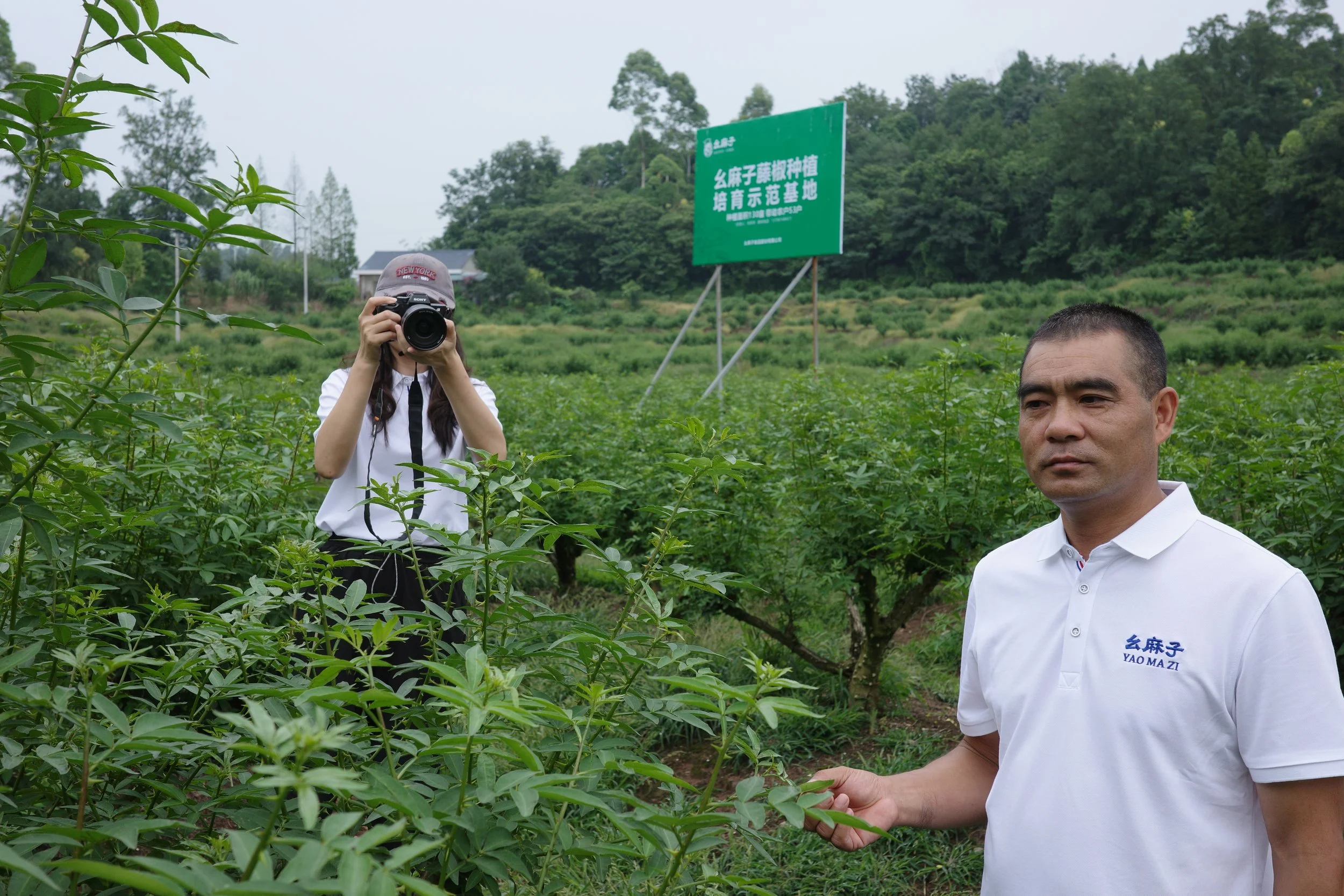
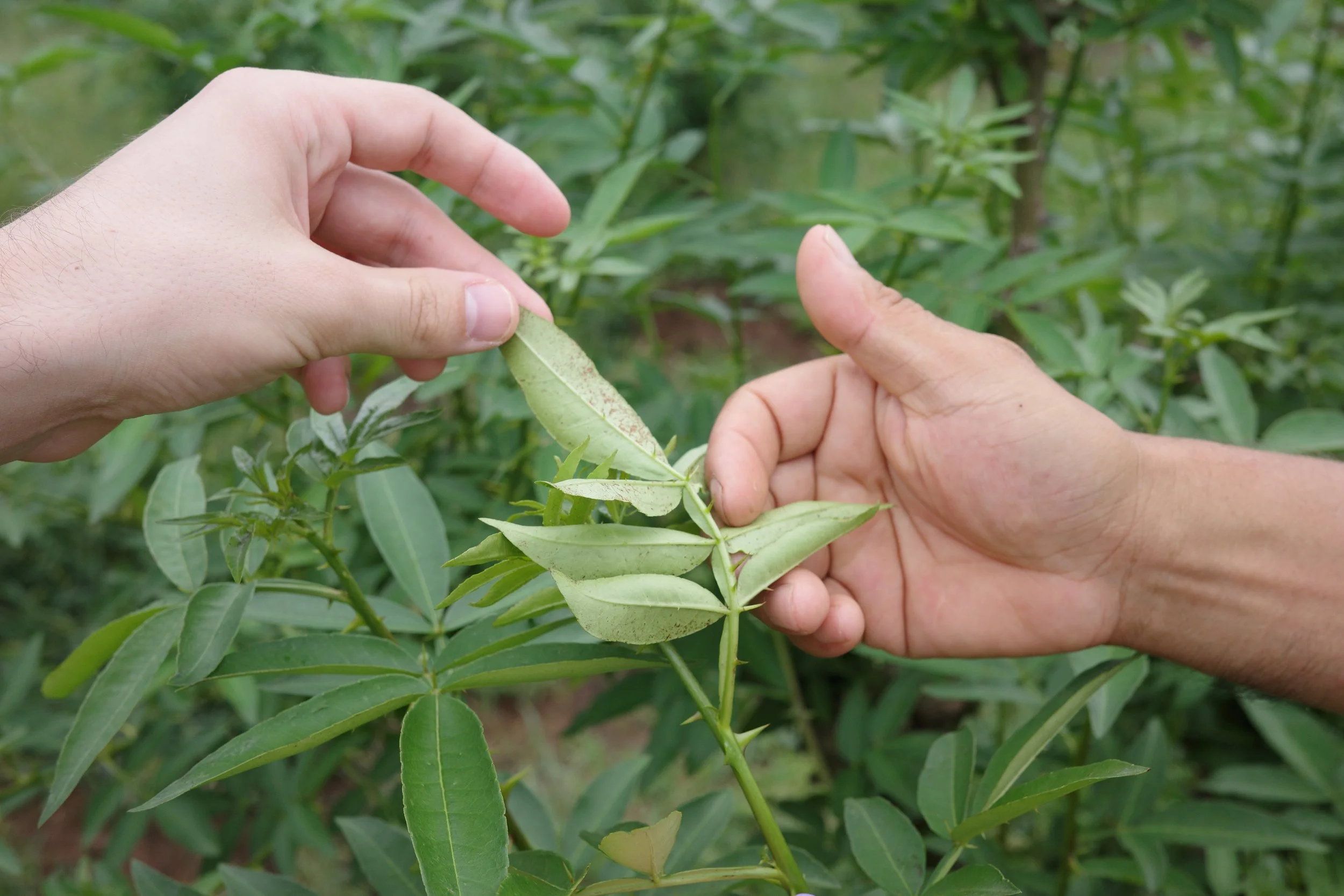
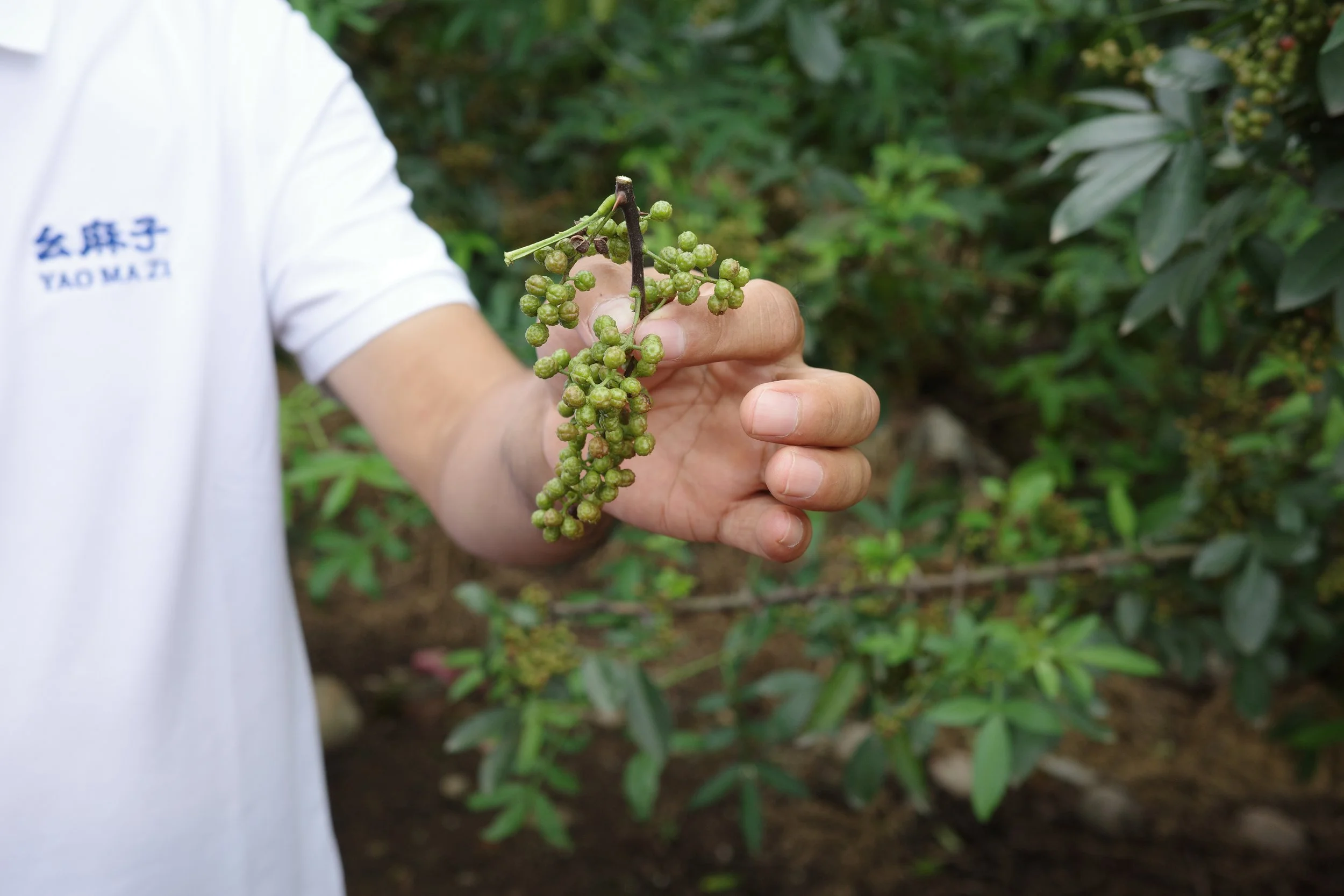
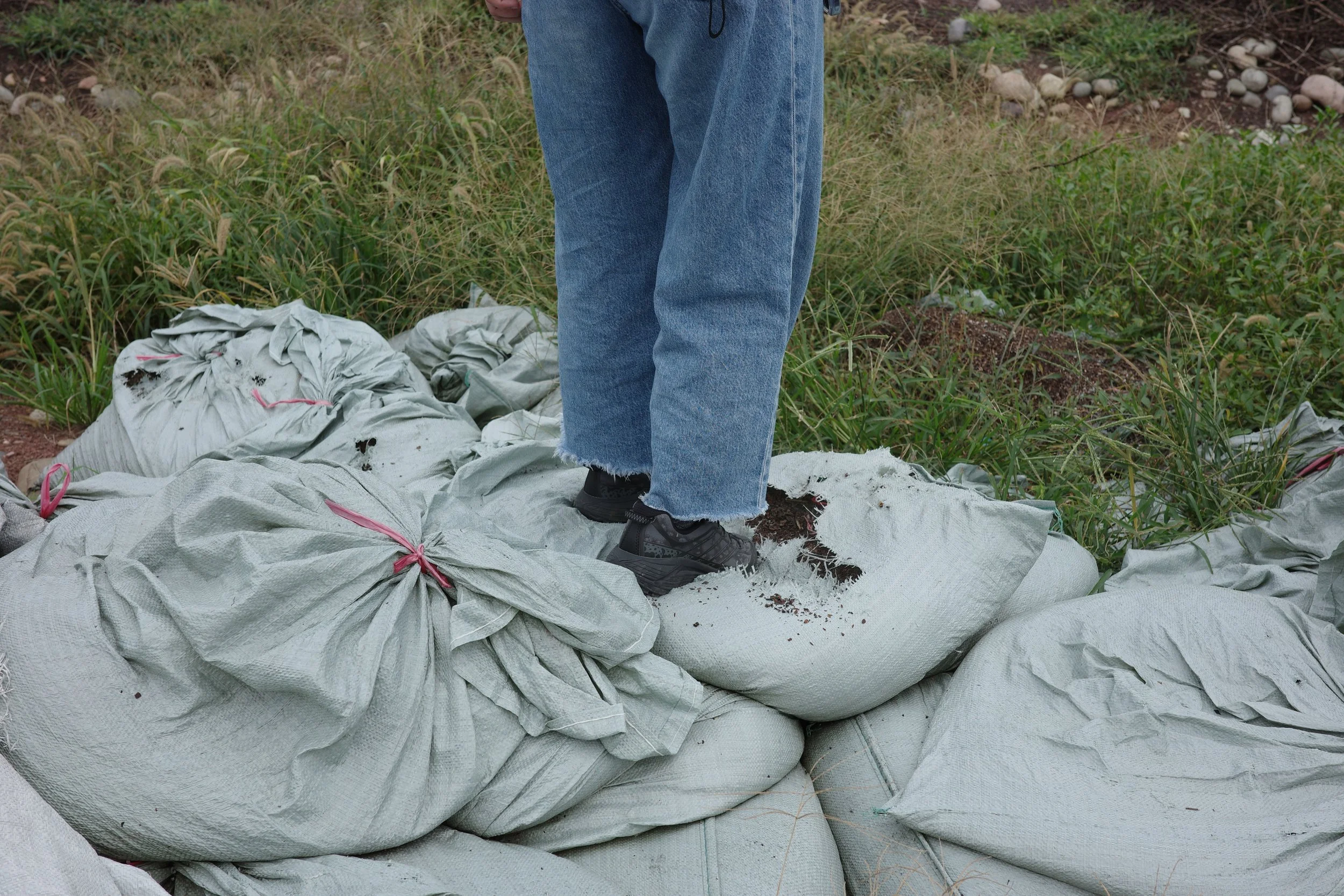
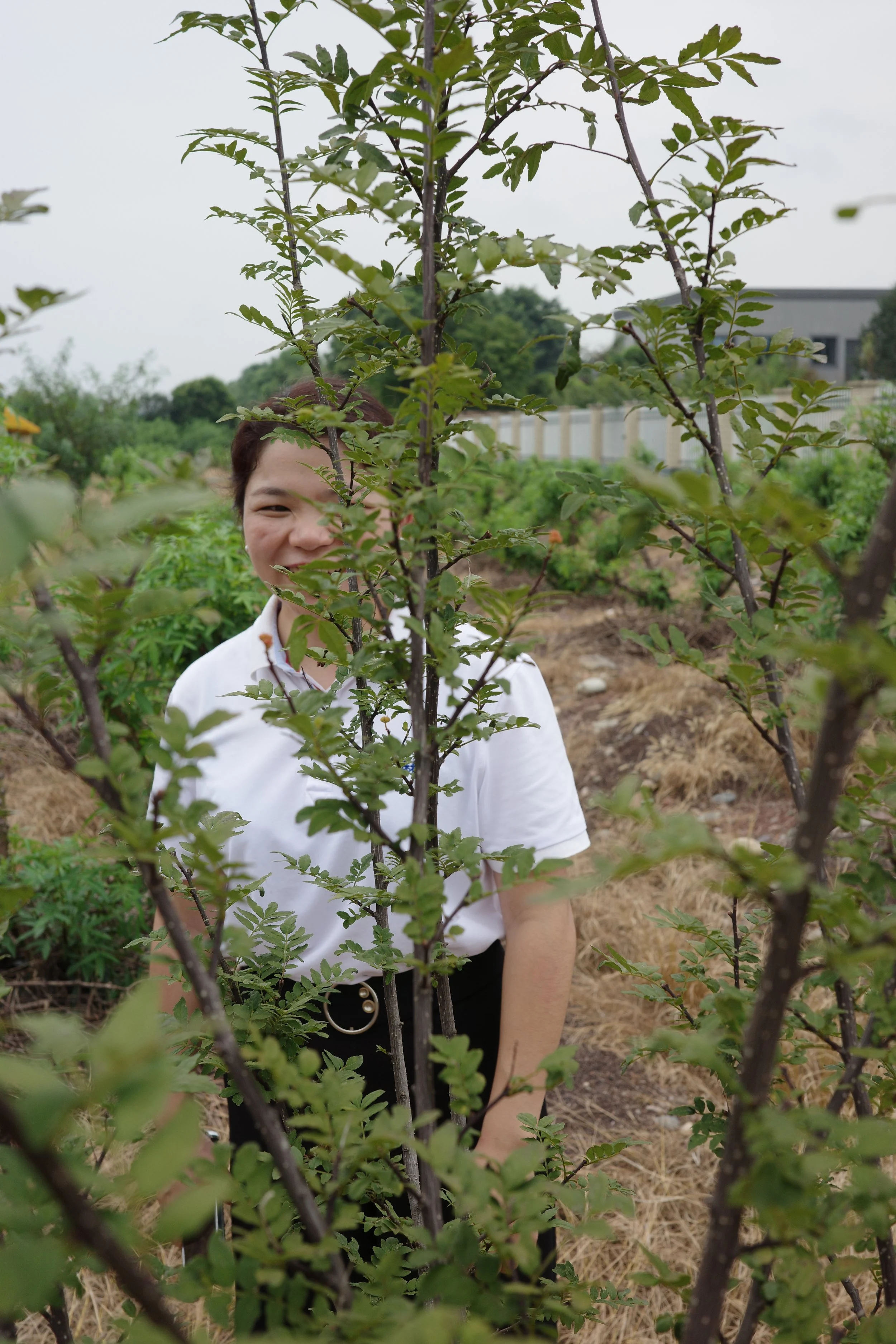
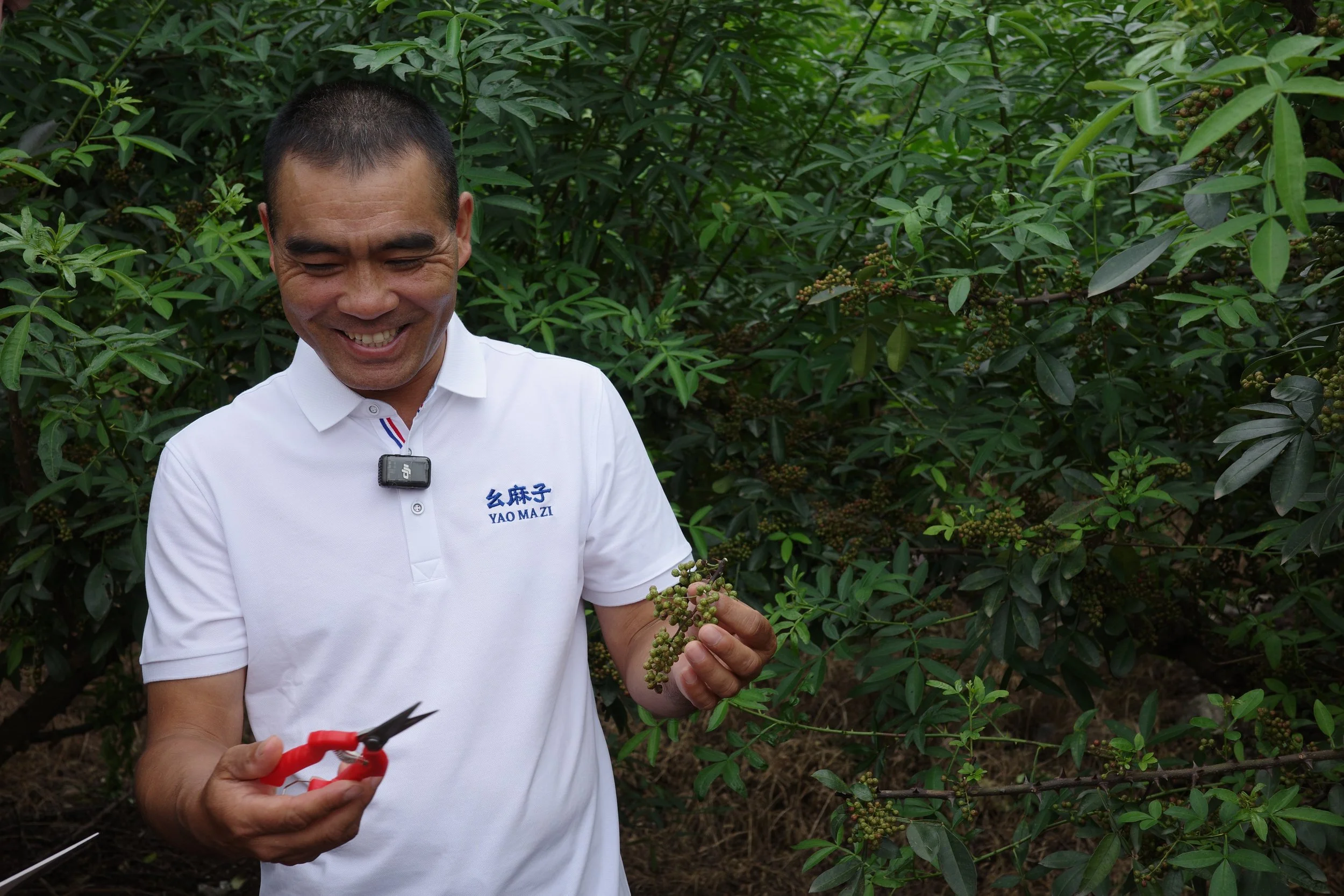
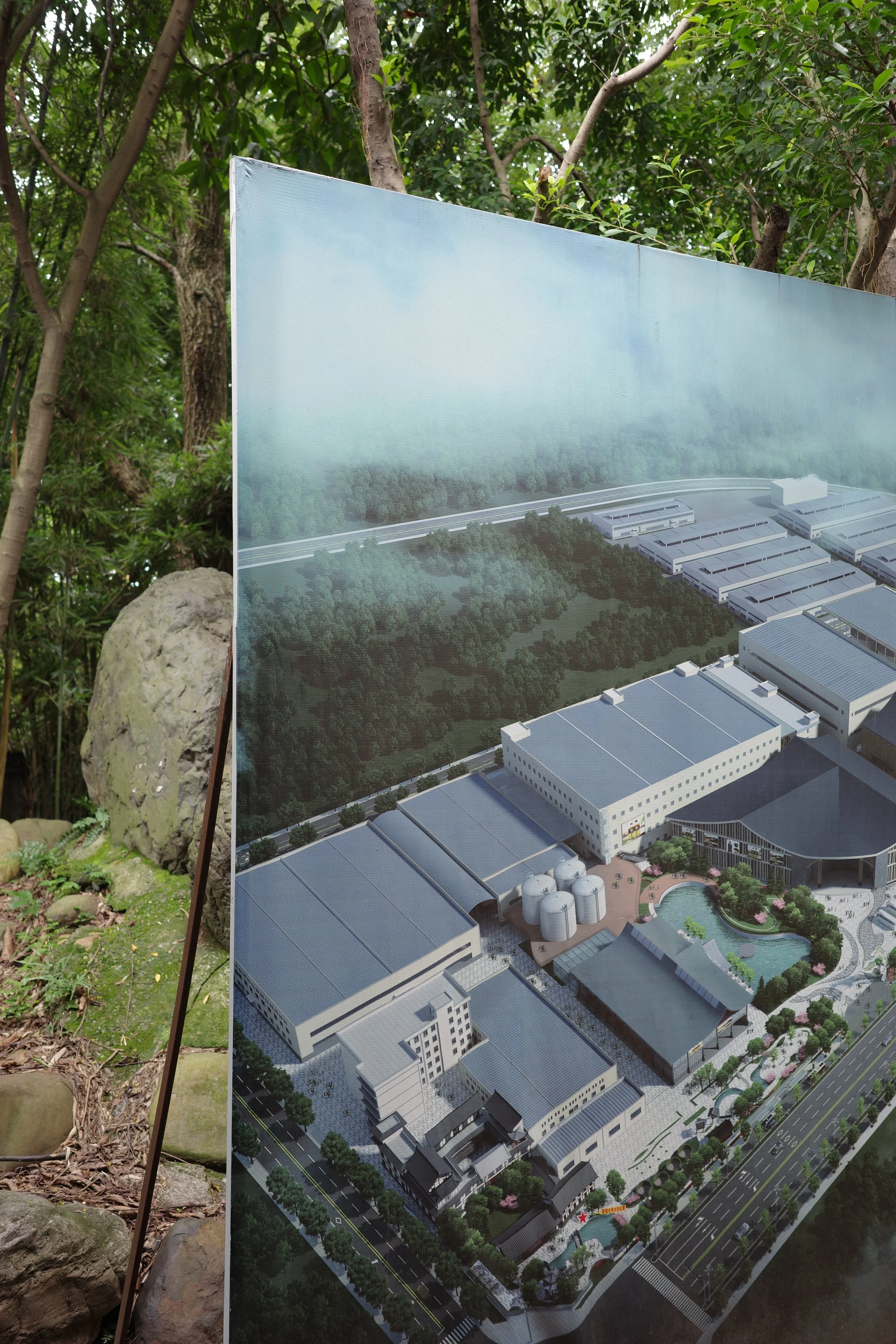
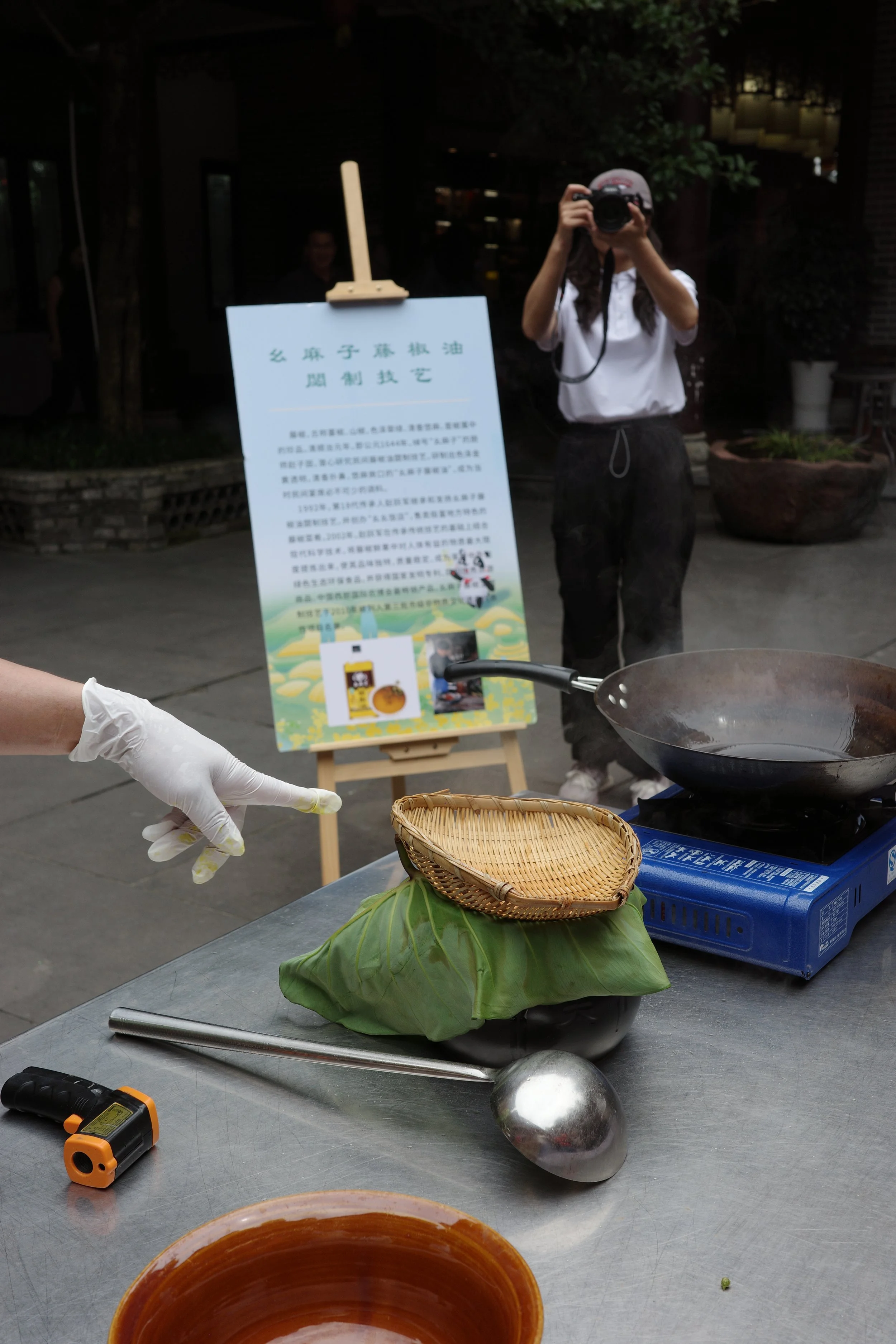
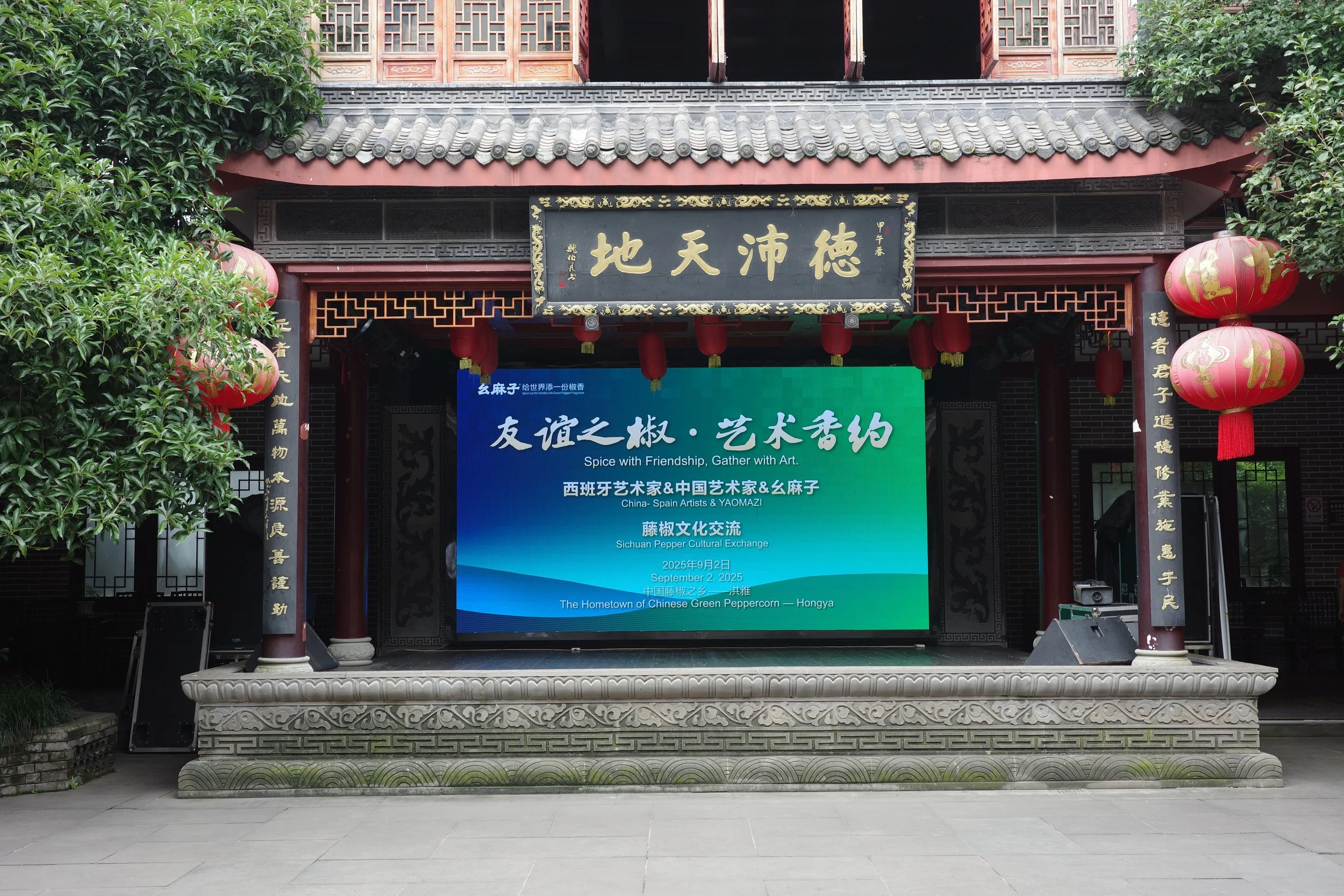
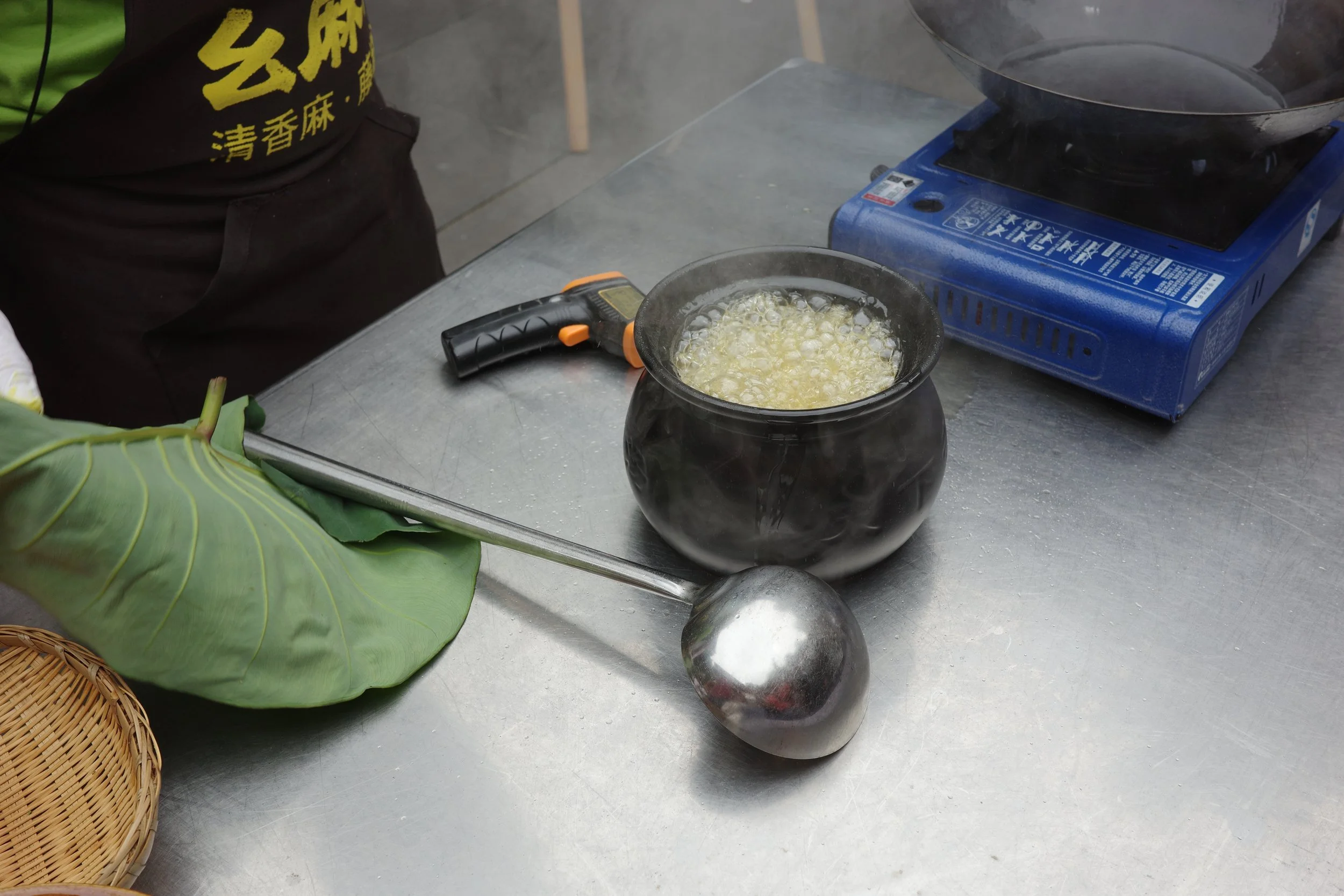
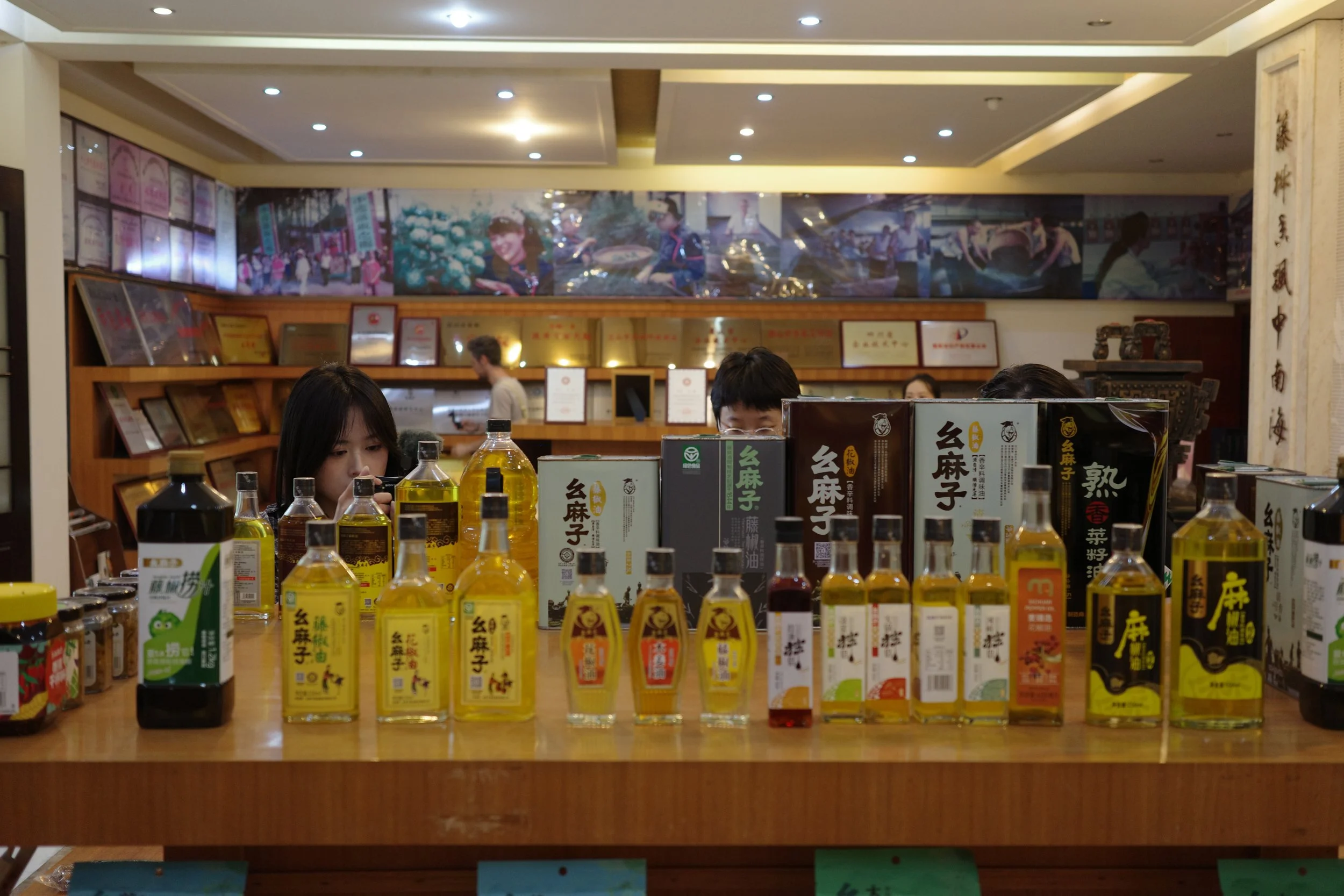
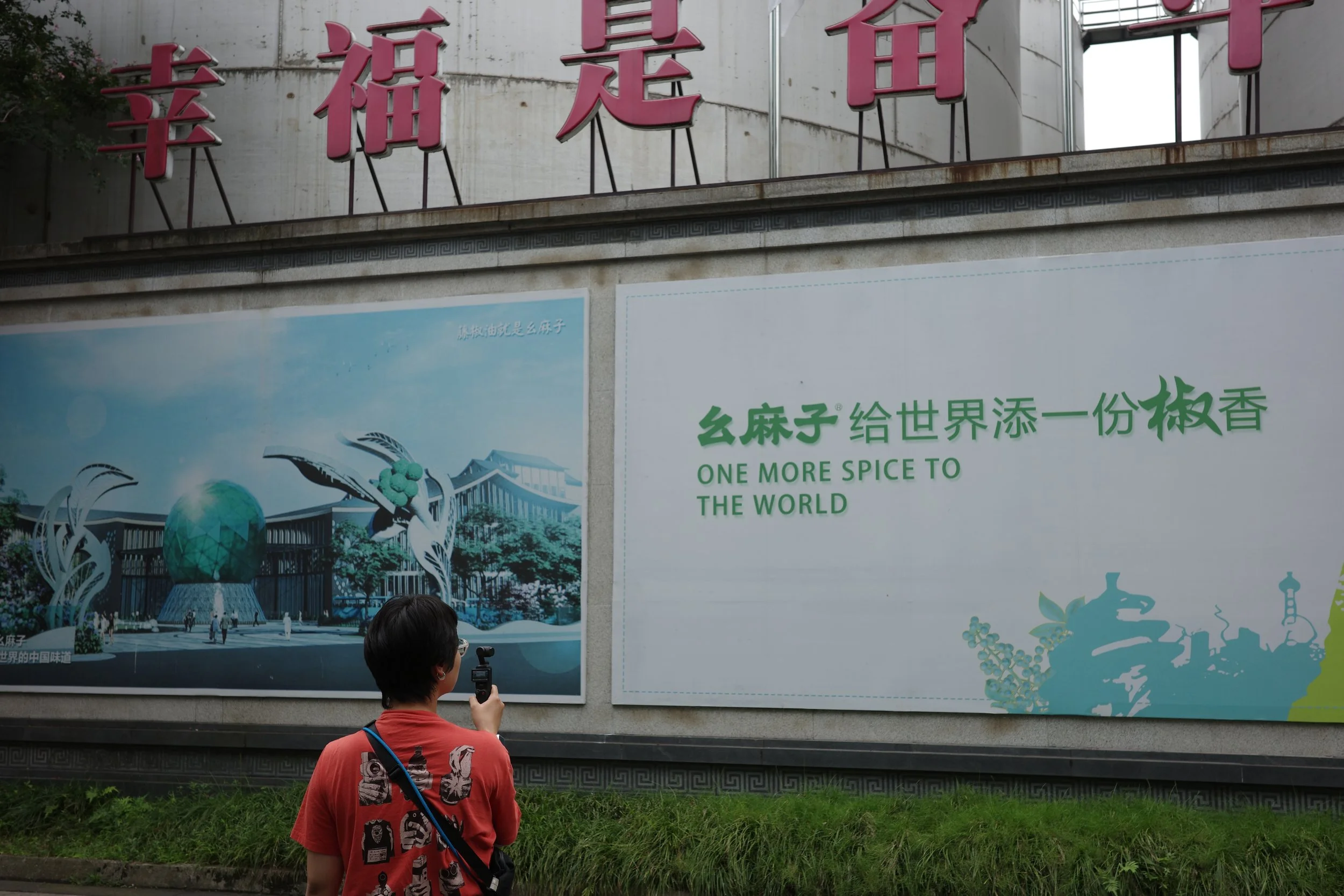

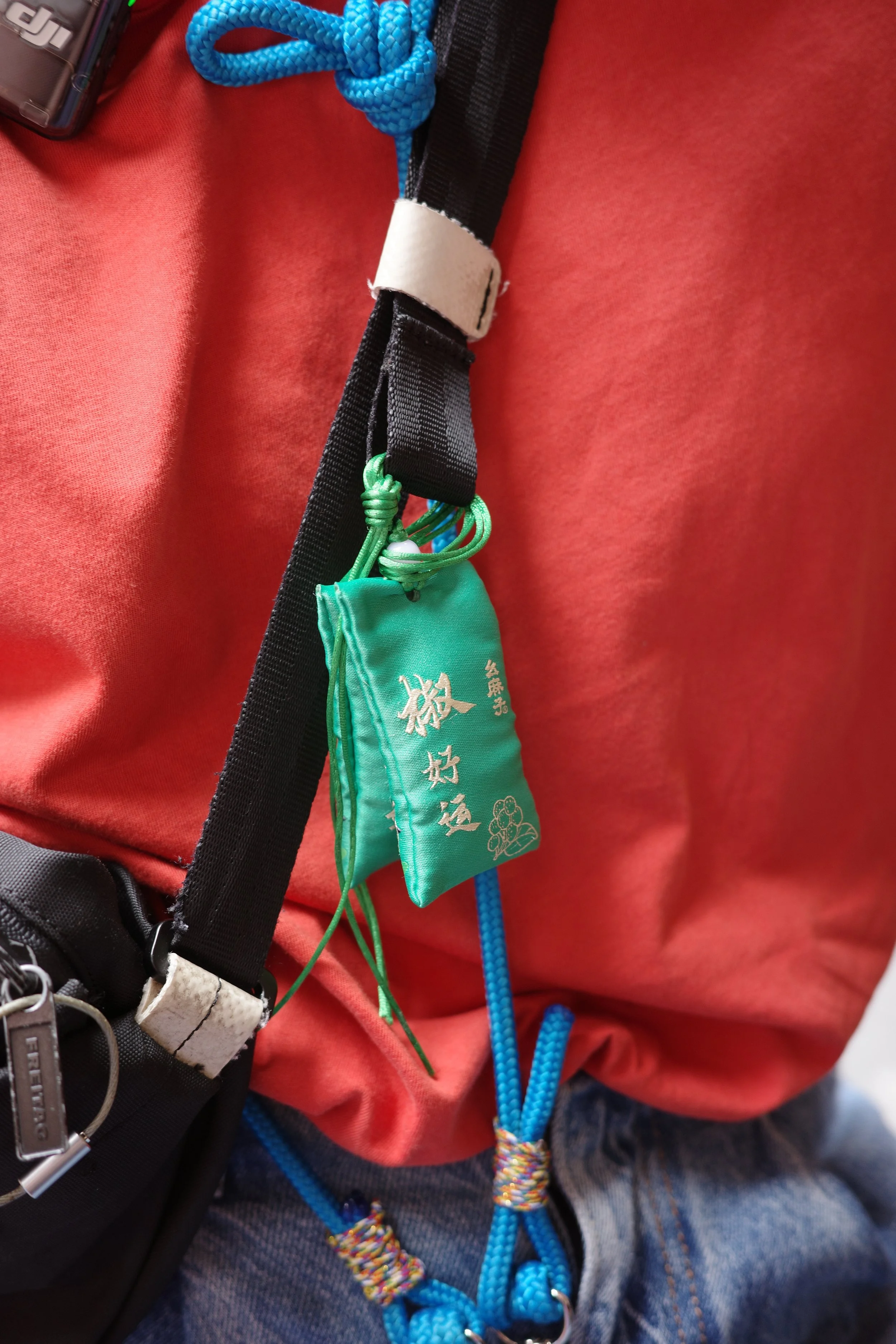
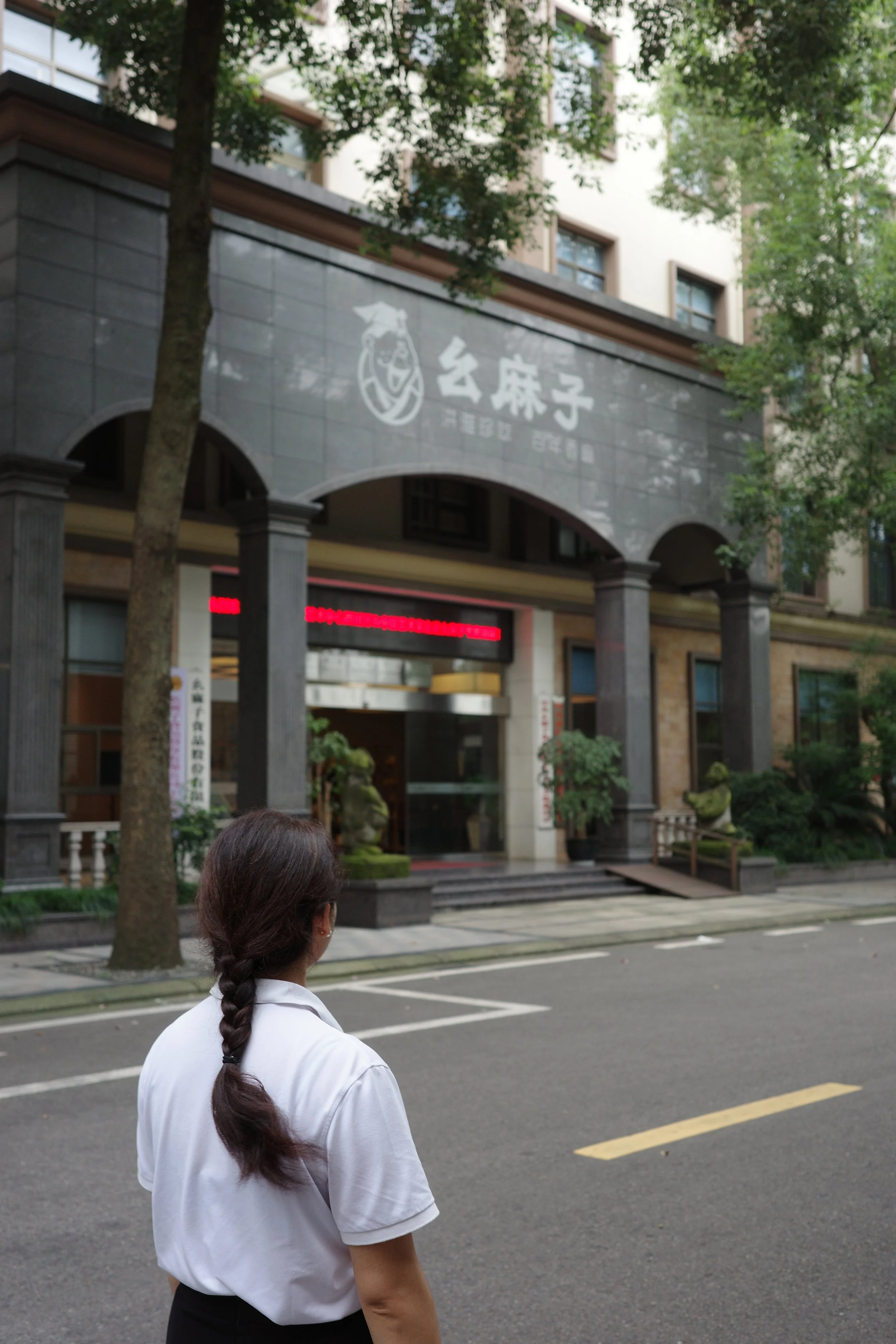
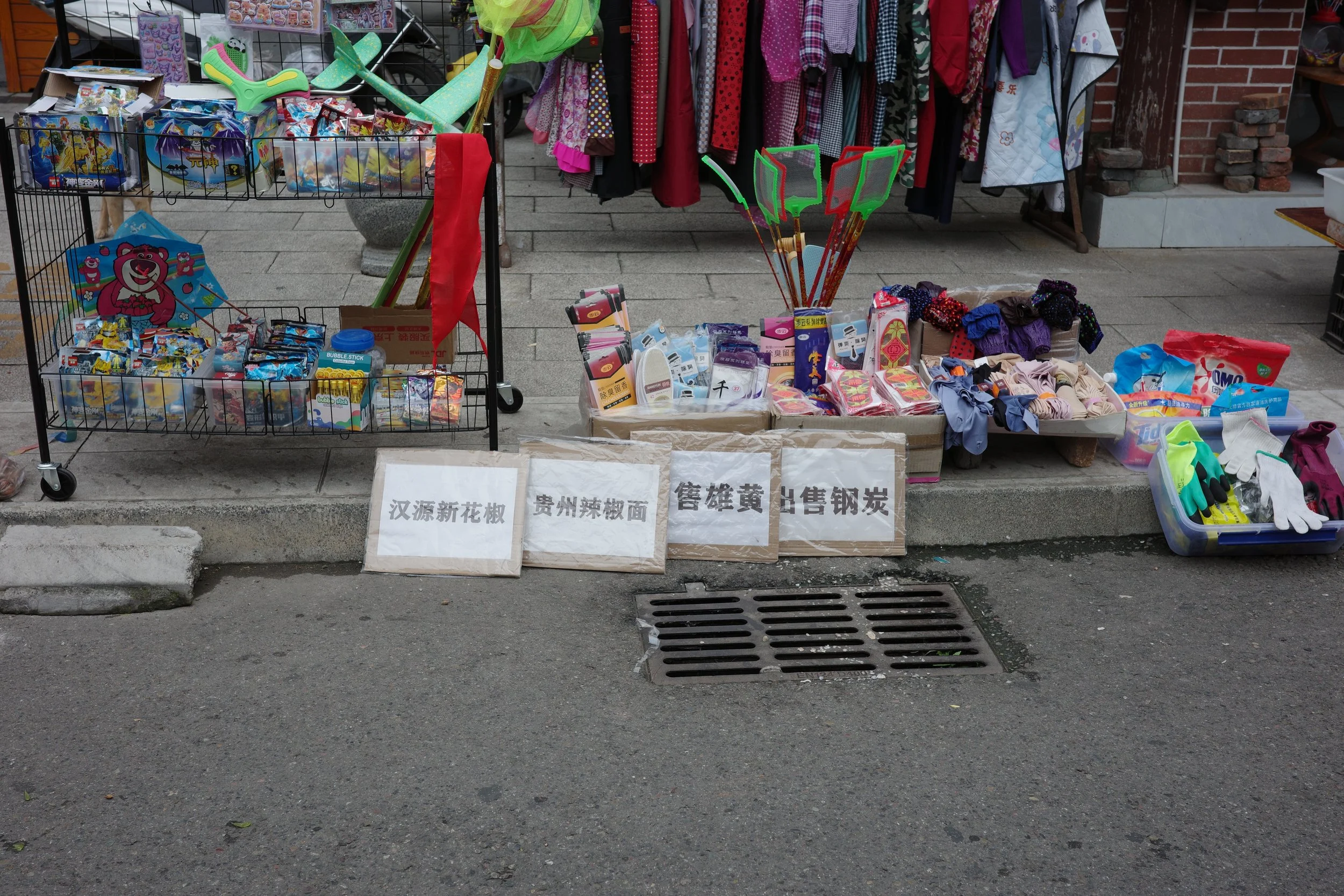

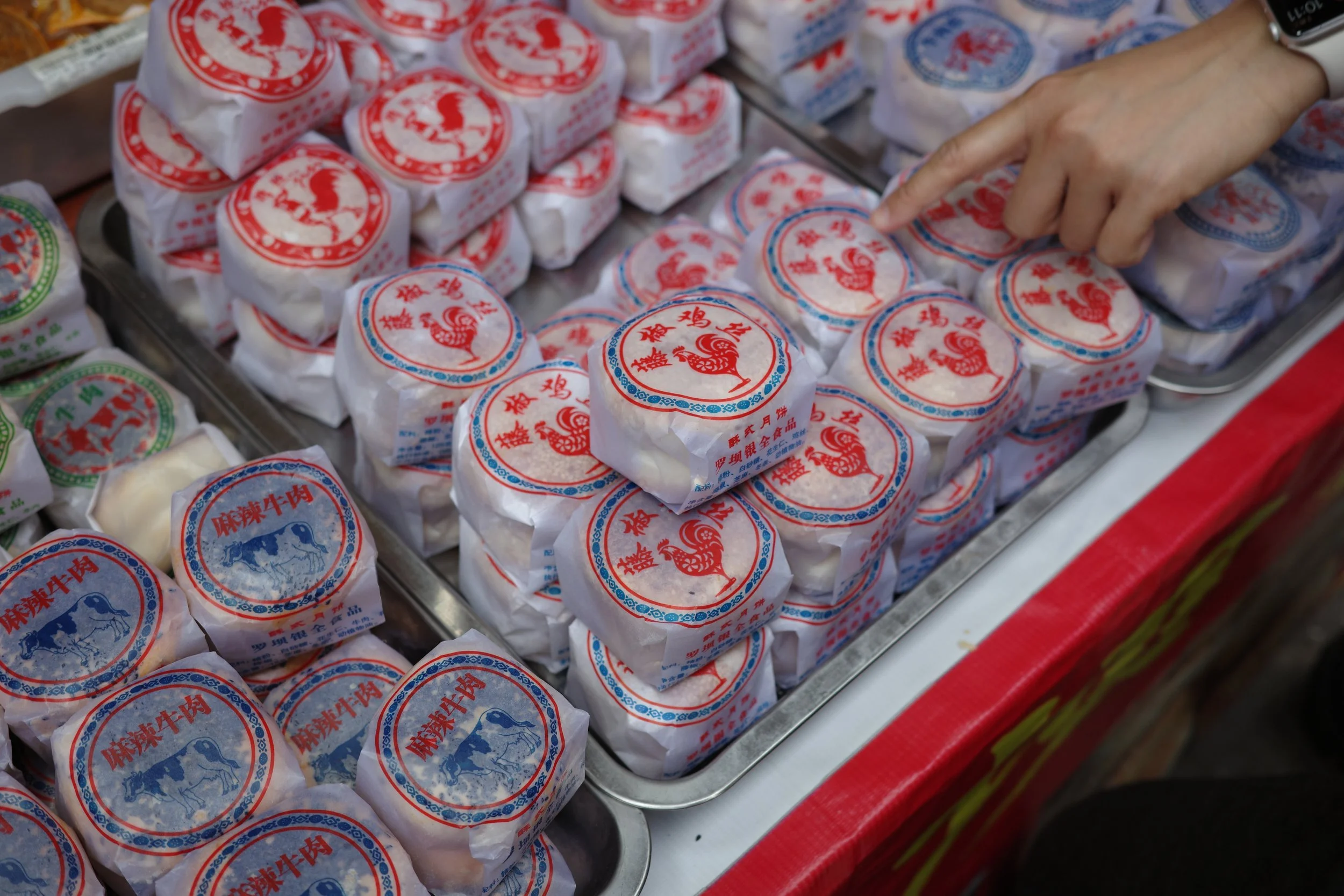
The second chapter takes place in 洪雅 [Hongya], and follows the industrial production of 藤椒油 [tengjiao green Sichuan pepper oil]. 藤椒 [tengjiao Sichuan pepper] is a modern green Sichuan pepper cultivar. 洪雅藤椒 [Hongya tengjiao] was developed through a modern breeding program initiated by a team at Sichuan Agricultural University around 2003. It received variety recognition in 2008 and was formally approved in 2015. This cultivar was selected for its high yield and large fruit, creating reliable agricultural raw material with characteristics useful to industry. This new variety has a higher volatile oil content, which means that when died, a part of its characteristic fragrance gets lost. Because of this, 藤椒 [tengjiao] is usually harvested and immediately processed into Sichuan pepper oil, which allows optimally capturing its aroma.
This oil has become a popular export product, as it preserves the fragrance of Sichuan pepper and its numbing qualities at its freshest point, and has a much longer shelf life than its dry counterpart. The combination of higher yields, a stable shelf life that facilitates export, and a more controlled production environment has made 藤椒油 [tengjiao oil] into a product that is readily accessible on global markets. It has become one of the flagship products through which the distinctive flavours of Sichuan cuisine have gained international recognition—a remarkable development for a product that has only recently come into existence. This new oil has a sharper aroma than other cultivars and a more mellow numbing sensation, as well as less bitterness, which makes it perfect for the unaccustomed palate. An interesting phenomenon tied to its expansion and accessibility is that it slowly is changing the taste profiles of Sichuan cuisine both outside and inside the province, and with it, the identities formed around it.
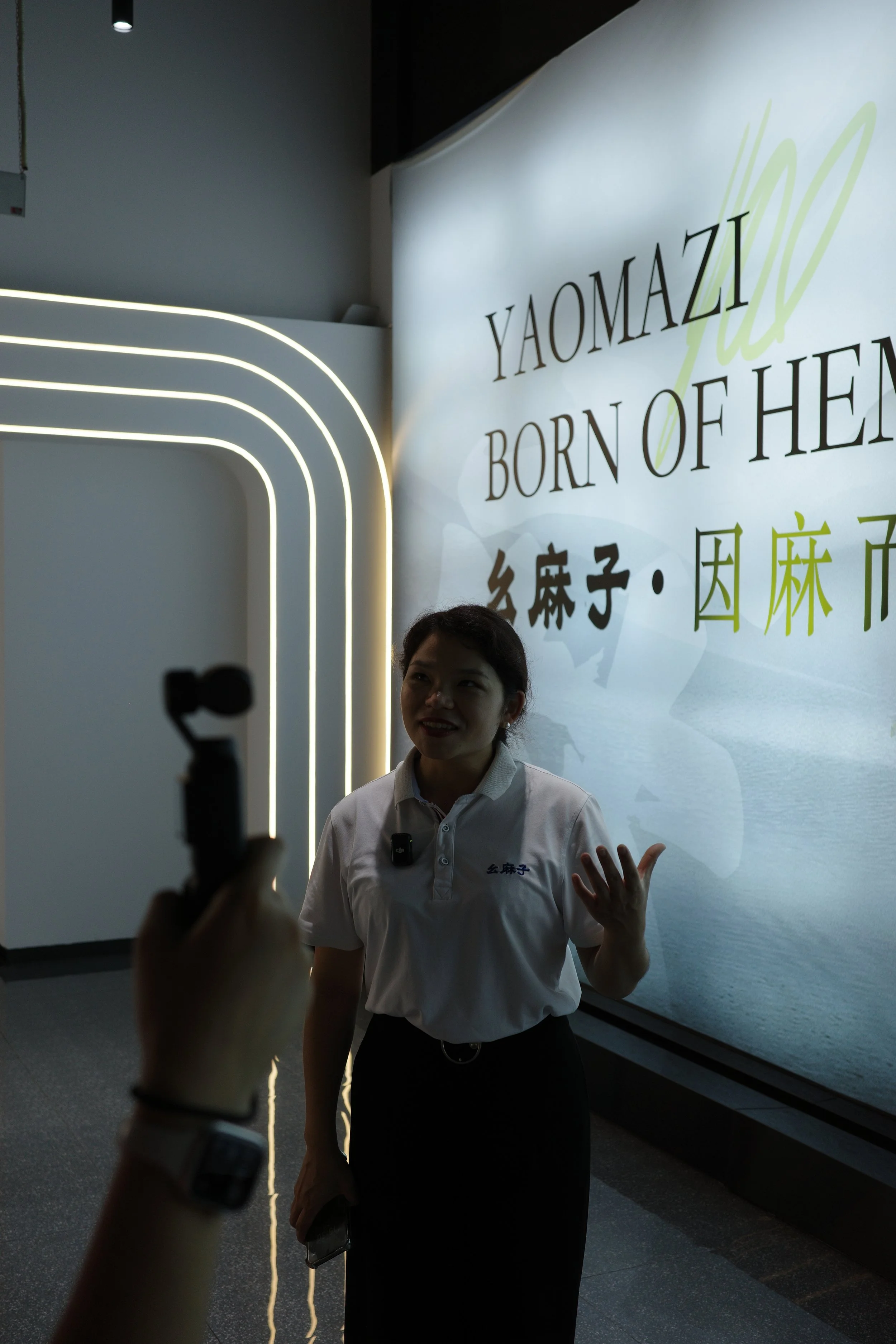
In the 藤椒 [tengjiao] capital, we visited the 幺麻子 [Yaomazi] factory, which produces the Sichuan pepper oil we had been using to cook Sichuan dishes all the way across the world, in our Berlin kitchens. 幺麻子 [Yaomazi] developed over several decades from a small-town restaurant into a large-scale food manufacturer with global sales. Throughout the visit, almost every question seemed to have a clear answer. Experimental gardens, laboratories, production lines, testing facilities, an R&D centre and large meeting rooms formed a complete and highly legible system that transformed fresh 藤椒 [tengjiao] into an oil with a consistent, stable and predictable flavour that could be stored and transported over huge distances.
Jinyang
金阳
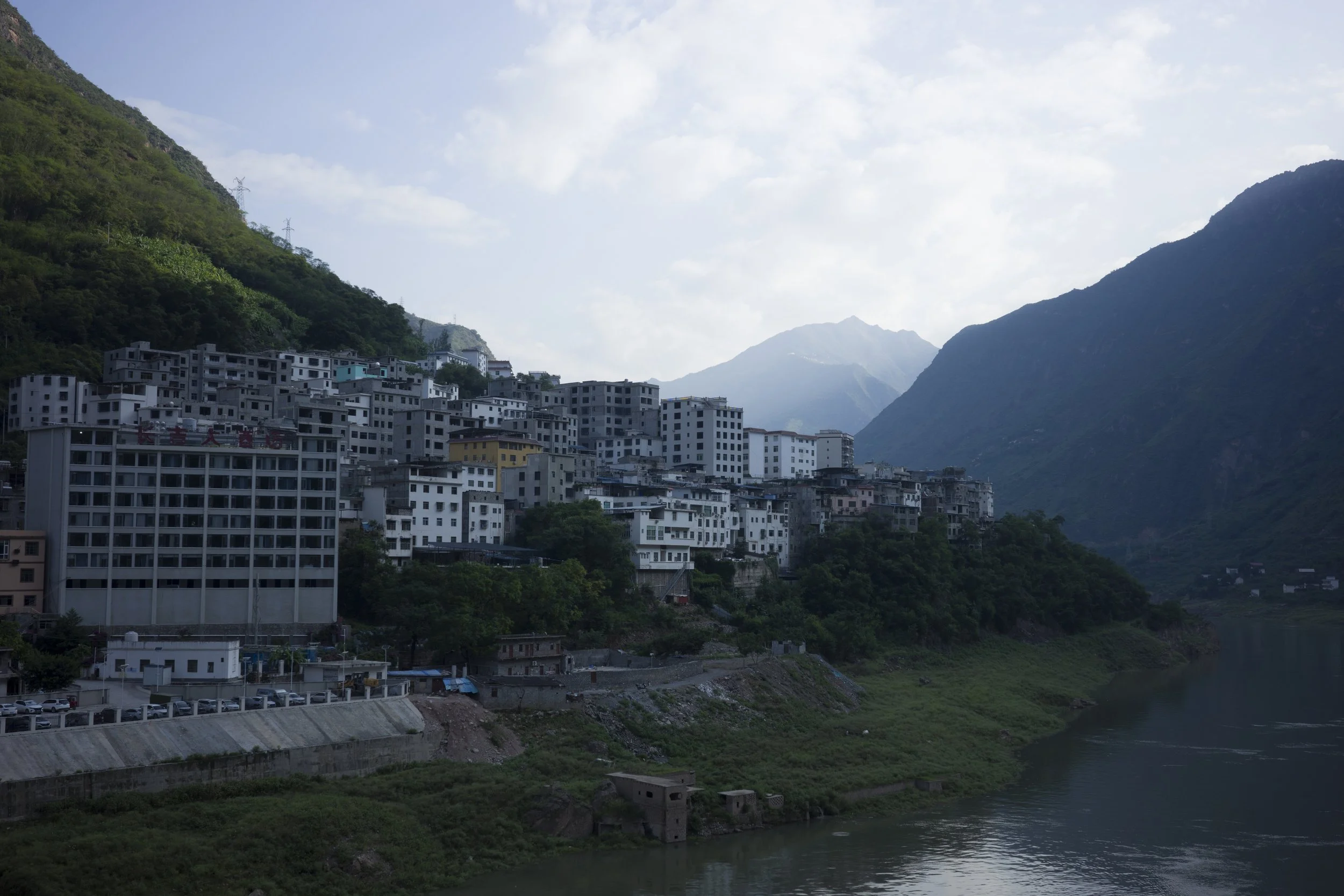
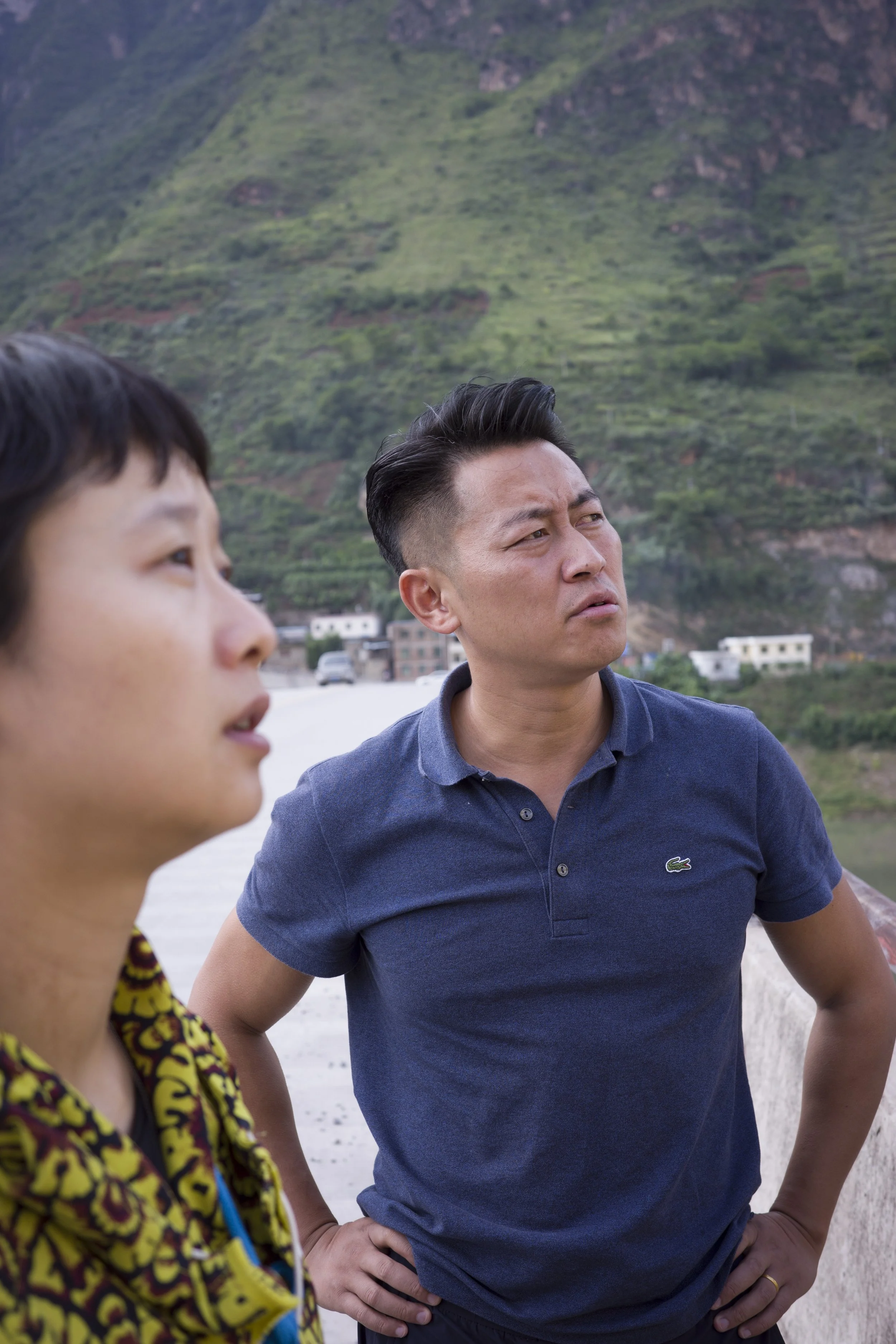
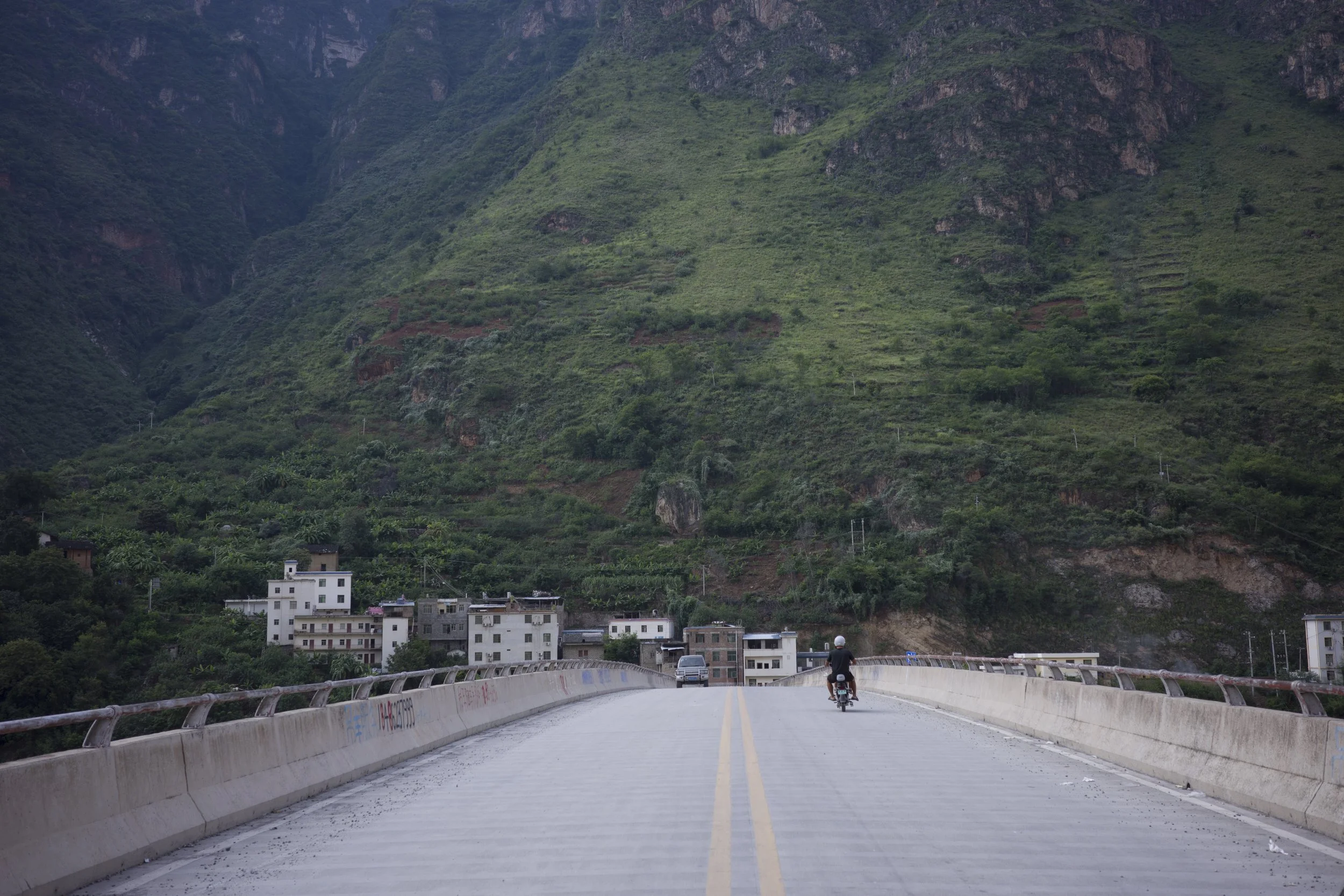
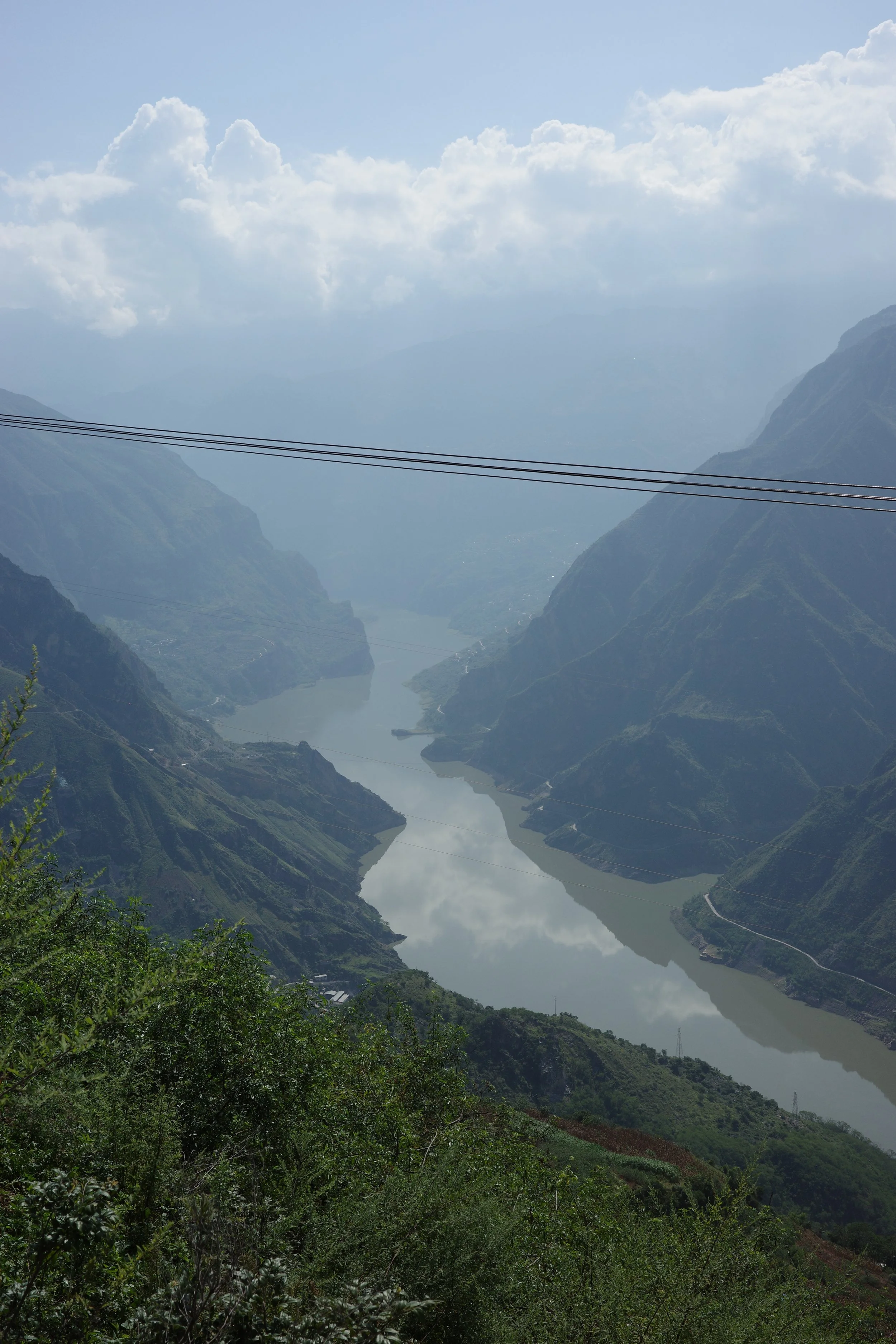


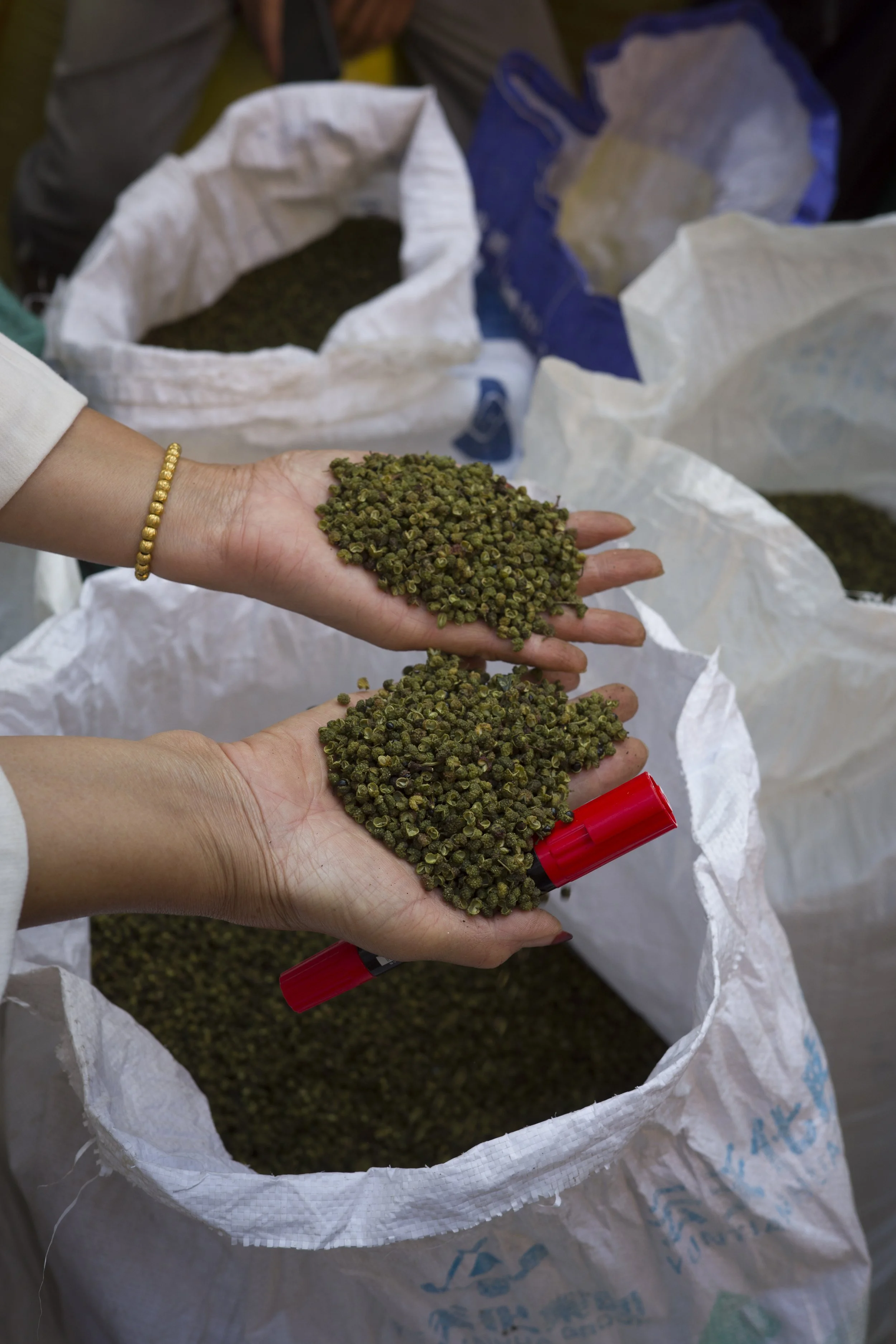
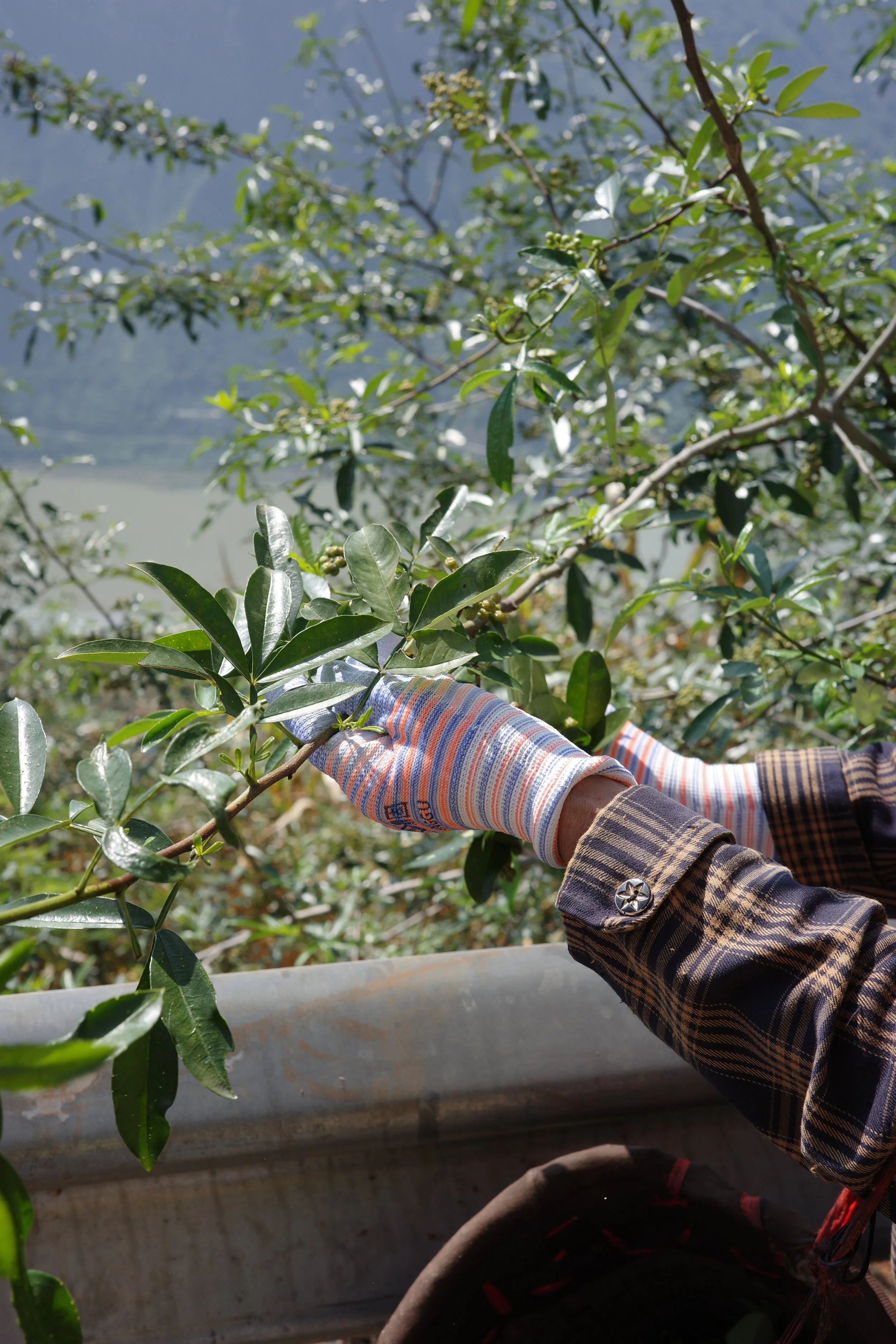
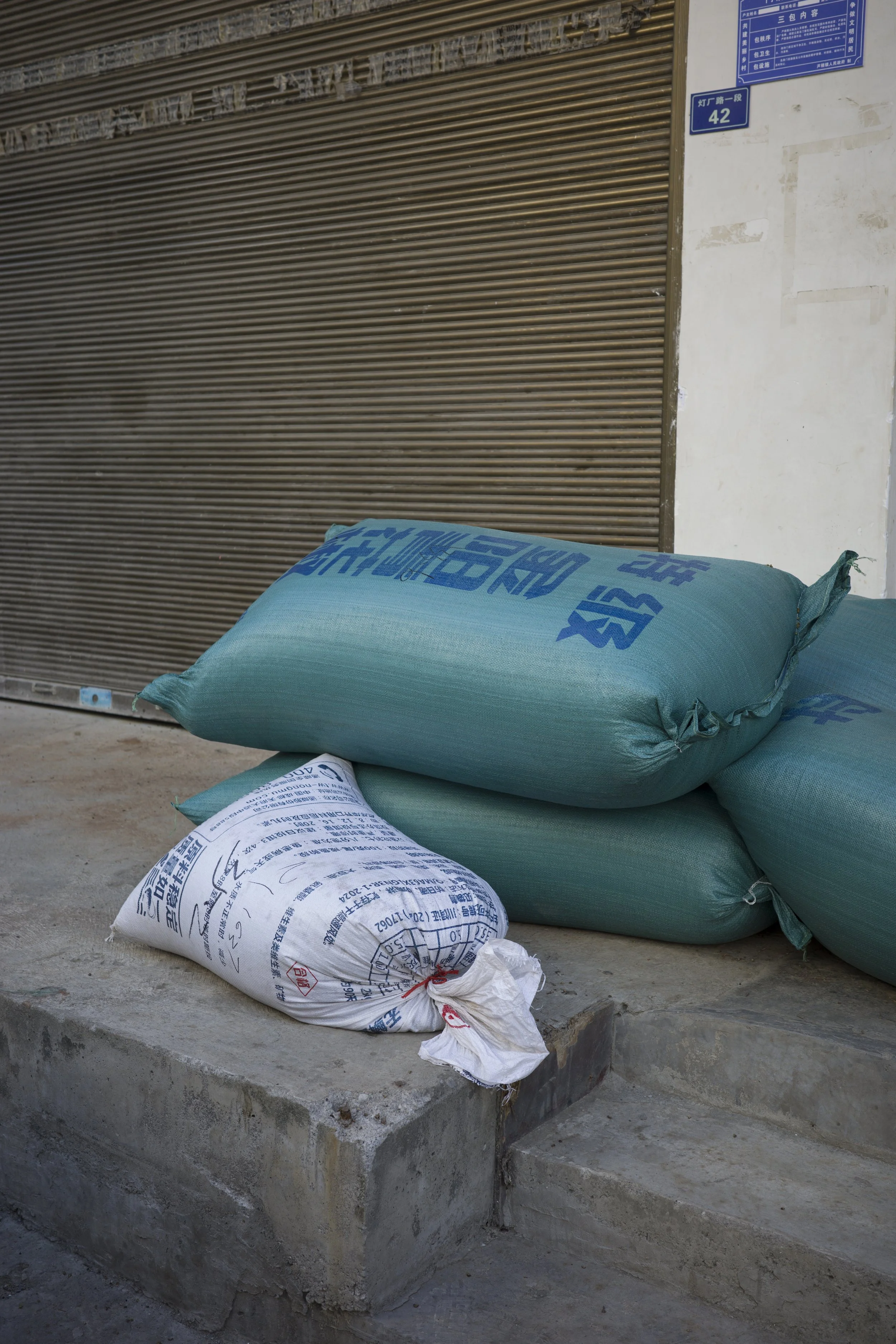
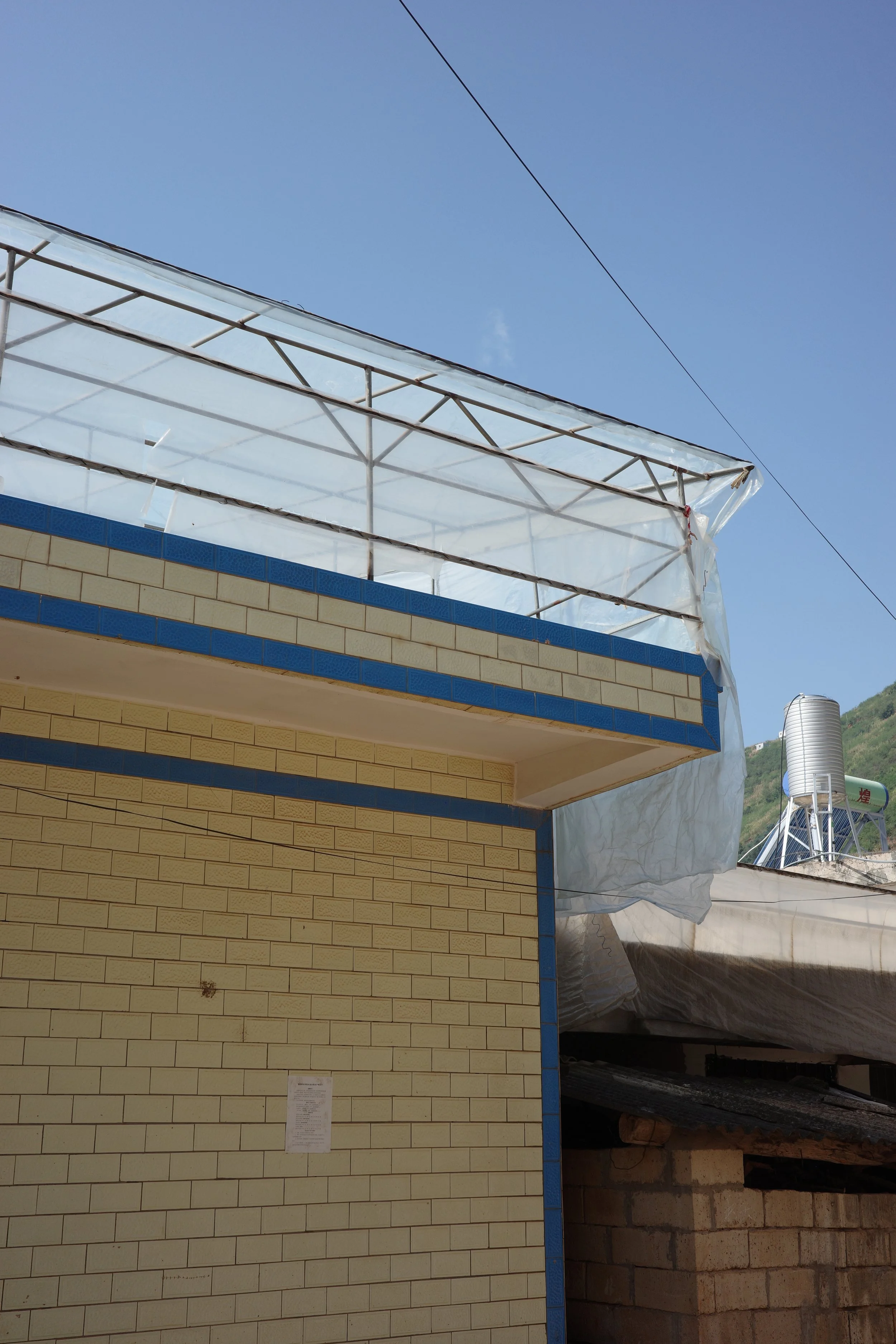
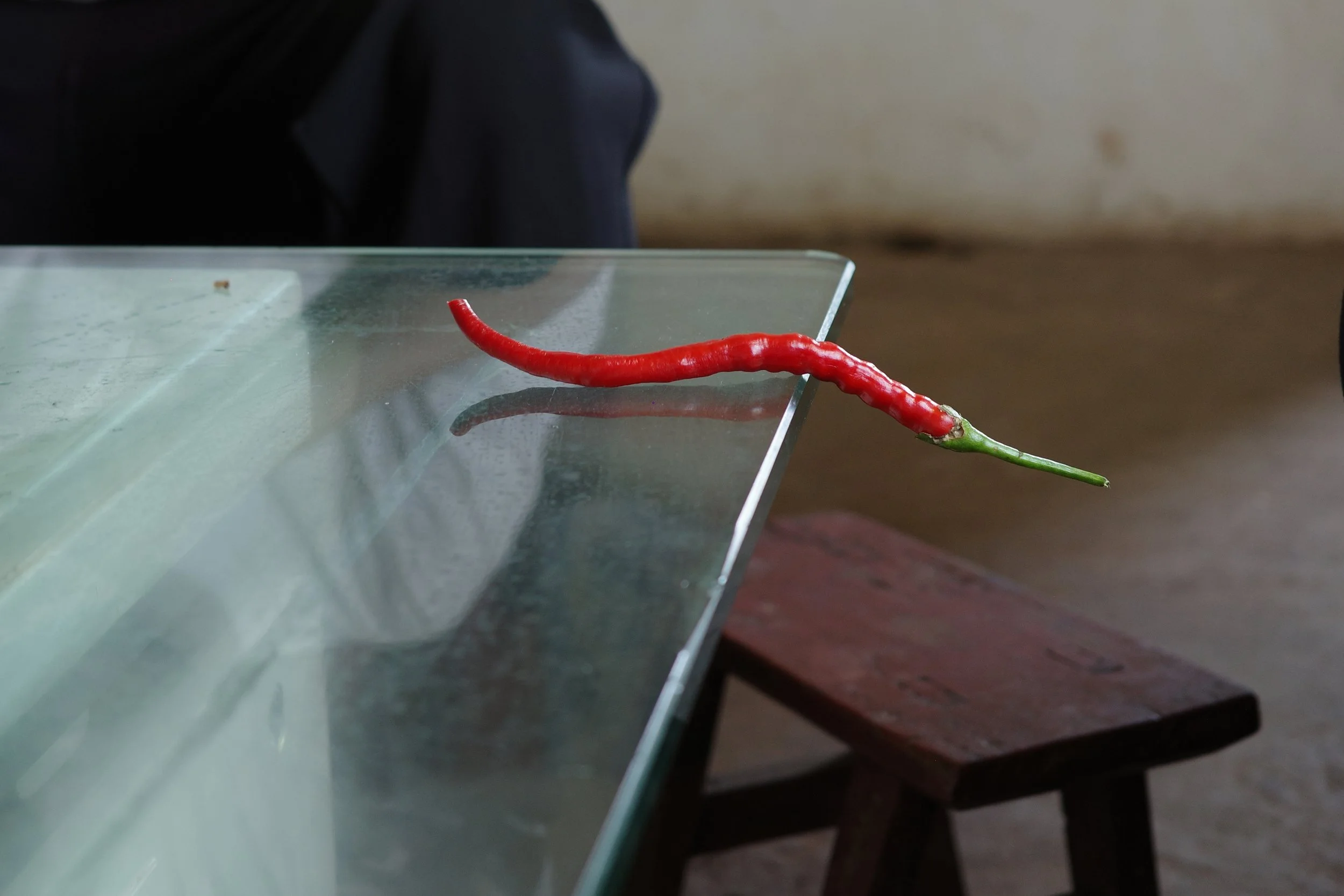
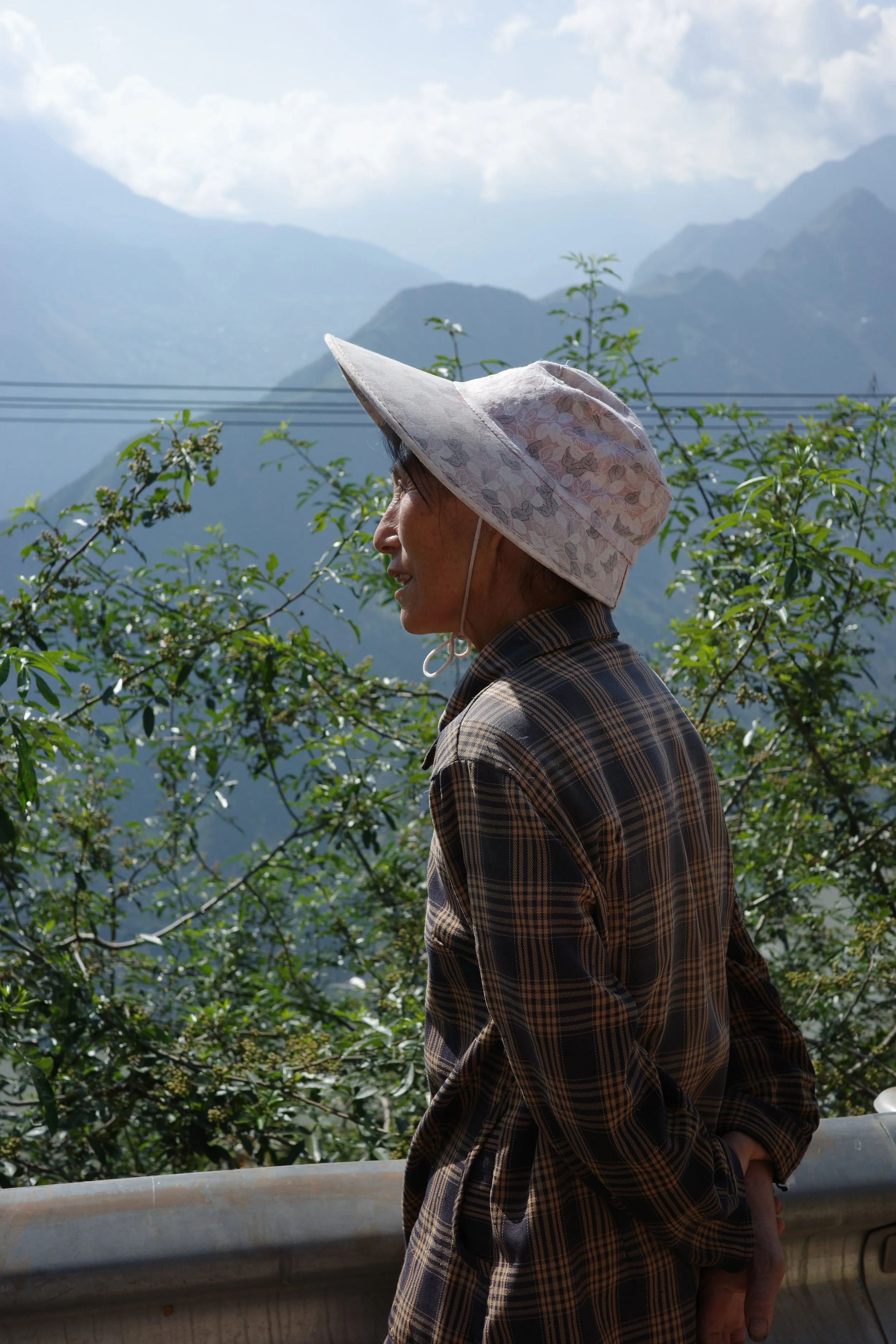
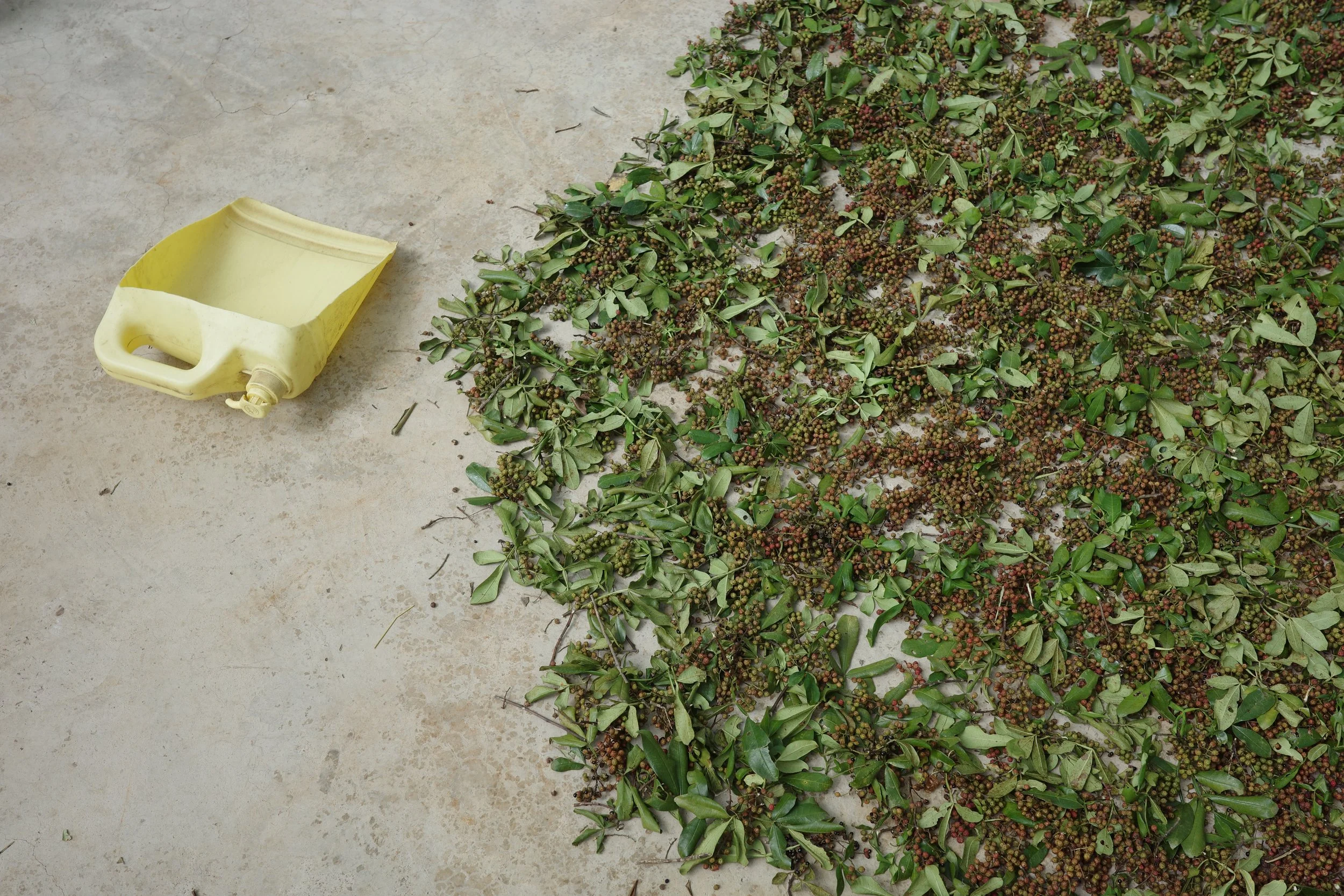
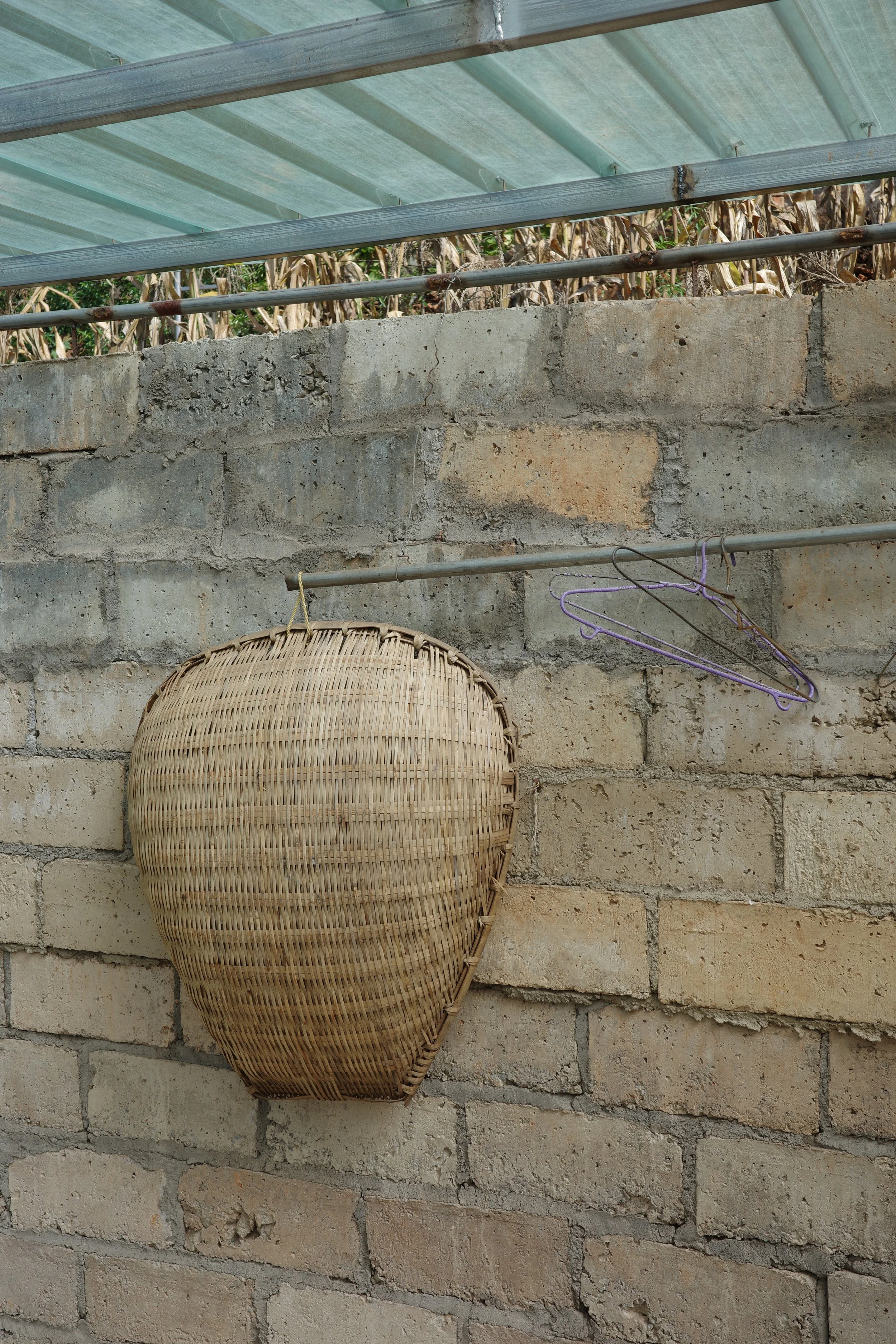
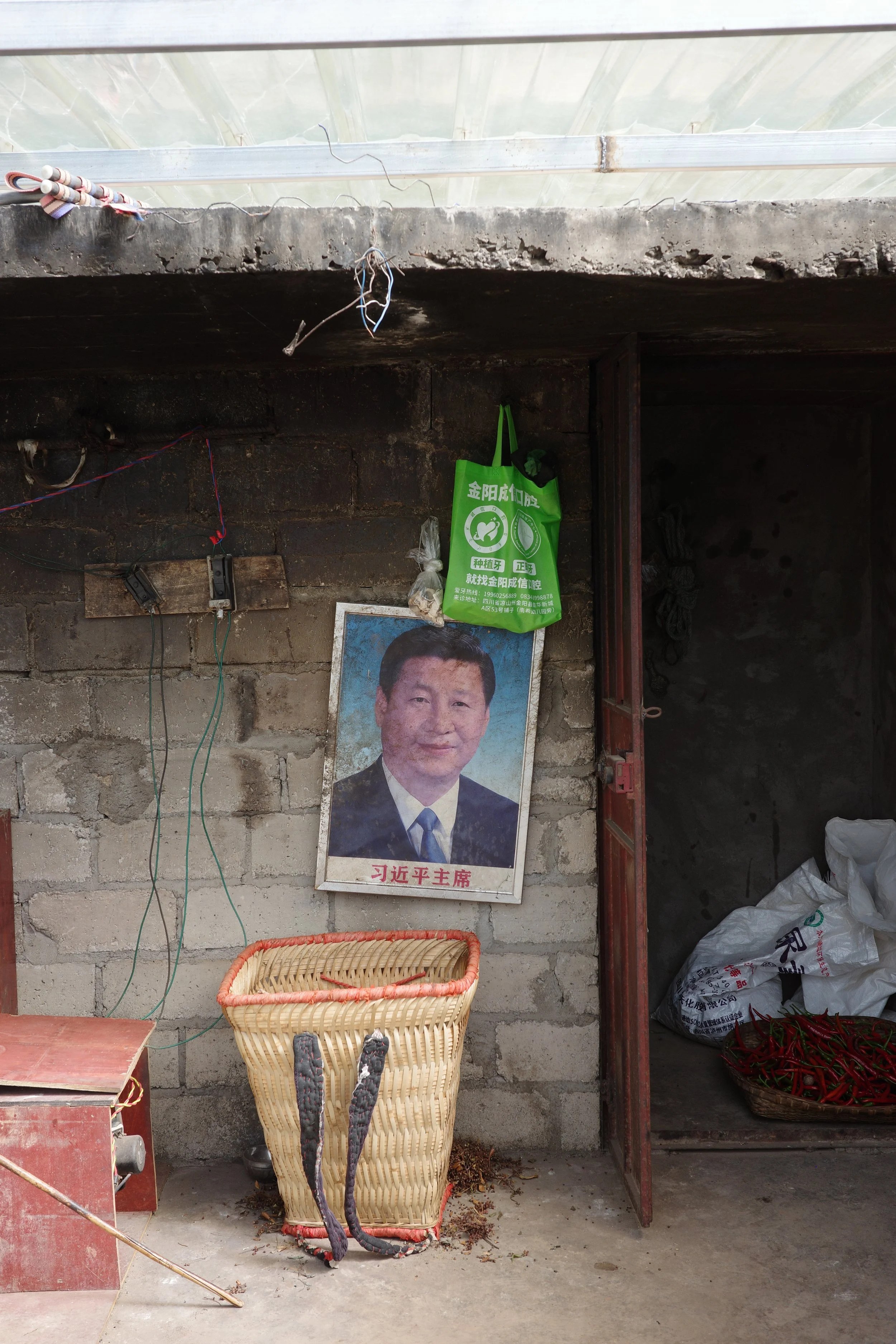
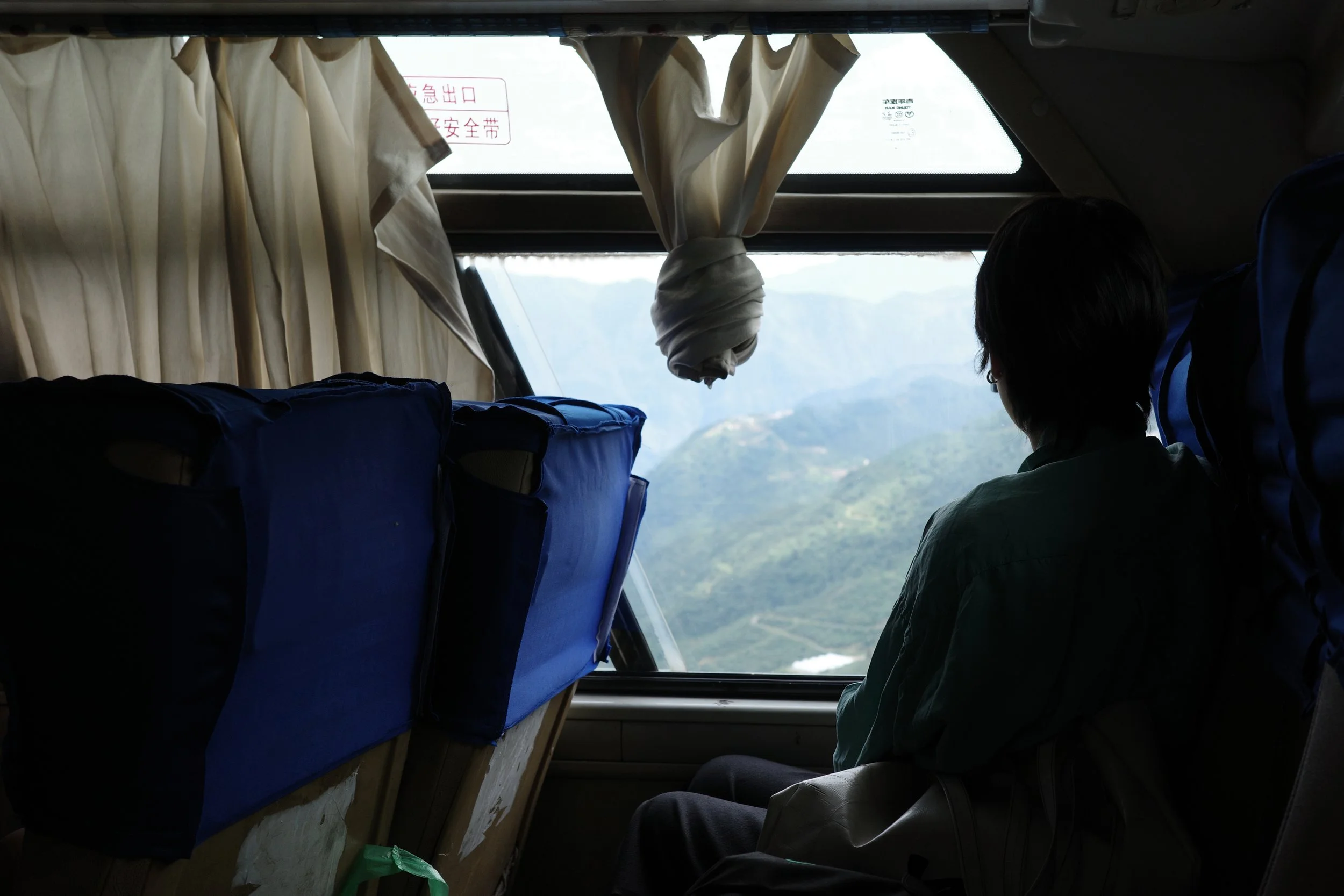
The third and final chapter of this film takes place in 凉山 [Liangshan], in 州金阳县 [Jinyang County]. 金阳 [Jinyang] lies deep in the mountains of Sichuan and has until now remained relatively difficult to access—a situation that is expected to change with the opening of a new expressway by the end of 2026, a little over a year after our visit. This region produces 金阳青花椒 [Jinyang green Sichuan pepper], a variant known for its fresh, citrus-like flavour and lingering numbness. We arrived here under the indications of a Taiwanese self-taught Sichuan pepper scholar who has been exporting 青花椒 [Jgreen Sichuan pepper] he buys from a family of pepper traders. As soon as we arrived we met with his contact, a young merchant of the Yi ethnic group, who had learned the craft from his mother. Jinyang is one of the core Yi counties of the Liangshan mountains, with 79.92% of the registered population belonging to the group. Liangshan Yi generally call themselves ꆈꌠ [Nuosu].
金阳 [Jinyang] was officially classified by the government as one of Sichuan's deep-poverty counties and only exited the official poverty-county list in November 2020. Liangshan underwent large-scale 易地扶贫搬迁 [poverty-alleviation relocation], in which residents of remote mountain settlements are moved into newly constructed concentrated settlements. When we visited Jinyang in 2025, we encountered a place only a few years removed from a particularly intense phase of state-directed spatial and socioeconomic restructuring — involving relocation connected with housing, employment, schooling, infrastructure, community governance and cultural adaptation.
The terrain of Jinyang County is exceptionally steep: roughly 80% of its cultivated land lies on slopes exceeding 25°. As a perennial woody crop, Sichuan pepper can make productive use of sloping land that is less suitable for intensive field cultivation. The Sichuan pepper plantations we visited occupied particularly steep farmland, with significant consequences for labour. Sichuan pepper harvesting is already manual, and steep terrain makes transporting people, fertiliser and harvested pepper difficult. In Jinyang, this has actually prompted experiments with hillside rail transport systems.
We had followed our guide deep into the mountains, to a village where 青花椒 [green Sichuan pepper] growers congregate in a open-air market to sell their harvest. After a unexpected phone call, we were brought to meet the head of the local government. The mayor, who was Han Chinese, had invited us to a Yi feast for lunch. He introduced us to another way of understanding the region’s green Sichuan pepper: as a local industry actively promoted by the government. He told us that 金阳青花椒 [Jinyang green Sichuan pepper] had received EU organic certification that year and could now be exported to Europe. The expressway connecting Jinyang and Xichang was expected to open the following autumn, facilitating this emerging export industry.
Over the course of the lunch, tensions among those at the table began to surface amid conflicting itinerary proposals and constant language switches. The difference in language, cultural codes and positions made it increasingly difficult to understand the political dynamics that darted across the table. It was only on the long-distance bus out of Jinyang that we realised that, amid all the confusion, we had left without a single bag of Sichuan pepper.
Photos by Hannah O’Flynn